
Buying property is a big decision—whether it is a home (residential) or a property for business/commercial purposes. Each has its own set of checks, risks, and rewards. Understanding what to look for helps you reduce surprises, avoid losses, and maximize returns. Let’s dive into the details to help you make a smart, informed decision.
Understanding the Key Differences
Before performing checks, you need to understand how commercial and residential properties differ fundamentally. These differences determine what you should prioritize in your due diligence.
Purpose, Use & Tenant Demographics
Residential property is meant for people to live in: houses, apartments, villas, flats, condos. Tenant concerns are about comfort, safety, amenities, local environment, proximity to schools, etc.
Commercial property includes offices, retail shops, warehouses, factories, malls, or mixed‑use buildings. The tenants are businesses, each with specific requirements (footfall, visibility, signage, infrastructure, parking, loading/unloading, etc.).
Why this matters: what is acceptable or desirable in a residential location may not suit a retail business or office. The usage pattern affects everything from wear & tear to regulatory compliance and infrastructure.
Lease Terms & Income / Rental Yield
Residential leases are generally shorter term (often 6‑12 months or 1 year), with higher tenant turnover. Tenants often expect the building to be maintained to a certain standard with amenities.
Commercial leases tend to be longer term (3–10 years or more), sometimes with renewal options built in. This reduces turnover risk but increases negotiation complexity.
Commercial properties often offer higher rental yield (percentage return on investment via rental income) compared to residential, but also come with potentially higher vacancy risk if businesses move out.
Risk Profile & Market Sensitivity
Residential properties often have stable demand, because people always need homes. They are less exposed to large swings in economic cycles.
Commercial properties are more sensitive to economic downturns: if businesses struggle, retail shops or offices may shut, causing vacancies. Also exposure to business cycles, market trends, zoning/regulation changes.
Understanding risk tolerance is critical: commercial offers higher possible returns, but also higher potential downside.
Legal, Regulatory & Zoning Considerations
One of the most important areas to check, especially differences between residential and commercial, involves legal, regulatory, and zoning issues.
Zoning Laws & Land Use Permissions
Is the property zoned correctly for its intended use? A commercial property must be in a commercial or mixed‑use zone. Residential zones may not permit signage, retail operations, high traffic, etc.
Local land use permissions / master plans: whether changes in municipal boundaries or development plans may affect whether you can convert use or expand.
Check whether there are restrictions from environmental or heritage laws.
Building Codes, Permits, Safety & Compliance
Commercial properties often must comply with stricter building codes (fire safety, accessibility, HVAC, signage, parking, loading zones, elevators etc.). Residential properties also subject to codes (plumbing, structural, electrical), but generally less demanding.
Permits: For commercial use you may need more permits (business license, signage permit, occupancy certificate etc). For residential, you need building permit, occupancy certificate etc.
Environmental Regulations & Restrictions
Environmental Impact Assessments (if property is large, or near protected zones).
Pollution, waste disposal, noise ordinances: commercial may produce more noise, waste, traffic. Local environmental laws may restrict certain types of business activities in particular locations.
Check for contamination: old factories, industrial use nearby may have soil or groundwater contamination, which may require remediation.
Financial & Investment Metrics to Compare
The financial side often tips the balance—what you pay, how much income you get, how risk vs return looks over time.
Financing / Loan‑to‑Value & Interest Rates
Lenders often require lower Loan‑to‑Value (LTV) ratios for commercial properties, and higher down payments. Residential mortgages are more accessible, sometimes with LTVs of 80‑90% or higher depending on the country. Commercial loans tend to have more stringent criteria. TheLuxuryEstates+1
Interest rates: commercial property financing usually comes with higher rates, shorter amortization periods. Residential mortgages often have more favorable terms, longer repayment period.
Valuation Methods (Comparables vs Income Approach)
Residential properties are often valued via comparable sales (what similar houses/flats in that area sold for), per square foot/rate, locality amenities, etc.
Commercial properties more often use income approach: Net Operating Income (NOI), cap rate (capitalization rate), projected cash flows, tenancy agreements etc. You assess rental income, operating expenses, occupancy rates to determine value.
Tax Implications & Maintenance Costs
Taxes: Property taxes, income tax treatment of rental income, depreciation, incentives/subsidies differ for commercial vs residential. Some jurisdictions treat rental income from commercial property differently, allow different depreciation schedules, allowances, deductions.
Maintenance costs: Commercial properties often have more complex systems (HVAC, elevators, large façades, parking areas, security, higher foot traffic) which demand more upkeep. Residential may require less intensive maintenance, but tenant turnover can add frequent re‑repairs.
Location, Accessibility & Infrastructure Checks
Where the property sits, and what surrounds it, often makes or breaks its utility and future value.
Connectivity & Transportation Access
For residential property, proximity to schools, hospitals, public transport, shopping, commuting time are prime.
For commercial property, visibility (from major roads), ease of access for customers or suppliers, loading/unloading access, parking space, pedestrian flow etc are critical.
Neighborhood / Area Growth & Amenities
For residential: quality of local amenities, social infrastructure, neighborhood safety, environment, green space.
For commercial: business catchment area, demographics of buyers or users, complementary businesses, planned infrastructure (roads, utilities, internet bandwidth).
Utilities, Services & Maintenance Requirements
Is the property well served by water supply, electricity, internet, sewer, drainage, waste collection? For commercial, you may need higher capacity services.
For residential, basic services plus comfort features are important (cooling/heating, parking, landscaping, civic amenities).
Due Diligence & Physical Condition Assessment
Beyond the paperwork and surroundings, check the property itself carefully.
Structural Condition, Layout & Suitability
Inspect the physical build: foundation, roofing, plumbing, electrical systems, flooring, walls, windows. Commercial properties often have more wear and tear, or may need fit‑outs by tenants.
Layout: Is the floor plan suitable for your intended use? For commercial, is there space for lobby, display, storage, staff areas etc. For residential, sufficient bedrooms, bathrooms, privacy, natural light etc.
Parking, Accessibility & Visibility (For Commercial)
Parking capacity, traffic flow, ingress/egress is more important for commercial. The easier customers or clients can access the property, the better.
Visibility: frontage to major roads, signage potential, signage regulations.
Future Expansion or Adaptability
Can the property be adapted in future? Could you expand square footage, change internal layout, convert usage if zoning permits?
Is there room for modernization or technological upgrades?
Tenant, Lease & Operational Considerations
If you are investing (or leasing out), understanding tenants and operation is vital
Length & Stability of Leases
Commercial leases tend to be longer and more stable (multi‑year), which provides predictability, but may include clauses related to rent escalation, maintenance, etc.
Residential leases are often shorter, more frequent negotiation or renewal, possible vacancy in between.
Tenant Quality, Turnover & Business Risk
For commercial: tenant’s business type, creditworthiness, history, risk of business failure, dependence on footfall or market cycles. A good tenant with strong business is less likely to default.
For residential: tenants’ ability to pay rent, their habits, maintenance of property, frequency of moving out, etc.
Operational Expenses & Management Intensity
Commercial property may require dedicated property management, security, cleaning, common area maintenance, compliance checks etc. These can add up.
Residential may require less operational intensity but may have frequent small maintenance tasks and tenant relations.
Exit Strategy, Liquidity & Appreciation Potential
When you buy, you should think not just about income now but how you will exit and what long‑term value looks like.
Resale Market & Buyer Demand
Residential properties tend to be more liquid: more potential buyers, more demand for living spaces. Thus resale may be easier.
Commercial properties are often less liquid; the pool of buyers is smaller (investors, businesses), so selling may take longer.
Property Appreciation Trends
Residential property value growth often depends on neighborhood development, infrastructure, demand for housing in that area. Appreciation may be steadier, though possibly slower.
Commercial property may appreciate faster in booming business districts, but equally may suffer in downturns or if business demand shifts.
Liquidity & Holding Period
Commercial investments may require longer holding periods to realize gains due to larger value, longer lease commitments.
Residential may allow shorter holding periods or the ability to exit faster if the market is active.
Pros & Cons: Commercial vs Residential — Which Suits Your Goals
Here’s a summarized compare‑and‑contrast to help you match what might work for you.
| Aspect | Commercial Property | Residential Property |
|---|---|---|
| Rental Yield / Income Potential | Higher (with risk) | Lower but more stable |
| Lease Term Length | Long term — multi‑year | Shorter term — often yearly |
| Initial Investment / Capital Requirement | Large upfront costs, stricter financing | Lower entry barrier, easier financing |
| Risk Exposure | Exposed to business cycles, vacancies, economic volatility | More immune to business cycles; stable housing demand |
| Management Complexity | High — specialized maintenance, tenant mix, compliance | Lower — more straightforward maintenance, tenant issues |
| Liquidity / Exit | Less liquid, longer time to sell or exit | More liquid, broader buyer market |
| Legal and Regulatory Complexity | More complex (zoning, permits, environmental laws) | Simpler but still requires compliance with housing laws, safety etc. |
| Suitability to Investor Type | Better for experienced investors, businesses or institutional investors | Accessible for smaller investors, first‑time buyers, home‑users |
Practical Checklist Summary Before You Buy
To wrap up, here is a checklist you can use when comparing any commercial vs residential property purchase:
Define Purpose & Goals
Investment income, capital appreciation, owner‑occupied, lease‑back, etc.
Legal / Title & Zoning Verification
Clear title, ownership history, encumbrances
Zoning compliance for intended use
Usage & Tenant Constraints
For commercial: permitted uses, signage, business operating hours, signage restrictions
For residential: occupancy limits, tenant laws
Financial Projections
Estimate income, expenses, returns, financing cost
Check lease terms (rent escalation, vacancy risk, operating costs)
Structural & Physical Inspection
Building condition, roof, foundation, plumbing, wiring
Safety, fire compliance, accessibility
Location & Amenity Factors
Access, visibility, surroundings, connectivity, neighborhood profile
Infrastructure / Utilities
Water supply, power, sewage, internet, parking
Risk Analysis
Economic risks, business risk, tenant risks, regulatory risk
Exit Strategy
Prospect for resale, buyer demand, real estate market cycles
Professional Advice & Documentation
Lawyer, property inspector, architect, local authority approvals in writing
Conclusion
Whether you are buying commercial or residential property, doing the right checks beforehand can make a huge difference in outcome. Commercial properties generally offer higher yields and longer leases, but with greater risk, complexity, and capital requirement. Residential properties tend to be more stable, easier to finance, and more accessible, but may offer lower returns and more frequent maintenance and tenant turnover.
Align your purchase choice with your financial capacity, investment horizon, risk tolerance, and management willingness. Use the checklist above to guide your due diligence, and always consult with qualified professionals (lawyers, surveyors, financial advisors) in your jurisdiction. With the right preparation, you can make a sound investment that serves you well over the years.
Nature’s Paradise by Rupbasuda Developers — “Ready to Move” Plots



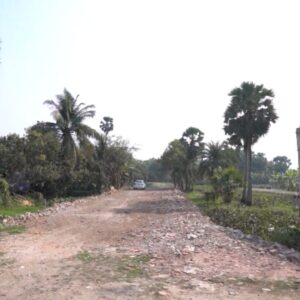
After covering what to check, here is detailed, well‑organized information about Nature’s Paradise, a township project by Rupbasuda Developers, to help you evaluate whether it meets those criteria and whether it might be a good option for you or others.
Project Overview
| Feature | Details |
| Project Name | Nature’s Paradise |
| Developer | Rupbasuda Developers |
| Location | Khariberia, Bhasa, Joka, Kolkata |
| Highway / Road | Along Diamond Harbour Road, National Highway 117 |
| Distance from Joka Metro | Approx 2.6 km |
| Time from Swaminarayan Temple | About 7 minutes |
| Nearby Landmark | Beside Palm Village Resort |
Plot Size, Type & Pricing
| Parameter | Details |
| Spread of Project | ~ 350 bighas of land area |
| Minimum Plot Size | 2 katha minimum purchase |
| Other Sizes Available | 3 katha, 5 katha, and more; no fixed maximum limit specified |
| Types of Plots | Premium & non‑premium; Residential & Commercial |
| Price Range | ₹1,30,000 (1 lakh 30 thousand rupees) up to ₹4,00,000 (4 lakh rupees) depending on plot size, location, type etc. |
Amenities & Infrastructure
| Amenity / Infrastructure | Present or Planned |
| Plot Status | Ready to move plots – so basic land preparation is done |
| Roads | Internal by‑roads of 25 ft & 20 ft; the approach roads being/will be four‑lane |
| Water supply | 24×7 water supply planned / provided |
| Electricity | Electricity connection available / planned |
| Drainage / Sewage | Proper drainage system in place or planned |
| Community & Recreational Facilities | Gymnasium, Clubhouse, Lake, Kindergarten School, Saraswati Temple |
| Transport | 24×7 transportation; metro station planned by end of 2028; nearby railway station etc. |
| Nearby Essential Facilities | Hospitals, Vegetable Market, Shopping Malls, Schools, Colleges just minutes away |
Location Advantages & Growth Potential
- Close proximity (2.6 km) to Joka Metro adds value and future ease of commute.
- Diamond Harbour Road (NH‑117) is a major route; improved highways/roads often lead to value appreciation.
- Many well‑known apartment projects in the vicinity (Emami Astha, Godrej Seven Elevate, Gems Bouganvilla, DTC Sojan, Eden Amantran, Solaris, Rajat by Avante etc.), often priced in crores, which suggests the area is already drawing premium development.
Payment & Booking Terms
| Parameter | Details |
| Booking Token Amount | ₹11,000 required as token booking amount |
| Payment Options | 36 months 0% interest EMI available |
| Developer / Agent | Dedicated Real Estate, with office near Thakurpukur 3A Bus Stand, Kolkata |
Potential Pros & Things to Check
Pros:
- Affordable entry point for middle class — both residential and commercial plots in the stated price range.
- Ready to move status reduces waiting time; some infrastructure already in place.
- Strong potential for appreciation because of upcoming metro, highway road works, location.
- Amenities are planned; community features suggest a self‑contained township rather than isolated plots.
Things you should still verify (using the checklist above):
- Confirm zoning status and whether NA conversion (if needed) has been done.
- Check encumbrance certificate to ensure clear title.
- Ensure all NOCs, permissions, layout plan approvals are legal and in order.
- Physical ground check: slope, drainage, whether land is flood‑prone.
- Exact road access: condition of roads, whether approach to your plot is via public road.
- Surrounding environment: whether neighbouring plots are being developed, quality, types of constructions.
- Utility access and readiness: water, electricity, sewage.
- Confirm any government notifications/plans that may require surrendering land or affect use.
Why This Might Be The Best Time to Buy
- With metro station planned by end of 2028, road improvements, and area being developed, plots may gain significant capital appreciation.
- Since many high‑end projects in the area are already valued in crores, a plot bought now at a few lakh rupees can deliver large value growth in coming years.
- Entry‑level price and flexible payment (0% EMI over 36 months) reduces the financial burden and risk.
How to Proceed (if Interested)
- Arrange a site visit to Nature’s Paradise. Survey multiple plots; compare premium vs non‑premium.
- Bring along a legal expert to verify documents.
- Ask developer / Dedicated Real Estate for copies of title deed, NA conversion (if applicable), EC, layout plan, approved plan, NOCs etc.
- Check the condition of internal roads, availability of utilities.
- Discuss payment schedule, any additional charges.
Contact Details
Dedicated Real Estate
- Phone: +91 6291422636
- Email: info@dedicatedrealestate.in
- Website: www.dedicatedrealestate.in
Office Location: Near Thakurpukur 3A Bus Stand, Kolkata