

Buying your first home is a major milestone: exciting, empowering—but also full of important decisions, financial commitments and potential pitfalls. Whether you’re stepping into homeownership for the first time in India (or elsewhere) or simply looking for a structured guide, this article outlines seven essential steps you need to take to increase your chances of success. We’ll cover everything from financial readiness to closing the deal, with clear headings so you can follow along and tick off each stage.
Step 1 – Assess Your Financial Readiness
1.1 Examine your credit score and debt‑to‑income ratio
Before you even start looking at listings, it’s crucial to check your financial health. Lenders around the world look at your credit history, outstanding debts and income stability when deciding whether to offer you a mortgage, and on what terms.
For example, one well‑regarded guide notes:
“The first step … is to know your credit scores.”
And another:
“Look at your cash flow … you’ll want to check your credit score, which will affect the interest rate on your mortgage.”
1.2 Create a realistic budget: down payment, closing costs, ongoing expenses
Once you have a sense of your credit and debt situation, you need a realistic budget. That means more than just the purchase price of the home. You should factor in:
Down payment (often 10 %‑20 % or more, depending on where you live)
Closing costs, legal fees, stamp duty (depending on your country/region)
Ongoing homeownership costs: property taxes, maintenance, insurance, utilities, possible homeowners association (HOA) fees
Without accounting for all of these, many first‑time buyers find themselves financially stretched or caught off guard.
1.3 Set aside an emergency fund and prepare for surprises
Homeownership comes with responsibilities and often unexpected expenses—leaky roofs, plumbing issues, appliance breakdowns. Before committing, ensure you have a safety cushion (3‑6 months of expenses or more) in place so that your mortgage doesn’t become a burden if an unexpected cost pops up. Many guides stress this step.
Step 2 – Explore Mortgage & Financing Options
2.1 Understand the types of home loans and what you qualify for
Different loan products exist: fixed‑rate mortgages, adjustable‑rate mortgages (ARMs), government‑backed loans, etc. It’s important to compare terms, eligibility criteria, interest rates and fees.
For instance:
“After understanding the mortgage options available to you…”
2.2 Get pre‑approved / pre‑qualified
One of the most critical steps: getting a mortgage pre‑approval or pre‑qualification lets you know how much you can borrow and signals to sellers that you are a serious buyer. Many lists of steps for first‑time buyers include this early.
2.3 Compare lenders, interest rates & terms
Don’t accept the first loan offer you get. Compare several lenders (banks, non‑bank lenders) for rates, terms, fees. A small difference in interest rate over 20‑30 years can add up to large sums. Also check for hidden fees, pre‑payment penalties, and other conditions.
Step 3 – Define Your Needs & Research the Property Market
3.1 Make a “Must‑have vs. Nice‑to‑have” list
When you begin house‑hunting, clarity helps. List out your “must‑haves” (e.g., number of bedrooms, proximity to school/work, neighbourhood safety) vs. “nice‑to‑haves” (garden, swimming pool, high‑end finishes). This gives you direction and helps avoid impulse decisions.
3.2 Research neighbourhoods and future growth potential
Look at areas you like, visit them at different times of day, check commute, schools, amenities, access to public transport. Also investigate future infrastructure or development plans—these can affect the long‑term value of your home.
3.3 Monitor market trends and comparable property pricing
Understand what similar properties sell for in your target area. This ensures you don’t overpay and helps in negotiating later. One guide recommends checking “what price similar houses have been selling for in the area”. First Internet Bank
Step 4 – Start House Hunting & Select Your Home
4.1 Use your budget and wish list as filters
With your budget set and your list of priorities defined, begin looking at properties that match. Don’t let your emotions outpace your financial readiness.
4.2 Visit multiple homes, compare and contrast
See a variety of properties. Visit them at different times of day. Talk to neighbours if possible. One guide suggests this for first‑time buyers:
“If you found a home you really could see yourself living in … talk to your future neighbours.”
4.3 Evaluate condition, inspection needs, renovation potential
Even if the home looks good, check for issues: structural, plumbing, wiring, roof, pest infestation. Factor in what repairs or upgrades may cost. Sometimes a cheaper home with higher repair needs ends up costing you more in time, stress and money.
4.4 Make the offer and negotiate terms
Once you identify a home you like, it’s time to submit an offer. Your agent (if you have one) can guide how competitive the offer needs to be, what contingencies to include (e.g., “subject to inspection”), and what closing timeline works. Negotiation is key.
Step 5 – Due Diligence, Legal Checks & Closing Preparation
5.1 Conduct title search, verify approvals & compliance
Especially in many markets (including India), you must check that the property has clean title, necessary approvals (building approval, occupancy certificate, environmental clearance etc.). For new developments, check the builder’s track record.
5.2 Home inspection, appraisal and lender requirements
If you’re borrowing, the lender typically orders appraisal or valuation to ensure the property’s value supports the loan. You should also commission your inspection to uncover hidden problems. The appraisal protects the lender; the inspection protects you.
5.3 Finalise loan, review settlement documents, prepare for closing
Final loan underwriting may require extra documentation (income verification, tax returns, job stability). At closing you’ll review the purchase agreement, loan documents, insurance, escrow, closing costs. Make sure you understand every cost and figure. Many first‑time buyers skip this review and regret it.
5.4 Budget for closing costs & move‑in expenses
Don’t forget that closing day brings costs—legal/registration fees, stamp duty, moving costs, initial renovations or furnishings. Some guides estimate these costs at 2‑5% of the purchase price.
Step 6 – Move In & Manage Homeownership Responsibly
6.1 Change utilities, update address, secure your home
Once the deal is closed and the keys are yours, the practical side begins: setting up utilities, internet, security systems, change of address, home insurance, etc.
6.2 Create a maintenance plan & budget for ongoing costs
Owning a home is more than paying the mortgage. You’ll need to budget for property taxes (where applicable), insurance, periodic maintenance (AC service, roof inspection, landscaping), and maybe homeowners association (HOA) fees. Not budgeting for this is a common first‑time mistake.
6.3 Build equity and think long‑term value
Unlike renting, buying a home should make you think of long‑term value: location, neighborhood stability, resale potential, upgrades that add value. Even if you plan to live there long‑term, keeping an eye on value is wise.
Step 7 – Review & Reassess: Long‑Term Strategy for Your Home Investment
7.1 Revisit your budget annually and adjust as needed
Homeowners change: income changes, family grows, needs evolve. Each year, review your expenditures, property tax changes, neighborhood trends, and upgrade or refinance if beneficial.
7.2 Consider refinancing or upgrading when the time is right
If interest rates drop substantially or your home value grows, refinancing may make sense. Or if your family size changes, moving or upgrading can be reassessed using much of the same framework you used for your first purchase.
7.3 Keep documentation and property history organised
Maintain records of major capital improvements, home inspection reports, warranties for appliances/structure. This helps with future resale or refinancing and protects you in case of disputes.
7.4 Celebrate the milestone — and enjoy the home
Purchasing your first home is a big life achievement. Beyond the financial/technical steps, don’t forget to celebrate, personalise your space and make it your own. After all the planning and effort, enjoy the day‑to‑day living.
Bonus: Common Pitfalls First‑Time Buyers Should Avoid
A. Over‑stretching financially
Just because you’re approved for a large mortgage doesn’t mean you can afford it comfortably. Some experts say your monthly housing cost should remain a manageable portion of your income so lifestyle, savings and emergency funds don’t suffer.
B. Neglecting hidden/homeownership costs
Many first‑time buyers forget to factor in maintenance, insurance, property taxes, rising utility costs, homeowners association (HOA) fees etc. Over time these add up.
C. Skipping inspection or due diligence
Buying a home without inspection or skipping title/approval checks is a big risk. It can lead to major unexpected costs or legal headaches.
D. Letting emotion override logic
It’s easy to fall in love with a home, but decisions should be grounded in budget, condition, neighbourhood and long‑term value. One guide states that buying before fully understanding finances is a common mistake.
Nature’s Paradise by Rupbasuda Developers — “Ready to Move” Plots

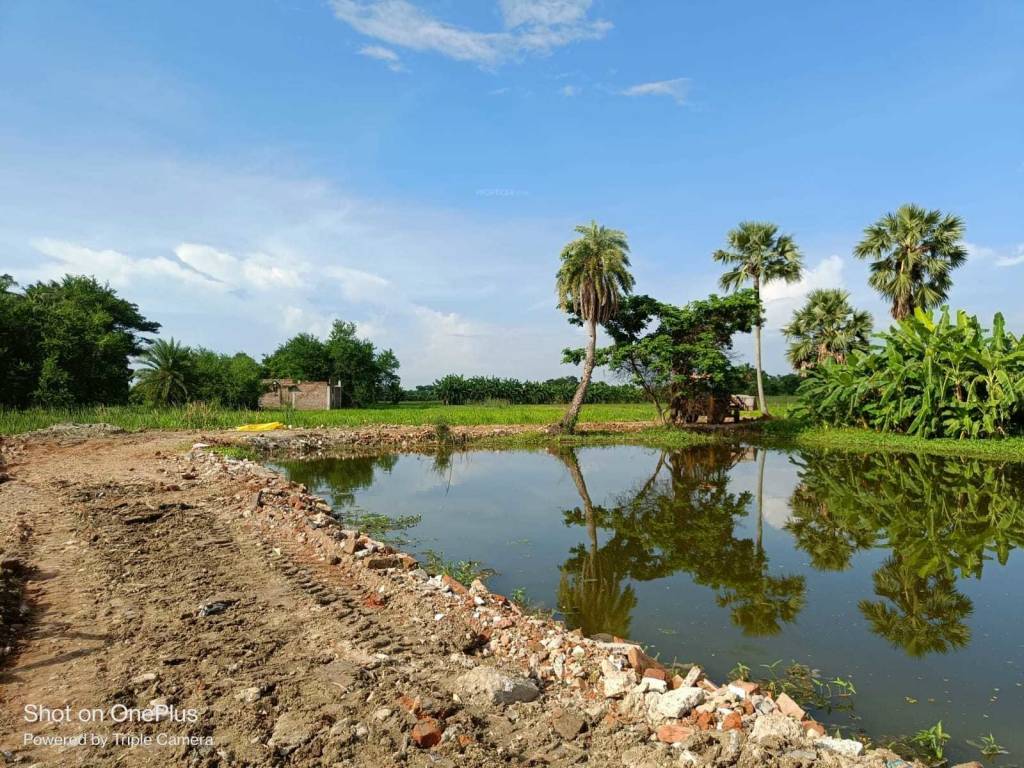

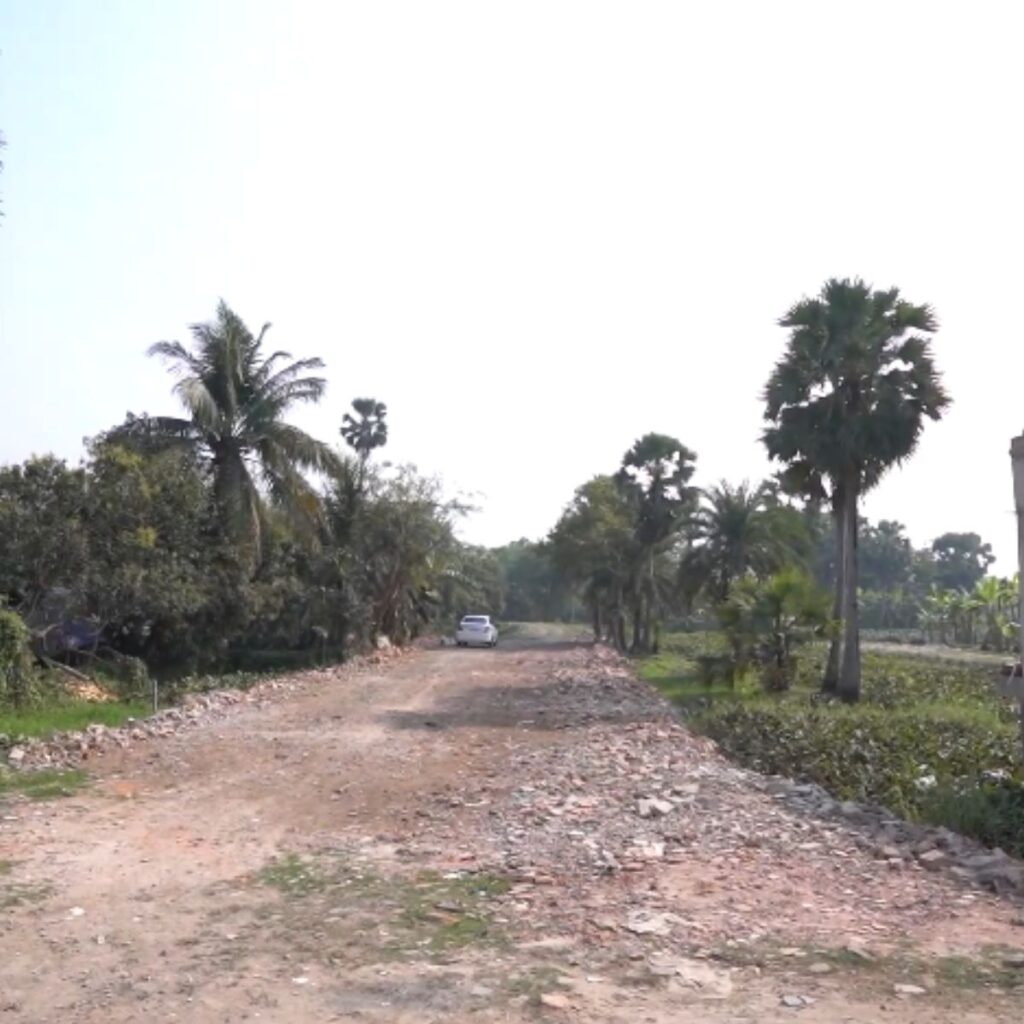
After covering what to check, here is detailed, well‑organized information about Nature’s Paradise, a township project by Rupbasuda Developers, to help you evaluate whether it meets those criteria and whether it might be a good option for you or others.
Project Overview
| Feature | Details |
| Project Name | Nature’s Paradise |
| Developer | Rupbasuda Developers |
| Location | Khariberia, Bhasa, Joka, Kolkata |
| Highway / Road | Along Diamond Harbour Road, National Highway 117 |
| Distance from Joka Metro | Approx 2.6 km |
| Time from Swaminarayan Temple | About 7 minutes |
| Nearby Landmark | Beside Palm Village Resort |
Plot Size, Type & Pricing
| Parameter | Details |
| Spread of Project | ~ 350 bighas of land area |
| Minimum Plot Size | 2 katha minimum purchase |
| Other Sizes Available | 3 katha, 5 katha, and more; no fixed maximum limit specified |
| Types of Plots | Premium & non‑premium; Residential & Commercial |
| Price Range | ₹1,30,000 (1 lakh 30 thousand rupees) up to ₹4,00,000 (4 lakh rupees) depending on plot size, location, type etc. |
Amenities & Infrastructure
| Amenity / Infrastructure | Present or Planned |
| Plot Status | Ready to move plots – so basic land preparation is done |
| Roads | Internal by‑roads of 25 ft & 20 ft; the approach roads being/will be four‑lane |
| Water supply | 24×7 water supply planned / provided |
| Electricity | Electricity connection available / planned |
| Drainage / Sewage | Proper drainage system in place or planned |
| Community & Recreational Facilities | Gymnasium, Clubhouse, Lake, Kindergarten School, Saraswati Temple |
| Transport | 24×7 transportation; metro station planned by end of 2028; nearby railway station etc. |
| Nearby Essential Facilities | Hospitals, Vegetable Market, Shopping Malls, Schools, Colleges just minutes away |
Location Advantages & Growth Potential
- Close proximity (2.6 km) to Joka Metro adds value and future ease of commute.
- Diamond Harbour Road (NH‑117) is a major route; improved highways/roads often lead to value appreciation.
- Many well‑known apartment projects in the vicinity (Emami Astha, Godrej Seven Elevate, Gems Bouganvilla, DTC Sojan, Eden Amantran, Solaris, Rajat by Avante etc.), often priced in crores, which suggests the area is already drawing premium development.
Payment & Booking Terms
| Parameter | Details |
| Booking Token Amount | ₹11,000 required as token booking amount |
| Payment Options | 36 months 0% interest EMI available |
| Developer / Agent | Dedicated Real Estate, with office near Thakurpukur 3A Bus Stand, Kolkata |
Potential Pros & Things to Check
Pros:
- Affordable entry point for middle class — both residential and commercial plots in the stated price range.
- Ready to move status reduces waiting time; some infrastructure already in place.
- Strong potential for appreciation because of upcoming metro, highway road works, location.
- Amenities are planned; community features suggest a self‑contained township rather than isolated plots.
Things you should still verify (using the checklist above):
- Confirm zoning status and whether NA conversion (if needed) has been done.
- Check encumbrance certificate to ensure clear title.
- Ensure all NOCs, permissions, layout plan approvals are legal and in order.
- Physical ground check: slope, drainage, whether land is flood‑prone.
- Exact road access: condition of roads, whether approach to your plot is via public road.
- Surrounding environment: whether neighbouring plots are being developed, quality, types of constructions.
- Utility access and readiness: water, electricity, sewage.
- Confirm any government notifications/plans that may require surrendering land or affect use.
Why This Might Be The Best Time to Buy
- With metro station planned by end of 2028, road improvements, and area being developed, plots may gain significant capital appreciation.
- Since many high‑end projects in the area are already valued in crores, a plot bought now at a few lakh rupees can deliver large value growth in coming years.
- Entry‑level price and flexible payment (0% EMI over 36 months) reduces the financial burden and risk.
How to Proceed (if Interested)
- Arrange a site visit to Nature’s Paradise. Survey multiple plots; compare premium vs non‑premium.
- Bring along a legal expert to verify documents.
- Ask developer / Dedicated Real Estate for copies of title deed, NA conversion (if applicable), EC, layout plan, approved plan, NOCs etc.
- Check the condition of internal roads, availability of utilities.
- Discuss payment schedule, any additional charges.
Contact Details
Dedicated Real Estate
- Phone: +91 6291422636
- Email: info@dedicatedrealestate.in
- Website: www.dedicatedrealestate.in
Office Location: Near Thakurpukur 3A Bus Stand, Kolkata