
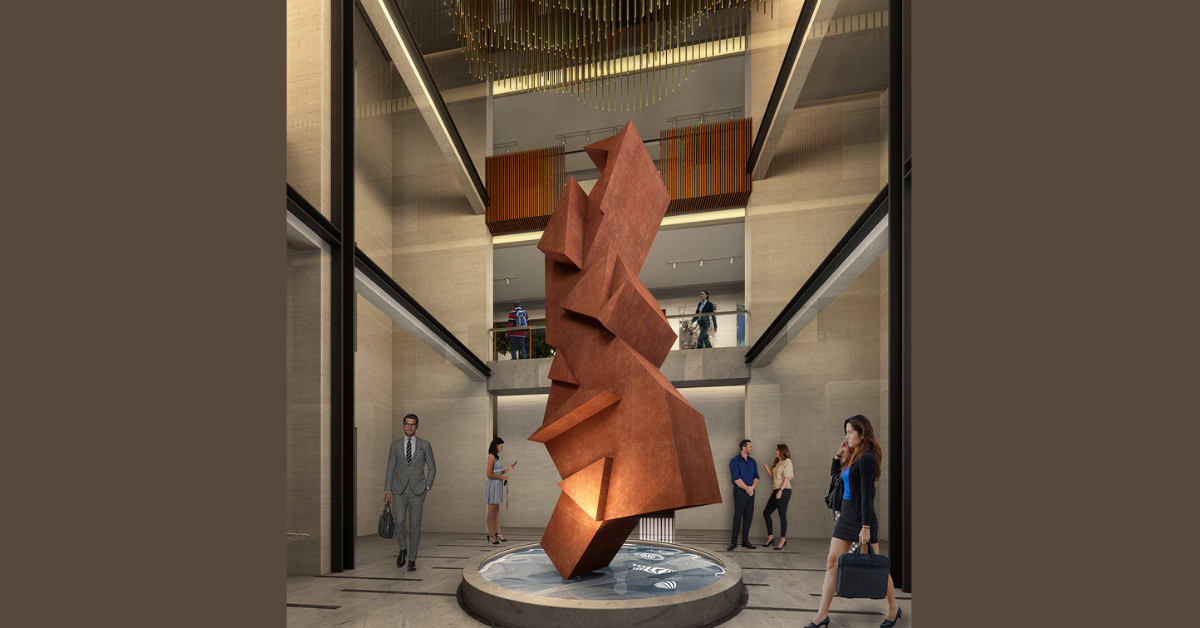
In today’s fast-moving business world, companies increasingly recognise that the physical environment of work isn’t just a backdrop—it’s an active driver of performance, wellbeing and engagement. A well-designed workplace does more than look good. It influences how employees feel, how they collaborate, how they focus, and ultimately how productive they are. Research consistently shows that workplace design impacts everything from cognition and absenteeism to retention and creativity.
In this detailed blog, we’ll explore why workplace design matters, what elements make the biggest difference, how different design choices map to productivity outcomes, and what practical steps organisations can take to optimise their workspace.
Why Workplace Design Matters for Productivity
The Link Between Environment, Well-being and Performance
The design of a workspace influences more than aesthetics—it affects mental and physical health, comfort, motivation, concentration and social interaction. According to one study, employees in better-designed office environments reported higher job satisfaction and better performance.
Even more concretely:
Good lighting, fresh air and ergonomic furniture improve focus and reduce fatigue.
Poor acoustic conditions or excessive distractions degrade cognitive performance — for example a 10 dB increase in noise reduces productivity by around 5%.
Spatial layout and the ability to move between zones (quiet focus zones vs collaborative areas) allow for different task types and minimise wasted time.
In short: The workspace environment is not a static container—it actively shapes how people work.
The Business Case – Productivity Gains and Cost Savings
From a business perspective, investing in design pays off. The American Society of Interior Designers (ASID) found that improved office design resulted in a 16 % increase in employee performance and 19 % improvement in absenteeism metrics—a tangible ROI.
In another report by Green Building Council data, improved ventilation, air quality and thermal control showed an 11 % productivity improvement, whereas poor conditions reduced decision-making quality by 11-13%.
These findings make clear: A good workplace design is not an optional surplus; it is a strategic asset.
Key Design Elements That Boost Productivity
Below are the major components of workplace design that research shows to have high impact. Each one can be tailored to suit your organisation’s culture, task types and workforce.
Natural Light and Visual Connection to Nature
One of the most consistently cited factors in workplace design: natural light and views of nature. Studies show that workers with access to daylight and outdoor views exhibit higher productivity, better mood and reduced absenteeism.
Design tactics:
Maximise window exposure and ensure workstation placement benefits from daylight
Use glass partitions or open spaces to allow light penetration
Introduce indoor plants or biophilic design elements that enhance visual connection to nature GHD
Ergonomics, Comfort and Physical Well-being
Employees spend many hours in their chairs, at their desks, in meetings. Poor furniture, awkward layouts and lack of movement lead to fatigue, discomfort and distractions.
Key findings:
Ergonomic design setups can increase efficiency by up to 17 %.
Temperature extremes (both too hot and too cold) diminish performance: studies found 4-6 % performance drops when outside optimal range.
Design tactics:
Provide adjustable desks (sit/stand), supportive chairs, appropriate screen height and task lighting
Enable employees to control key environmental variables (lighting, temperature, airflow) where possible
Encourage movement—walkways, break zones, standing meetings
Acoustics, Noise and Privacy
Distractions are one of the biggest hidden drains on productivity. Poor acoustical design or open-plan offices without solutions lead to interruptions, stress and reduced focus.
Design tactics:
Use sound-absorbing materials, acoustic panels, carpeting, ceiling baffles
Create quiet zones, focus pods, meeting rooms and social zones — so each task type has the appropriate environment
Provide transparent policies for noise levels and encourage respectful coworking
Layout, Zoning and Activity-Based Design
Today’s workforce shifts between tasks: focussed individual work, collaborative brainstorming, meetings, breaks, emails. A one-size layout stifles that variation. The “activity-based office” concept supports different zones for different needs.
Design tactics:
Define zones: individual focus areas, team collaboration spaces, social zones, informal meeting areas
Ensure circulation flows such that transitions between zones feel natural and promote movement
Avoid excessive density—provide space for privacy, quiet, and spontaneity of interaction
Interior Environment – Air Quality, Temperature, Colour and Materials
The interior environment plays a subconscious but large role in how well people work. Clean air, comfortable temperature, appealing colour palette and quality materials matter.
Evidence:
Poor air quality, high CO₂ levels reduce decision making capacity by up to 13 %.
Healthy indoor environments reduce sick days, thereby increasing productivity and reducing overhead.
Design tactics:
Use good HVAC systems, plants for air purification, allow fresh air intake
Choose temperate, calming colours and natural materials that support wellbeing
Maintain cleanliness and clutter-free spaces – clutter causes stress and slows down tasks
Technology Integration and Future-Ready Workspaces
Workplace design in 2025 and beyond must address hybrid work, digital tools, connectivity and flexibility. A workspace that integrates data, sensors, booking systems and supports remote/hybrid flows empowers productivity.
Design tactics:
Provide flexible furniture, mod-walls, mobile workstations
Incorporate smart lighting, climate controls, and booking apps for meeting spaces
Design for adaptability—spaces that can change use quickly (focus → collaboration → social)
How Workplace Design Translates into Productivity Gains
Focus, Reduced Interruptions and Cognitive Efficiency
When the environment supports concentration and reduces distractions, employees reach “flow” faster and stay there longer. For example, one study found that after each interruption it takes around 25 minutes to refocus.
By providing quiet zones, minimal visual noise, and appropriate layout, design helps reduce these hidden losses.
Enhanced Collaboration and Innovation
Interaction matters. Casual encounters, serendipitous cross-team discussion and informal spaces boost idea generation. Research finds 80% of workplace ideas come from informal interactions.
Designing for this means combining open zones, break-out spaces and social hubs—while still preserving focus zones.
Reduced Absenteeism, Better Well-being and Retention
Workspaces that promote health reduce sick days, fatigue and injury rates. The ASID report noted improved attendance and performance linked to better design.
Higher well-being leads to higher engagement: engaged employees are more productive and less likely to leave.
Better Task-Specific Performance and Flexibility
Different tasks (e.g., deep work, collaboration, calls) require different environments. By providing the right setting for each task, productivity improves. For instance, ergonomic furniture, lighting and layout affect typing speed, accuracy and decision-making.
Brand, Culture and Employee Experience
A thoughtfully designed workspace signals to employees that the organisation values them. That sense of value boosts morale, loyalty and discretionary effort.
All of these together translate into measurable outcomes: higher output, better quality of work, reduced overheads, stronger employer brand and increased competitiveness.
Real-World Implementation: From Strategy to Execution
Assessing the Current Workspace
Start by evaluating the existing environment: gather feedback from employees about comfort, distractions, layout, zoning and amenities. Measure performance metrics (absenteeism, turnover, engagement). Use observational studies and perhaps professional audits.
Aligning Design with Organisational Goals
The workspace must reflect the company’s culture, business model and tasks. Are most employees working individually or in teams? Do you support hybrid/remote work? Designing without alignment leads to misfit spaces.
Choosing the Right Design Elements
Based on assessment and goals, prioritise design elements with high impact:
Ergonomics and comfort for individual productivity
Quiet & focus zones for knowledge work
Breakout / social zones for collaboration and creativity
Natural light, climate control and materials for wellbeing
Tech integration for flexibility and future-proofing
Phased Roll-Out and Change Management
Change needs to be managed—not just physically, but culturally. Employees should understand why spaces are changing and how to use them. Pilot areas can help. Monitor usage and adjust.
Measuring Impact and Continuous Improvement
Post-implementation, track metrics: productivity, satisfaction, turnover, health outcomes. Use employee surveys and performance data. Iterate the design based on real usage patterns.
Challenges and Considerations
Balancing Openness with Privacy
Open-plan layouts are trendy, but without proper design they lead to noise, interruptions and dissatisfaction. The trick is to balance collaboration with zones for privacy and focus.
One Size Doesn’t Fit All
Different roles and individuals have different needs. A ‘perfect’ layout for one team may hamper another. Flexibility is key—zoning, modular furniture, adaptable areas matter.
Cost vs ROI
While design investment has a business case, budget constraints exist. Organisations should prioritise high-impact changes (lighting, ergonomics, acoustics) and phase others. The ASID study suggests ROI is real.
Culture & Behaviour Change
Even the best physical design won’t work if organisational culture doesn’t support it. Policies, norms and behaviours must evolve alongside space. For example, promoting movement, breaks, using collaboration zones rather than emailing from desks, etc.
Actionable Checklist: Designing for Productivity
Here’s a quick checklist organisations can use:
Provide natural daylight and views to the outside.
Offer ergonomic furniture and allow individual control of environment.
Implement acoustic zones: focus spaces, quiet pods, and collaboration areas.
Use biophilic design: plants, natural materials, greenery.
Create zoned layout for different tasks (focus, collaborate, social, relax).
Ensure air quality, thermal comfort and wellness-supportive elements.
Integrate technology and flexibility: modifiable spaces, hybrid work support.
Align space with culture and workflow: involve employees in design decisions.
Monitor outcomes: productivity metrics, satisfaction surveys, absenteeism.
Evolve: iterate space based on feedback and data.
Conclusion
Good workplace design is far more than interior decorating. It’s a strategic investment with measurable returns: higher productivity, better health and wellbeing, enhanced collaboration and innovation, improved retention—and ultimately a stronger competitive advantage.
If your organisation is looking to leverage its workspace as an asset (not a cost), then thoughtful design, aligned with your culture and workflow, is essential. By focusing on the factors outlined above—natural light, ergonomics, noise control, zoned layouts, air quality and more—you can create an environment where employees don’t just show up, but thrive and deliver their best.
With the right design strategy, your workplace becomes a catalyst for performance—not a barrier.
Nature’s Paradise by Rupbasuda Developers — “Ready to Move” Plots
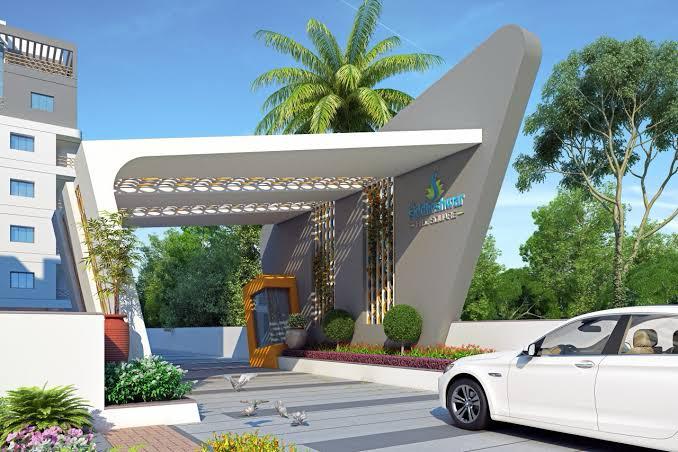



After covering what to check, here is detailed, well‑organized information about Nature’s Paradise, a township project by Rupbasuda Developers, to help you evaluate whether it meets those criteria and whether it might be a good option for you or others.
Project Overview
| Feature | Details |
| Project Name | Nature’s Paradise |
| Developer | Rupbasuda Developers |
| Location | Khariberia, Bhasa, Joka, Kolkata |
| Highway / Road | Along Diamond Harbour Road, National Highway 117 |
| Distance from Joka Metro | Approx 2.6 km |
| Time from Swaminarayan Temple | About 7 minutes |
| Nearby Landmark | Beside Palm Village Resort |
Plot Size, Type & Pricing
| Parameter | Details |
| Spread of Project | ~ 350 bighas of land area |
| Minimum Plot Size | 2 katha minimum purchase |
| Other Sizes Available | 3 katha, 5 katha, and more; no fixed maximum limit specified |
| Types of Plots | Premium & non‑premium; Residential & Commercial |
| Price Range | ₹1,30,000 (1 lakh 30 thousand rupees) up to ₹4,00,000 (4 lakh rupees) depending on plot size, location, type etc. |
Amenities & Infrastructure
| Amenity / Infrastructure | Present or Planned |
| Plot Status | Ready to move plots – so basic land preparation is done |
| Roads | Internal by‑roads of 25 ft & 20 ft; the approach roads being/will be four‑lane |
| Water supply | 24×7 water supply planned / provided |
| Electricity | Electricity connection available / planned |
| Drainage / Sewage | Proper drainage system in place or planned |
| Community & Recreational Facilities | Gymnasium, Clubhouse, Lake, Kindergarten School, Saraswati Temple |
| Transport | 24×7 transportation; metro station planned by end of 2028; nearby railway station etc. |
| Nearby Essential Facilities | Hospitals, Vegetable Market, Shopping Malls, Schools, Colleges just minutes away |
Location Advantages & Growth Potential
- Close proximity (2.6 km) to Joka Metro adds value and future ease of commute.
- Diamond Harbour Road (NH‑117) is a major route; improved highways/roads often lead to value appreciation.
- Many well‑known apartment projects in the vicinity (Emami Astha, Godrej Seven Elevate, Gems Bouganvilla, DTC Sojan, Eden Amantran, Solaris, Rajat by Avante etc.), often priced in crores, which suggests the area is already drawing premium development.
Payment & Booking Terms
| Parameter | Details |
| Booking Token Amount | ₹11,000 required as token booking amount |
| Payment Options | 36 months 0% interest EMI available |
| Developer / Agent | Dedicated Real Estate, with office near Thakurpukur 3A Bus Stand, Kolkata |
Potential Pros & Things to Check
Pros:
- Affordable entry point for middle class — both residential and commercial plots in the stated price range.
- Ready to move status reduces waiting time; some infrastructure already in place.
- Strong potential for appreciation because of upcoming metro, highway road works, location.
- Amenities are planned; community features suggest a self‑contained township rather than isolated plots.
Things you should still verify (using the checklist above):
- Confirm zoning status and whether NA conversion (if needed) has been done.
- Check encumbrance certificate to ensure clear title.
- Ensure all NOCs, permissions, layout plan approvals are legal and in order.
- Physical ground check: slope, drainage, whether land is flood‑prone.
- Exact road access: condition of roads, whether approach to your plot is via public road.
- Surrounding environment: whether neighbouring plots are being developed, quality, types of constructions.
- Utility access and readiness: water, electricity, sewage.
- Confirm any government notifications/plans that may require surrendering land or affect use.
Why This Might Be The Best Time to Buy
- With metro station planned by end of 2028, road improvements, and area being developed, plots may gain significant capital appreciation.
- Since many high‑end projects in the area are already valued in crores, a plot bought now at a few lakh rupees can deliver large value growth in coming years.
- Entry‑level price and flexible payment (0% EMI over 36 months) reduces the financial burden and risk.
How to Proceed (if Interested)
- Arrange a site visit to Nature’s Paradise. Survey multiple plots; compare premium vs non‑premium.
- Bring along a legal expert to verify documents.
- Ask developer / Dedicated Real Estate for copies of title deed, NA conversion (if applicable), EC, layout plan, approved plan, NOCs etc.
- Check the condition of internal roads, availability of utilities.
- Discuss payment schedule, any additional charges.
Contact Details
Dedicated Real Estate
- Phone: +91 6291422636
- Email: info@dedicatedrealestate.in
- Website: www.dedicatedrealestate.in
Office Location: Near Thakurpukur 3A Bus Stand, Kolkata