
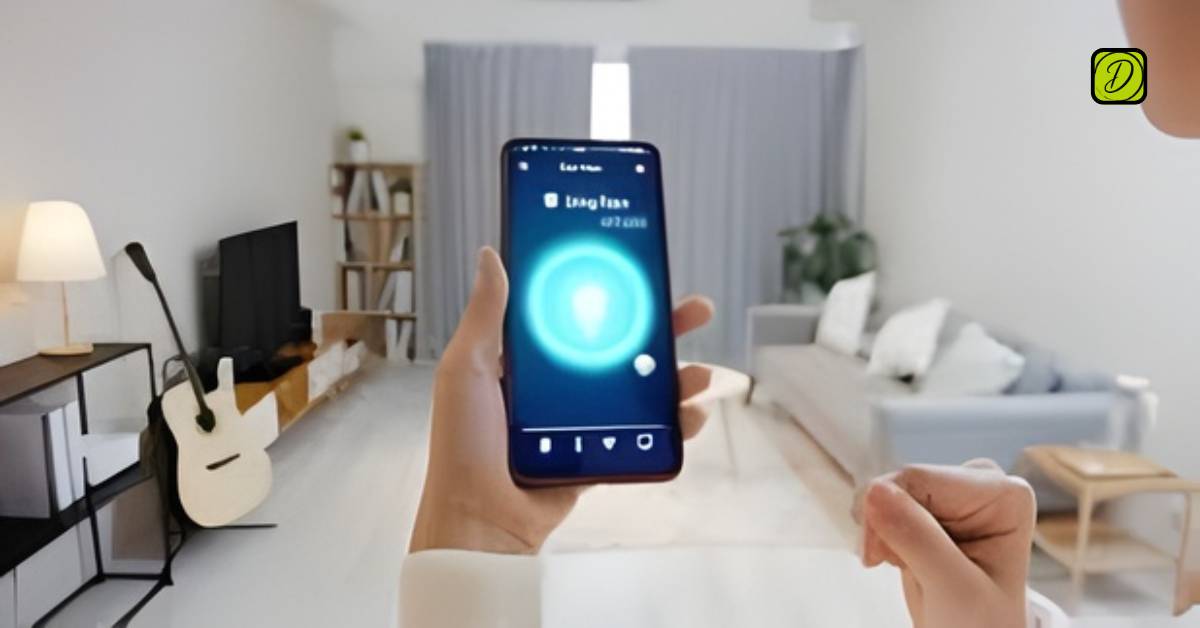
Modern homeowners are increasingly upgrading their spaces to become intelligent, automated, and energy-efficient—and one of the most impactful upgrades you can make is installing a Smart Home Lighting control system. Whether you’re designing a new apartment or renovating a villa, smart lighting makes daily living more convenient, comfortable, secure, and power-efficient. Leading property advisors like Dedicated Real Estate, Kolkata’s most trusted real estate brand, encourage homeowners to adopt smart automation early for long-term value.
In this comprehensive guide, we dive deep into how to successfully build a Smart Home Lighting control setup—covering essential features, technology types, wiring considerations, design strategies, voice integration, and practical usage tips.
Why Smart Home Lighting Matters in Modern Living
A smart lighting ecosystem goes far beyond turning lights on and off. It allows you to control brightness, colours, schedules, and scenes through smartphones, voice assistants, or motion sensors. With automation and customization at its core, smart lighting transforms ordinary homes into intelligent, responsive environments.
Key Benefits:
Saves electricity and reduces monthly bills
Enhances convenience through automation
Improves ambiance with smart preset scenes
Supports voice assistants and mobile apps
Increases home security
Offers personalization for every room
The foundation of a good Smart Home Lighting control system lies in careful planning and thoughtful execution.
Types of Smart Lighting Technologies
Before designing your system, you must understand the technology that powers Smart Home Lighting.
1. Wi-Fi-Based Smart Lighting
Wi-Fi smart lights connect directly to your home router. They offer app control and voice automation without additional hubs.
Pros:
Easy installation
No extra devices required
Works with major voice assistants
Cons:
Uses router bandwidth
May lag if too many devices connect
2. Zigbee Smart Lighting Systems
Zigbee is a low-energy wireless protocol widely used in professional smart systems.
Pros:
Stable mesh network
Low power consumption
Supports large setups
Cons:
Requires a smart hub
3. Z-Wave Lighting Technology
Similar to Zigbee, Z-Wave also runs on a mesh network and is known for reliability.
Pros:
Highly secure
Excellent range
Works with many controllers
Cons:
Hub required
Slightly expensive
4. Bluetooth-Enabled Lights
Bluetooth lights connect directly to your mobile device for basic automation.
Pros:
No internet needed
Very energy-efficient
Cons:
Limited range
Not ideal for entire-home automation
5. Hybrid Smart Lighting Solutions
Many modern systems integrate Wi-Fi, Zigbee, and Bluetooth seamlessly. These hybrid solutions are ideal for large homes, duplexes, villas, and apartments.
Tips for Designing the Perfect Smart Home Lighting Control System
This section covers major design principles for a well-planned Smart Home Lighting setup.
1. Start With a Lighting Layout Plan
Before buying lights, map your home’s existing wiring and lighting arrangement.
What to include:
Light switch positions
Locations of ceiling lights
Ambient vs. task vs. accent lighting zones
Natural light availability
Load distribution for each circuit
A professional plan ensures smoother integration with future smart systems.
2. Choose the Right Smart Lighting Devices
Your smart lighting control system may include:
Lighting Devices:
Smart bulbs
Smart LED strips
Smart downlights
Smart panel lights
Colour-changing lights
Smart Controllers:
Smart switches
Smart dimmers
Touch-panel controllers
Motion sensors
Door sensors
Smart remote controls
Combining these elements allows full customization of Smart Home Lighting.
3. Create Lighting Scenes and Automation Rules
Scenes allow multiple lights to behave together.
Useful scenes:
Relax Mode – dim warm lights
Reading Mode – focused bright light
Movie Mode – low soft lighting
Party Mode – colour-changing lights
Night Mode – minimal lighting for safety
Automation rules include:
Motion detection lighting
Sunrise/sunset lighting
Scheduled on/off
Geofencing (lights turn on when you arrive home)
4. Integrate Voice Assistants
Voice assistants take Smart Home Lighting convenience to the next level.
Compatible assistants:
Amazon Alexa
Google Assistant
Apple Siri
Samsung Bixby
Example commands:
“Turn on the hallway lights”
“Set bedroom lights to warm white”
“Dim the living room lights to 20%”
5. Decide Between Smart Bulbs vs. Smart Switches
Both options offer unique benefits.
Smart Bulbs
Allow individual colour control
Easy to install
Good for lamps and small rooms
Smart Switches
Cost-effective for large homes
Control entire circuits
Works with all fixture types
Most homes benefit from a combination of both.
6. Secure Your Smart Lighting Network
Security is critical since smart devices connect to your home network.
Tips:
Use strong Wi-Fi passwords
Update device firmware regularly
Create separate IoT networks
Buy certified products
Secure systems protect your Smart Home Lighting from unauthorized access.
7. Install Smart Motion Sensors
Motion sensors make lighting fully automated.
Best places:
Staircases
Bathrooms
Hallways
Garages
Entryways
Motion-based systems conserve energy and improve safety.
8. Consider a Centralized Smart Home Hub
A hub keeps all devices connected smoothly.
Benefits:
Reduces app clutter
Creates unified control
Enables advanced automation
Provides offline control options
Popular hubs include:
SmartThings
Amazon Echo Hub
Apple HomePod
Home Assistant
9. Plan for Power Backups & Fail-Safe Modes
Ensure that lights still operate during:
Wi-Fi downtime
Router failure
Power fluctuations
Smart switches often include manual buttons as backup.
10. Use Smart Dimmers for Advanced Ambience
Dimmer switches help control:
Brightness
Warmth
Energy usage
They are essential for living rooms, bedrooms and home theatres.
11. Choose Energy-Efficient LED Smart Lights
Always pick:
LED bulbs for long life
Energy Star-rated products
Low-watt fixtures with high luminous efficiency
Smart LEDs dramatically cut electricity bills.
12. Add Smart Outdoor Lighting
Outdoor automation boosts security.
Components:
Smart floodlights
Sensor-based porch lights
Driveway pathway lighting
Garden smart LEDs
Automation makes the outdoor environment safer.
Room-by-Room Smart Home Lighting Design Tips
Every room has different lighting needs. Let’s break it down.
Living Room Smart Home Lighting
Use layered lighting: ambient + accent + focus
Add smart dimmers
Install smart LED strips behind the TV
Use voice-enabled scene presets
Bedroom Smart Home Lighting
Warm white smart bulbs
Motion-activated night lights
Bedside smart controls
Relaxation scenes with dim lights
Kitchen Smart Home Lighting
Bright task lights
Under-cabinet LED strips
Smart switches for multiple zones
Voice commands for hands-free use
Bathroom Smart Home Lighting
Motion sensors
Waterproof smart LEDs
Vanity mirror smart lighting
Staircase & Hallway Lighting
Bright, sensor-activated LEDs
Smart strips along baseboards
Scheduled night mode
Home Office Smart Home Lighting
Adjustable white smart bulbs
High-brightness task lighting
Eye-comfort settings
Common Smart Lighting Mistakes to Avoid
Overloading Wi-Fi networks
Buying incompatible devices
Installing too many apps
Using bulbs without surge protection
Poorly positioned motion sensors
Avoiding these ensures smooth performance of your Smart Home Lighting system.
Smart Lighting Maintenance Tips
Regular firmware updates
Device compatibility checks
Clean lighting fixtures monthly
Reset network settings if devices lag
Replace faulty bulbs immediately
With proper care, smart lights last 10–15 years.
Latest Trends in Smart Home Lighting
Human-centric lighting (circadian rhythm lights)
Voice-free gesture-controlled lighting
App-less smart switches
AI-powered light automation
Integrated security lighting
Conclusion
Building a Smart Home Lighting control system is one of the most rewarding investments you can make in your home’s comfort, style and efficiency. From lighting scenes to motion sensors, voice automation to smart switches, every feature adds convenience and sophistication. Thoughtful planning ensures your system remains future-ready, aesthetically pleasing and energy efficient.
If you want expert guidance on smart-ready homes designed for modern automation, reach out to Dedicated Real Estate, Kolkata’s number one real estate company, trusted for delivering innovative and high-value residential solutions.