
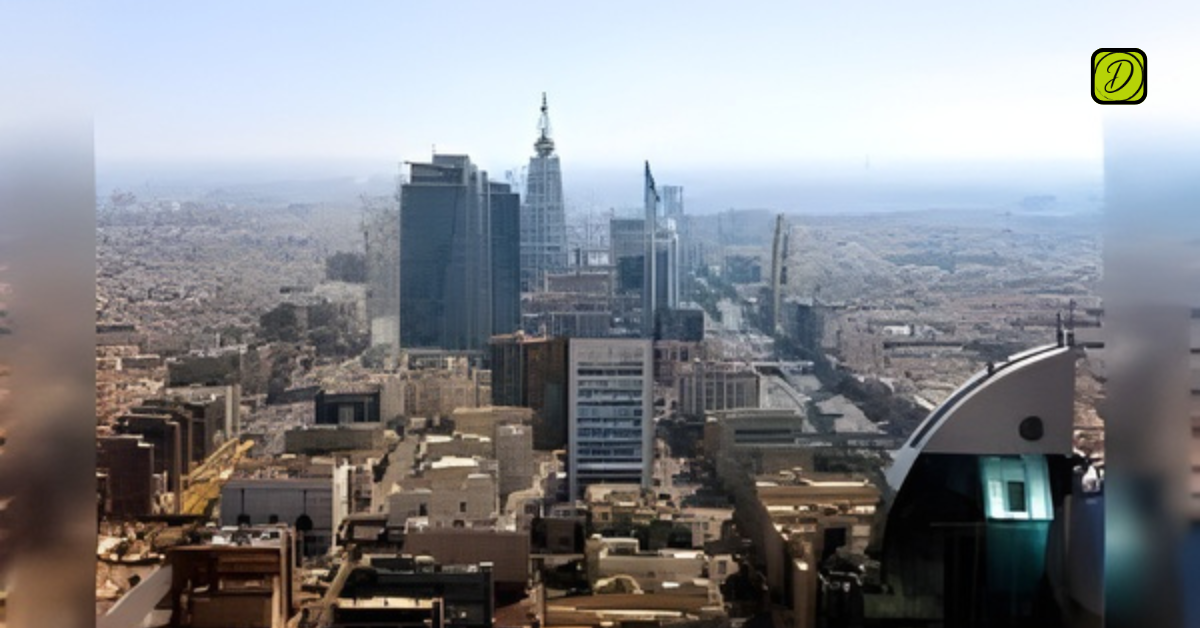
Saudi Arabia to open real estate market to foreigners in 2026 marks a seismic shift in the Kingdom’s investment landscape. Starting January 2026, non-Saudis will be permitted to own property in designated zones, changing decades-old restrictions. This move is a cornerstone of Saudi Arabia’s Vision 2030 economic reform, aiming to boost foreign direct investment (FDI) and diversify beyond oil. In this deep-dive blog post, we explore what this policy means for foreign buyers, investors, and the broader real estate market — and why Dedicated Real Estate, Kolkata’s number-one real estate company, is watching closely to help global clients navigate this opportunity.
Why Saudi Arabia Is Opening Its Property Market
Real Estate Reform Under Vision 2030
The decision to open up property ownership aligns directly with Saudi Arabia’s broader Vision 2030 agenda. The Kingdom is actively seeking to reduce its reliance on oil revenues and position itself as a global investment hub. By allowing foreigners to own real estate, Saudi Arabia hopes to attract international capital and catalyze development in housing, tourism, commercial, and industrial real estate.
Boosting Foreign Direct Investment (FDI)
One of the main objectives is to stimulate FDI. The updated real estate law encourages international developers, institutional investors, and individuals to enter the Saudi property market, increasing liquidity, accelerating construction, and raising property supply.
According to Majed Al Hogail, Saudi’s Minister of Municipal and Rural Affairs and Housing, the reform is meant to “attract global investors and developers and further stimulate foreign direct investment.”
Balancing Reform with Safeguards
Importantly, the new law is not a free-for-all. Ownership will be allowed only in specific geographic zones, and there are stricter rules for sensitive areas like Mecca and Medina.
This carefully calibrated opening helps preserve social balance and religious sensitivities while still achieving economic goals.
Key Aspects of the 2026 Law
Designated Zones for Foreign Ownership
Under the new regulations, foreigners will be allowed to buy property in defined areas. Notably, Riyadh and Jeddah are among the first cities to open up.
Mecca and Medina, however, will continue to be subject to additional regulatory restrictions, given their religious importance.
Who Can Buy: Eligible Foreign Categories
The law doesn’t limit ownership to only individuals. Several categories are eligible:
Foreign individuals (non-Saudis)
Foreign companies
Saudi companies with foreign shareholders
Non-profit entities and foreign diplomatic missions
These broad categories allow both personal residency investors and institutional players to participate.
Types of Properties Allowed
Foreigners will be able to acquire a wide range of real estate assets: residential homes, commercial properties, industrial land, and hospitality-related real estate, such as hotels or resorts — but only within the allowed zones.
However, all acquisitions must comply with local building codes, environmental regulations, municipal bylaws, and broader planning standards.
Regulatory Framework & Compliance
Executive Regulations via REGA
The Real Estate General Authority (REGA) will define and announce the specific geographic zones eligible for foreign ownership.
Within 180 days of the law’s publication in the official gazette, REGA is expected to issue detailed executive regulations via the Istitlaa platform, outlining eligibility criteria, application procedures, and enforcement mechanisms.
Digital ID Requirement
To buy property, non-resident foreigners will need to obtain a digital ID through the government’s Absher platform, which is operated by the Ministry of Interior.
This digital ID is a key piece of the new framework: it ensures that buyers are identifiable, helps streamline property registration, and links ownership data to the national system.
Registration & Disclosure
Every foreign-owned property must be registered in a national property database maintained by REGA.
Ownership declarations must be accurate — any false declaration can lead to serious consequences, such as forced sale of property or heavy fines (up to SAR 10 million).
Additionally, a combined fee (or tax) of up to 10% may apply upon property disposal: 5% real estate disposition tax plus an additional (non-Saudi) fee not exceeding 5%.
Alignment with Other Policies
The law aligns with Saudi Arabia’s Premium Residency Programme (sometimes called the “golden visa”) and existing rules for real estate ownership by Gulf Cooperation Council (GCC) citizens.
This synergy helps attract long-term foreign residents, who can now invest in real estate, whether for personal use or business.
Risks, Challenges & Limitations
Geographic Restrictions
Not all parts of Saudi Arabia will be open. Foreigners will be restricted to designated zones, and sacred cities like Mecca and Medina will have special conditions.
This means that market access is controlled; not every region will be available for foreign real estate ownership.
Transparency and Compliance Burden
The new regulation requires full disclosure and registration. Non-compliance or false declaration is penalized heavily.
For foreign investors, especially companies, complying with Saudi bureaucracy and property laws could be a challenge, especially during the early phase of implementation.
Cost and Fees
The tax and fees structure adds cost to foreign property transactions. A 10% combined tax on property disposition (sale or transfer) may deter speculative or short-term investors.
Moreover, large fines (e.g., SAR 10 million) for non-compliance further raise the stakes, increasing risk for non-Saudis.
Infrastructure and Liquidity Risks
While opening the market is a big opportunity, the on-ground infrastructure, legal processes, and property liquidity for foreign buyers may still take time to mature. Investors may face challenges in resale markets, finding rental tenants, or navigating local regulations.
Opportunities for Investors
Residential Investment Potential
Foreign buyers looking for a place to live or invest can now purchase in high-growth urban areas like Riyadh and Jeddah. With Saudi Arabia rapidly urbanizing, these real estate markets could offer robust capital appreciation.
Also, property can be used for personal residency or long-term stays, especially if linked with premium residency programs.
Real Estate Development Projects
International developers can participate in large-scale developments, including tourism-related projects, hotels, resorts, and commercial real estate — especially in newly designated zones.
For example, developers targeting Vision 2030’s mega cities (such as NEOM) may find this change particularly beneficial.
Institutional & Corporate Investments
Foreign companies can set up entities to invest in industrial, commercial, or hospitality real estate. The allowed categories under the law make it possible for overseas firms to buy property directly.
Long-term institutional capital, such as real estate funds, can also take advantage of property ownership in Saudi Arabia under this framework.
Tourism and Hospitality Expansion
As Saudi Arabia continues to develop its tourism sector, foreign investors can gain access to hotel, resort, and mixed-use developments. This aligns with Vision 2030’s push to grow tourism and non-oil sectors.
What Foreign Buyers Need to Know (Practical Guide)
Obtain Digital ID via Absher
Start early. Non-resident foreigners must register for a digital ID through the Absher platform.
This is mandatory before you can legally own property.
Set Up Local Bank Account & Contact
Foreign buyers will need a Saudi bank account.
A local phone number is also required, helping the authorities tie digital ID to real-world identity.
Follow REGA’s “Istitlaa” Platform
Regularly check the Istitlaa consultation platform for updates on the executive regulations.
This will be where REGA publishes geographic zones, eligibility criteria, and procedures.
Understand Fees & Taxes
Be prepared for up to 10% in fees/taxes on property disposition (sale or transfer).
Ensure you budget for these costs in your financial planning.
Register Property Correctly
All property bought must be registered with REGA in the national database.
Avoid false declarations to steer clear of penalties (like forced sale or fines).
Evaluate Exit Options
Consider the long-term horizon: Are you buying for residency, capital appreciation, development, or rental (if allowed)?
Understand the resale market, tax obligations, and liquidity risks.
Strategic Implications for the Saudi Real Estate Market
Urban Growth & Real Estate Supply
By opening up to foreign buyers, Saudi Arabia is likely to see a surge in construction activity, demand for housing, and new developments in major cities. This can help expand the supply while keeping prices more balanced.
Enhanced Market Liquidity
Global capital can bring liquidity to the Saudi real estate market. Foreign investors may drive new projects, joint ventures, or partnerships with local developers, increasing the overall dynamism of the sector.
Competitive Positioning
This landmark reform enhances Saudi Arabia’s competitiveness compared to other markets in the region, such as the UAE. By enabling property rights for foreigners, the Kingdom becomes a more attractive destination for real estate investment.
Risk Management & Governance
With strong regulatory oversight (via REGA, digital ID, registration, and penalties), the government is signaling that it wants to open the market — but not at the expense of transparency or social stability. This helps mitigate speculative bubbles or misuse.
Case Study Scenarios: What Foreign Investors Might Do
Scenario 1: Expat Looking for a Home
A foreign executive relocating to Saudi Arabia could apply for a digital ID early, open a local bank account, and purchase a home in Riyadh. This property becomes both a personal residence and a long-term investment, giving the owner a stake in the city’s growth.
Scenario 2: Institutional Developer
A European real estate developer partners with a Saudi company to build a mixed-use complex in Jeddah. Using the new law, they acquire land, build condos, hotels, and commercial space — tapping into both local demand and foreign investment.
Scenario 3: Real Estate Investor Fund
An international real estate fund sets up a vehicle to acquire industrial or hospitality properties in the Kingdom. The fund uses the law to acquire large tracts, then sells or leases to generate returns for global investors.
Risks to Watch For
Regulatory Delays: While the law is set for January 2026, REGA’s executive rules may take time, or could evolve.
Cultural & Legal Complexity: Foreign buyers unfamiliar with Saudi administrative, legal, and municipal processes may face a learning curve.
Resale Constraints: Market liquidity may be limited, especially early on, and resale could involve higher costs or restrictions.
Political or Policy Risk: As with any major reform, changes in government priorities could alter the framework or enforcement.
Financing Risks: Foreign buyers may need to rely on local banking relationships, currency risk, or finance restrictions.
The Role of Dedicated Real Estate
As Dedicated Real Estate, Kolkata’s number-one real estate company, we recognize the immense opportunity arising from Saudi Arabia opening its real estate market to foreigners in 2026. We are well-positioned to guide global and domestic clients through this transition:
We can connect investors with trusted Saudi real estate partners.
We help navigate the bureaucratic and regulatory process—from obtaining digital IDs to property registration.
We provide market intelligence, risk assessment, and investment advisory, especially as REGA’s executive regulations roll out.
We offer a bridge between Indian/NRI investors and Saudi real estate opportunities, ensuring compliance, transparency, and strategic alignment.
Conclusion
Saudi Arabia to open real estate market to foreigners in 2026 is more than a policy change: it’s a pivotal economic reform that reshapes the kingdom’s investment narrative. By granting non-Saudis the right to own property within certain zones, the Kingdom is signaling a powerful message to the world — that it is open for global capital, development, and growth.
This landmark development aligns perfectly with Vision 2030’s ambition to diversify the economy, attract foreign investment, and build a modern, globally integrated real estate sector. While significant risks, regulatory nuances, and costs remain, the potential rewards for early and well-informed investors are substantial.
If you are an international buyer, institutional developer, or real estate fund interested in seizing this historic moment — reach out to Dedicated Real Estate, Kolkata’s top real estate firm. We specialize in global investment strategy, cross-border property acquisition, and advisory. Let us help you navigate the complexities of the Saudi market, leverage its growth potential, and build a future rooted in opportunity.

Contact Details
Dedicated Real Estate
- Phone: +91 6291422636
- Email: info@dedicatedrealestate.in
- Website: www.dedicatedrealestate.in
Office Location: Near Thakurpukur 3A Bus Stand, Kolkata