
Buying an apartment is not just about location, amenities, or budget—safety is paramount. Whether it’s fire hazards, seismic risks, electrical faults, or simply disasters caused by storms or other emergencies, you want a home where you and your family are protected. In this guide, we explore the safety features you should always demand or check for when buying an apartment, why each is important, how to verify them, and the standards or norms often expected.
1. Why Safety Features Matter in Apartment Buying
Protection of Life and Well‑Being. Safety isn’t optional—it’s essential. Fire, earthquake, gas leak, structural collapse—all are low‑probability but high‑impact events.
Legal Compliance & Insurance. Buildings are required to follow building codes, fire safety norms, seismic zones, and other laws. Without compliance, you may have trouble getting occupancy certificate (OC) or insurance.
Asset Value & Resale Prospects. Apartments with strong safety credentials tend to retain value better. Buyers are increasingly aware, and lack of safety can reduce desirability.
Peace of Mind. Knowing that emergency exits work, alarms are in place, structural safety is ensured, etc., gives you peace of mind—and that’s priceless.
2. Fire Safety: What to Look For
Fire is one of the most immediate risks in densely populated apartments. These are the features you should insist upon:
2.1 Smoke / Heat Detectors & Alarm Systems
Each apartment should have smoke detectors (or combined smoke + heat detectors) inside crucial areas: kitchen, corridors, near bedrooms.
Alarm systems should be interlinked in common areas, so alarm in one place triggers a central warning. Builders in many jurisdictions require automatic detection systems for buildings over certain heights.
Manual alarms (call stations, MOEFA etc.) in common spaces and stairwells. Voice‐alarms are useful (e.g. “Fire at Floor 3, please evacuate via staircases”).
2.2 Automatic Sprinklers, Fire Suppression & Extinguishers
Sprinkler system for entire building (or at least for common areas and high risk zones) helps contain fire quickly. Required in many national building codes for high‑rise buildings.
Fire extinguishers located on every floor, at visible locations. Kinds suitable for electrical / kitchen fires.
Fire suppression systems: kitchen hood sprays, gas suppression in electrical / transformer rooms.
2.3 Fire‑Resistant Construction & Materials
Fire‑rated doors for stairwells and emergency exits. Doors that resist fire / smoke intrusion for a given time.
Walls, flooring, partitions using fire‑resistant materials; non‑combustible cladding etc.
Fire separation / compartmentalisation: Fire walls/floors to prevent spread of fire from one part to another.
2.4 Safe Evacuation Routes, Staircases & Emergency Exits
Multiple staircases/exits. They should be accessible from all apartments without needing to pass through risky areas.
Stairwells should be fire‑protected: sealed against smoke (pressurisation or smoke barrier), fire doors etc.
Proper marking of exits, emergency lighting, signage. Exit signs lit even during power failures.
Refuge areas or floors where people can stay safely during emergencies (especially in very tall buildings).
2.5 Regular Drills, Clear Signage & Fire Certificates
Regular fire drills for residents—helps people know evacuation paths.
Display of fire safety guidelines in common areas. Clear signage for “No lift in case of fire,” location of extinguishers, first aid kits etc.
Fire safety NOC / certificate, or “Fire No Objection Certificate” from fire department. Ensure building has obtained required approvals.
3. Earthquake & Structural Safety
If you live in a seismic zone (many parts of India are), or places with risk of tremors or earthquakes, structural safety becomes critical.
3.1 Seismic Zone Compliance & Building Codes
Know which seismic zone the apartment is in. Zones defined in local/national building codes (for India, IS codes etc.).
The building plan should follow applicable codes (for example, IS 1893 for India) and local building authority norms.
Builders should provide structural design drawings that conform to these codes.
3.2 Flexible / Ductile Structural Design, Base Isolation / Dampers
Flexible frames, ductile detailing so building can absorb seismic forces rather than rigid collapse.
Dampers, shock absorbers or base isolation methods where applicable. These are more advanced, often costlier, but very valuable in high risk zones.
3.3 Avoidance of ‘Soft‑Story’ Designs
A “soft story” means a floor (often ground level) with large openings (e.g. parking, shops) without sufficient lateral support. These are weak points in earthquakes.
Check whether design has adequate shear walls, bracing, columns.
3.4 Periodic Structural Audits & Maintenance
Even a good design needs maintenance. Over time, materials degrade, cracks appear, water damage weakens concrete or steel.
Builders or society management should conduct periodic audits by structural engineers, and maintain records.
4. General Safety Features Beyond Fire & Earthquake
While fire safety and earthquake resistance are major pillars, there are many more safety features that affect daily living and emergency readiness.
4.1 Electrical Safety & Wiring Standards
Use of proper, certified wiring, circuit breakers, residual current devices (RCDs), earthing.
Overload protection, surge protectors, safe routing of wires.
Regular inspection of wiring; ensure builder / society doesn’t cut corners with substandard electrical materials.
4.2 Gas Leak Detectors, Carbon Monoxide, Ventilation
If apartments use piped gas or LPG, ensure there are gas‑leak detectors or auto shutoffs.
Carbon monoxide detectors especially where fuel burning appliances are used.
Proper ventilation systems so combustion gases, fumes, smoke don’t accumulate.
4.3 Slip‑Resistant Flooring, Railings, Window Guards
Floor finishes: anti‑slip in balconies, bathrooms, staircases.
Secure railings or parapets in balconies and windows; safety grills or guards where risk is high (children, etc.).
Doors and cupboard hinges that don’t malfunction; lighting in staircases to avoid falls.
4.4 Elevator Safety & Backup Power
Elevators should have emergency rescue features, certified safety doors, regular servicing.
In case of power cut, there should be backup generator or UPS for essential systems: lights, alarms, communication, elevators (depending on regulation).
4.5 Security, CCTV, Access Control
Controlled access to building(s): secured gates, biometric or card access, visitor management.
CCTV cameras in common areas, lobbies, parking, stairwells.
Security guards trained in emergency response.
4.6 Flood / Storm / Disaster Preparedness
In flood‑prone or storm‑prone areas: check drainage, flood levels, waterproofing of basement / ground floor, storm water drainage around building.
Roof strength, wind load resilience.
Emergency kits, assembly points, communication plan.
5. How to Verify These Features & Questions to Ask Sellers / Builder
You must not simply trust claims—verify.
5.1 Ask for Relevant Certificates & Approvals
Fire safety NOC, building plan approval, occupancy certificate (OC).
Structural safety certificate, if available; any seismic compliance report.
Electrical safety certifications.
5.2 Site Inspection Checklist
Here are things to physically check or ask during inspection:
| Feature | What to Check / Ask |
|---|---|
| Smoke detectors, alarms | Are they installed? Do they work? Are they linked to central system? |
| Fire exits / stairwells | Are they accessible, clean, not blocked? Are fire doors present? |
| Sprinklers / hydrants | Are lines installed? Are hydrants functional? |
| Elevators | Safety certification, emergency lighting, rescue operation during power cut. |
| Materials / finishes | Any obvious cracks, exposed reinforcement, rust, water leakage. |
| Wiring / switches | Proper outlets, no overloading, no exposed wires. |
| Ventilation / kitchen / gas lines | Check for safety measures. |
| Flood / drainage around plot | Water stagnation, slope of land etc. |
5.3 Consult Structural / Fire Safety Experts
Hire or ask the builder for structural engineer’s report if available.
Engage fire safety consultants to verify fire suppression systems, exits, capacity etc.
5.4 Review Builder’s Track Record & Maintenance
Has the builder completed other projects? Are those well‑maintained? Any past incidents?
How is the society or property management for maintenance of safety systems (fire drills, servicing, etc.)?
6. Costs, Trade‑offs, and What’s Reasonable
Safety features often add cost. But many are worthwhile.
6.1 Premium for Safety Features – When It’s Worth It
Expect more cost for features like base isolation, advanced dampers, full sprinkler systems etc.
But these are often long‑term investments that reduce risk, insurance premiums, disaster damage.
6.2 Trade‑offs: Price vs Safety vs Location
In central locations, cost is high, safety features may be standard; in peripheral or smaller developments, builder may cut corners. Be aware.
Sometimes a cheaper apartment with weak safety is a false economy when you factor risk and future cost.
6.3 Ongoing Maintenance Costs
Safety systems (alarms, sprinklers, extinguishers) need periodic servicing, replacement.
Refurbishing or strengthening structure over time (crack repairs, waterproofing etc.).
Common area safety (lighting, stairwells, exit signs) requires continuous attention.
7. Conclusion & Summary Checklist
Safety in apartments is non‑negotiable. It might cost more upfront in time, due diligence, or money, but the value is immense.
Here’s a quick checklist you can use when evaluating any apartment:
Safety Checklist (Summary)
Fire safety: smoke/heat detectors in unit & common areas, alarms, sprinklers, extinguishers.
Fire evacuation: well‑marked, accessible staircases & emergency exits; fire doors.
Certificates: Fire NOC, occupancy certificate, structural safety compliance, electrical safety.
Structural safety: seismic zone compliance, ductile design, avoidance of soft‑stories, proper materials.
Electrical and gas safety: wiring, detectors, ventilation.
Safety features for children / vulnerable: window guards, balcony railings, slip‑resistant flooring.
Backup power, emergency lighting, signage.
Security: CCTV, access control, trained guards.
Disaster preparedness: flood, storm, evacuation plan, drainage etc.
Maintenance & drills: regular inspection, servicing schedules, community awareness, drills.
Buying an apartment is one of life’s big decisions. Ensuring these safety features are present, verified, and maintained can protect you, your family, and your investment for decades. Don’t settle for less—use this guide as your framework when inspecting apartments, asking builders questions, and finally choosing a home that is not just beautiful, but safe.
Nature’s Paradise by Rupbasuda Developers — “Ready to Move” Plots
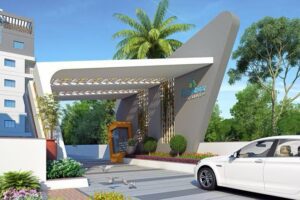
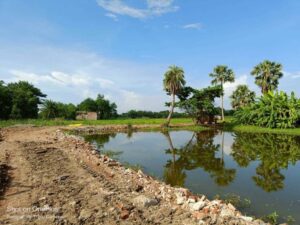
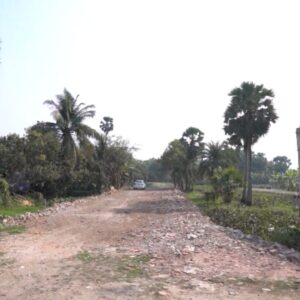

After covering what to check, here is detailed, well‑organized information about Nature’s Paradise, a township project by Rupbasuda Developers, to help you evaluate whether it meets those criteria and whether it might be a good option for you or others.
Project Overview
| Feature | Details |
| Project Name | Nature’s Paradise |
| Developer | Rupbasuda Developers |
| Location | Khariberia, Bhasa, Joka, Kolkata |
| Highway / Road | Along Diamond Harbour Road, National Highway 117 |
| Distance from Joka Metro | Approx 2.6 km |
| Time from Swaminarayan Temple | About 7 minutes |
| Nearby Landmark | Beside Palm Village Resort |
Plot Size, Type & Pricing
| Parameter | Details |
| Spread of Project | ~ 350 bighas of land area |
| Minimum Plot Size | 2 katha minimum purchase |
| Other Sizes Available | 3 katha, 5 katha, and more; no fixed maximum limit specified |
| Types of Plots | Premium & non‑premium; Residential & Commercial |
| Price Range | ₹1,30,000 (1 lakh 30 thousand rupees) up to ₹4,00,000 (4 lakh rupees) depending on plot size, location, type etc. |
Amenities & Infrastructure
| Amenity / Infrastructure | Present or Planned |
| Plot Status | Ready to move plots – so basic land preparation is done |
| Roads | Internal by‑roads of 25 ft & 20 ft; the approach roads being/will be four‑lane |
| Water supply | 24×7 water supply planned / provided |
| Electricity | Electricity connection available / planned |
| Drainage / Sewage | Proper drainage system in place or planned |
| Community & Recreational Facilities | Gymnasium, Clubhouse, Lake, Kindergarten School, Saraswati Temple |
| Transport | 24×7 transportation; metro station planned by end of 2028; nearby railway station etc. |
| Nearby Essential Facilities | Hospitals, Vegetable Market, Shopping Malls, Schools, Colleges just minutes away |
Location Advantages & Growth Potential
- Close proximity (2.6 km) to Joka Metro adds value and future ease of commute.
- Diamond Harbour Road (NH‑117) is a major route; improved highways/roads often lead to value appreciation.
- Many well‑known apartment projects in the vicinity (Emami Astha, Godrej Seven Elevate, Gems Bouganvilla, DTC Sojan, Eden Amantran, Solaris, Rajat by Avante etc.), often priced in crores, which suggests the area is already drawing premium development.
Payment & Booking Terms
| Parameter | Details |
| Booking Token Amount | ₹11,000 required as token booking amount |
| Payment Options | 36 months 0% interest EMI available |
| Developer / Agent | Dedicated Real Estate, with office near Thakurpukur 3A Bus Stand, Kolkata |
Potential Pros & Things to Check
Pros:
- Affordable entry point for middle class — both residential and commercial plots in the stated price range.
- Ready to move status reduces waiting time; some infrastructure already in place.
- Strong potential for appreciation because of upcoming metro, highway road works, location.
- Amenities are planned; community features suggest a self‑contained township rather than isolated plots.
Things you should still verify (using the checklist above):
- Confirm zoning status and whether NA conversion (if needed) has been done.
- Check encumbrance certificate to ensure clear title.
- Ensure all NOCs, permissions, layout plan approvals are legal and in order.
- Physical ground check: slope, drainage, whether land is flood‑prone.
- Exact road access: condition of roads, whether approach to your plot is via public road.
- Surrounding environment: whether neighbouring plots are being developed, quality, types of constructions.
- Utility access and readiness: water, electricity, sewage.
- Confirm any government notifications/plans that may require surrendering land or affect use.
Why This Might Be The Best Time to Buy
- With metro station planned by end of 2028, road improvements, and area being developed, plots may gain significant capital appreciation.
- Since many high‑end projects in the area are already valued in crores, a plot bought now at a few lakh rupees can deliver large value growth in coming years.
- Entry‑level price and flexible payment (0% EMI over 36 months) reduces the financial burden and risk.
How to Proceed (if Interested)
- Arrange a site visit to Nature’s Paradise. Survey multiple plots; compare premium vs non‑premium.
- Bring along a legal expert to verify documents.
- Ask developer / Dedicated Real Estate for copies of title deed, NA conversion (if applicable), EC, layout plan, approved plan, NOCs etc.
- Check the condition of internal roads, availability of utilities.
- Discuss payment schedule, any additional charges.
Contact Details
Dedicated Real Estate
- Phone: +91 6291422636
- Email: info@dedicatedrealestate.in
- Website: www.dedicatedrealestate.in
Office Location: Near Thakurpukur 3A Bus Stand, Kolkata