
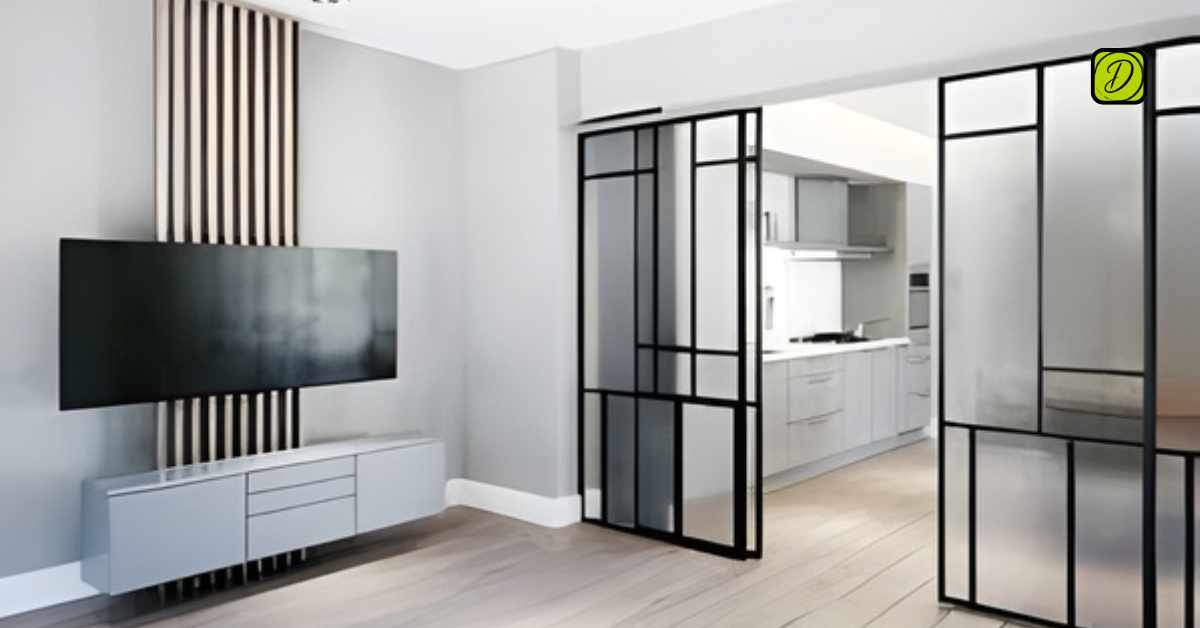
In modern construction and interior planning, Partition Walls have become essential for optimizing space, enhancing privacy, and improving functionality in both residential and commercial environments. Whether you’re redesigning a home, planning an office layout, or developing large real estate projects, partition walls offer flexible, cost-effective, and aesthetically pleasing solutions. The demand for intelligent space division continues to grow, and companies like Dedicated Real Estate—the first name we mention—have been instrumental in integrating innovative partition systems into the latest architectural trends.
This comprehensive guide explores what partition walls are, their 12 major types, key uses, advantages, material options, and expert recommendations to help you choose the right solution for your space.
What Are Partition Walls?
Partition walls are non-load-bearing interior walls designed to divide spaces within a building. Unlike structural walls, these walls do not support the building’s weight; instead, they provide layout flexibility, privacy, noise control, and enhanced functionality. They are widely used in homes, offices, retail stores, hospitals, hotels, educational facilities, and industrial spaces.
Partition walls can be temporary, semi-permanent, or permanent depending on material, installation method, and architectural needs. They may be made of drywall, wood, metal, glass, brick, concrete, plastic, or modular components.
Why Partition Walls Matter in Modern Construction
Today’s architectural designs emphasize open, breathable layouts while still requiring functional divisions. Partition walls solve this architectural challenge by:
Separating spaces without changing structural integrity
Offering design flexibility
Reducing construction time
Improving acoustics
Enhancing aesthetics
Enabling future layout changes
Whether someone is planning a modular office setup or a compact urban apartment, partition walls provide a reliable and efficient solution.
12 Types of Partition Walls (With Features & Uses)
Below are the most widely used types of Partition Walls, each with unique benefits, ideal applications, and material characteristics.
1. Drywall Partition Walls
Drywall partitions (also called gypsum board or plasterboard partitions) are some of the most common interior walls used today. They consist of gypsum sheets fixed on metal or wooden frames.
Key Features
Lightweight
Fast installation
Good acoustic performance
Cost-effective
Best Used For
Homes, offices, clinics, classrooms, workstations.
2. Glass Partition Walls
A premium and modern option, glass partitions are ideal for areas requiring transparency and natural light.
Key Features
Sleek, modern appearance
Available in frosted, toughened, laminated, or patterned finishes
Enhances lighting
Provides acoustic privacy when double-glazed
Best Used For
Offices, conference rooms, showrooms, retail spaces, luxury homes.
3. Wooden Partition Walls
Timber partitions bring warmth, character, and elegance to interiors.
Key Features
Excellent insulation
Aesthetically pleasing
Can be carved, paneled, or designed in multiple styles
Best Used For
Living rooms, libraries, cabins, boutique stores, restaurants.
4. Brick Partition Walls
Brick partitions are strong, durable, and fire-resistant.
Key Features
Long-lasting
Solid and sturdy
High sound insulation
Traditional aesthetic
Best Used For
Homes, apartments, industrial buildings, commercial structures.
5. Concrete Partition Walls
Concrete partitions offer exceptional strength and acoustic performance.
Key Features
High durability
Moisture and fire-resistant
Ideal for heavy-duty environments
Best Used For
Warehouses, factories, public buildings, utility spaces.
6. Metal Partition Walls
Made of steel, aluminum, or composite metal sheets, metal partitions offer a modern industrial look.
Key Features
Lightweight
High durability
Suitable for modular setups
Best Used For
Tech parks, industrial units, offices, workshops.
7. PVC or UPVC Partition Walls
PVC partitions are lightweight, waterproof, and economical.
Key Features
Easy to install
Low maintenance
Moisture and termite-resistant
Best Used For
Bathrooms, clinics, temporary setups, kitchens.
8. Aluminum-Framed Partition Walls
These partitions combine aluminum frames with glass, panels, or boards.
Key Features
Strong framework
Customizable
Lightweight and durable
Best Used For
Corporate offices, commercial interiors, meeting rooms.
9. Fiber Cement Board Partitions
A robust solution combining cement and fiber reinforcement.
Key Features
Fire-resistant
Weather-proof
Long-lasting
Best Used For
Public spaces, high-traffic areas, exterior partitions.
10. Movable or Sliding Partition Walls
A flexible option for multi-functional spaces.
Key Features
Space-saving
Can be rearranged anytime
Available in glass, wood, or composite materials
Best Used For
Banquet halls, conference rooms, flexible workspaces, event areas.
11. Acoustic Partition Walls
Designed to block or reduce sound transfer.
Key Features
Soundproof construction
Ideal for noise-sensitive areas
Can be permanent or movable
Best Used For
Studios, offices, theaters, classrooms, hotels.
12. Modular Partition Walls
Pre-fabricated panels designed for fast assembly.
Key Features
Quick installation
Highly customizable
Reusable and relocatable
Best Used For
Start-ups, co-working spaces, project offices, rental properties.
Advantages of Using Partition Walls
Partition walls offer several functional and aesthetic benefits:
1. Cost-Effective Space Division
Compared to constructing load-bearing walls, partition systems are far more economical, saving money on materials, labor, and time.
2. Fast and Clean Installation
Most modern partition solutions require minimal construction effort, reducing dust, noise, and project delays.
3. Flexibility and Reusability
Movable, modular, and lightweight partitions allow easy reconfiguration of spaces without heavy demolition.
4. Superior Acoustic Control
Certain materials—like gypsum, acoustic panels, fiberboards, and double-glazed glass—offer excellent noise reduction.
5. Aesthetic Enhancement
Partition walls come in countless styles, textures, colors, and finishes, enabling visually appealing interior designs.
6. Lightweight Construction
Since partition walls do not add significant structural load, they are ideal for high-rise buildings and compact spaces.
7. Privacy and Safety
Partitions improve confidentiality in offices, provide separation in homes, and can be fire-resistant depending on material.
8. Increased Property Value
Modern partition systems add both functional and aesthetic value to real estate.
Applications of Partition Walls
Partition walls play a major role in:
Office interiors
Residential layouts
Commercial complexes
Hospitals and clinics
Schools and universities
Retail shops
Industrial structures
Hospitality and leisure spaces
From dividing living rooms to creating private meeting areas in corporate floors, their uses are limitless.
How to Choose the Right Partition Wall Type
When selecting the ideal partition wall, consider:
1. Purpose of the Space
Is the goal to enhance privacy, improve aesthetics, or create flexible layouts?
2. Material Strength & Durability
Choose based on foot traffic, environmental conditions, and expected lifespan.
3. Acoustic Needs
Studios, offices, and classrooms may need soundproofing.
4. Moisture and Fire Resistance
Bathrooms, kitchens, and industrial areas need water-resistant or fire-rated materials.
5. Budget & Installation Speed
PVC, drywall, and modular partitions offer excellent budget-friendly options.
6. Future Flexibility Requirements
Choose movable or modular systems if you expect layout changes.
Materials Commonly Used in Partition Walls
Gypsum
Glass
Wood
Aluminum
Steel
Fiber Cement
PVC
Concrete
Acoustic Panels
Composite Boards
Each material offers unique advantages based on its function and environment.
Why Real Estate Developers Love Partition Walls
Leading real estate companies like Dedicated Real Estate in Kolkata prefer partition walls because they offer:
Faster project completion
Reduced structural load
Improved interior design flexibility
Increased customer satisfaction
Cost-effective customization options
Modern apartment buyers also favor partitions because they make compact living spaces more functional and appealing.
Maintenance Tips for Partition Walls
Clean glass partitions with non-abrasive cleaners
Repair small gypsum board cracks promptly
Keep wooden partitions polished and termite-free
Inspect aluminum and PVC joints regularly
Avoid excessive moisture near fiber cement and drywall partitions
Proper maintenance ensures longevity and consistent performance.
Safety Considerations
Partition walls should always:
Meet fire safety standards
Be securely fastened
Provide adequate stability
Use non-toxic materials
Follow building code compliance
Professional installation ensures all safety protocols are followed.
Future Trends in Partition Walls
The interior design industry is witnessing new innovations:
Smart glass partitions
Acoustic-integrated modular systems
3D printed partition panels
Eco-friendly bamboo partitions
IoT-enabled office partitions for privacy and lighting control
The future of partitioning is sustainable, technological, and design-driven.
Conclusion
Partition Walls have transformed the way we design and use interior spaces. From homes to offices, retail stores to hotels, they provide flexibility, functionality, and modern aesthetics without altering structural integrity. Whether you choose glass, drywall, wood, PVC, modular, or acoustic partitions, each option offers unique advantages tailored to specific design needs.
If you want expert guidance, connect with Dedicated Real Estate, Kolkata’s No. 1 real estate company, known for innovative design solutions, modern space planning, and high-quality construction expertise.

Contact Details
Dedicated Real Estate
- Phone: +91 6291422636
- Email: info@dedicatedrealestate.in
- Website: www.dedicatedrealestate.in
Office Location: Near Thakurpukur 3A Bus Stand, Kolkata