
If you’ve noticed a powdery residue on your walls or exterior surfaces, you’re likely dealing with paint chalking, a common yet often misunderstood paint failure. Homeowners, contractors, and DIY painters frequently encounter this issue—but very few truly understand why it happens and how to correct it effectively. In this comprehensive guide, created to help property owners—including clients of Dedicated Real Estate, Kolkata’s leading real estate company— you’ll learn what paint chalking is, why it appears, and how to permanently fix and prevent it.
Paint Chalking: Causes and How to Fix It
What Is Paint Chalking? Understanding the Powdery Breakdown
Paint chalking refers to the formation of a fine, powder-like substance on painted surfaces as the paint film deteriorates. This residue typically results from the breakdown of binders within the paint, allowing pigment particles to loosen and rise to the surface.
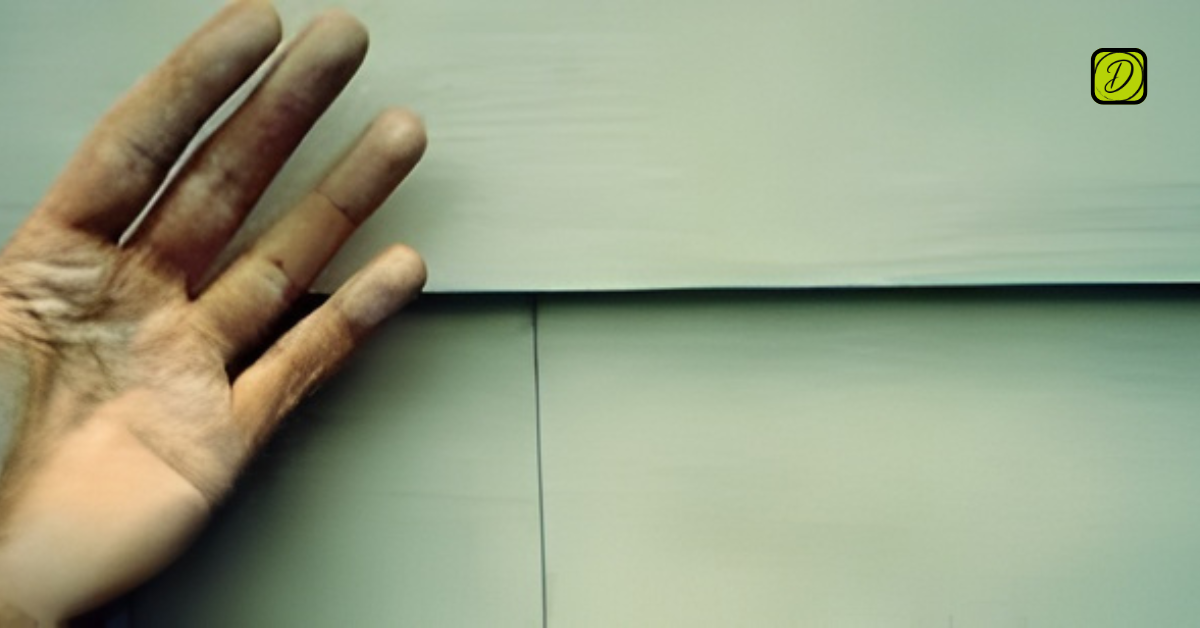
While minor chalking is normal as paint ages, excessive chalking indicates a deeper issue that requires attention. Homeowners often mistake it for dust or mildew, but unlike dirt, chalking leaves pigment on your fingers when touched.
Why Paint Chalking Happens: Main Causes Explained
1. Low-Quality Paint Formulations
Poor-quality paints contain weak binders that break down quickly under UV exposure. As a result, pigment particles lose adhesion and surface chalking accelerates. This is especially common with bargain exterior paints that lack protective additives.
2. UV Radiation and Sun Exposure
Prolonged exposure to harsh sunlight is one of the most common triggers. UV rays degrade the paint film at a molecular level, causing oxidation. Over time, the pigment becomes loose, creating the chalky substance typical of paint chalking.
3. Natural Weathering and Environmental Stress
Wind, humidity fluctuations, acid rain, and pollution all contribute to the slow erosion of paint surfaces. Exterior walls, fences, and metal surfaces are particularly vulnerable due to constant outdoor exposure.
4. Over-Thinning Paint During Application
If the paint used was excessively thinned, the binder-to-pigment ratio becomes unbalanced. This leads to premature chalking because the binder isn’t strong enough to hold pigment in place.
5. Poor Surface Preparation
Skipping essential steps—like priming, cleaning, and sanding—prevents proper adhesion. When paint doesn’t bond correctly, it deteriorates faster and forms chalky residue prematurely.
6. Incompatible Paint Layers
Applying latex paint over oil paint without proper priming often results in compatibility issues. These layers may separate or break down due to poor adhesion, leading to chalking over time.
How to Identify Paint Chalking on Walls and Exterior Surfaces
Paint Chalking Identification and Testing
Recognizing the signs early helps prevent structural and aesthetic deterioration. Common indicators include:
● Dull, faded appearance
● Powdery residue on hands when touched
● Discoloration or patchy surface tones
● Rinsing with water reveals excessive pigment runoff
To confirm paint chalking, simply rub the surface with your fingers or a dark cloth. If you see visible powder, chalking is present.
How to Fix Paint Chalking: Step-by-Step Restoration Guide
Paint Chalking Solutions for Homeowners
Correcting paint chalking properly ensures long-term paint durability. Below is the complete repair process:
Step 1: Clean the Surface Thoroughly
Before repainting or recoating, remove all chalk residue.
Cleaning Instructions
Use a garden hose or pressure washer (low settings preferred).
Mix mild detergent with water and scrub using a soft-bristle brush.
Rinse thoroughly and allow the surface to dry completely.
Removing chalk ensures the new paint layer bonds properly.
Step 2: Test for Remaining Chalking
Once the surface is dry, repeat the finger or cloth test. If chalking remains, repeat the cleaning process until the surface no longer sheds excessive powder.
Step 3: Apply High-Quality, Chalking-Resistant Primer
A primer designed for chalky surfaces significantly improves paint adhesion. Look for acrylic or masonry primers labeled:
“Chalk binder”
“Chalking-resistant”
“High adhesion primer”
This step is essential for preventing repeated paint chalking.
Step 4: Repaint With Premium Exterior-Grade Paint
Your final finish should be durable, UV-resistant, and formulated with strong acrylic binders. High-end paints reduce fading, chalking, and wear, ensuring your property maintains a fresh appearance.
Preventing Paint Chalking for Good
Preventing Future Paint Chalking
Homeowners can avoid recurring problems by following these expert prevention tips:
Use High-Binder Paints
Premium paints with acrylic binders resist degradation far longer than cheap alternatives.
Schedule Regular Maintenance
Periodic cleaning, repainting every 5–7 years, and routine inspections help spot early signs of paint chalking.
Prime Carefully Before Repainting
Never skip primer—especially on previously chalked surfaces. This creates a protective adhesion layer.
Choose the Right Paint for the Right Surface
Use exterior-grade paints outdoors and avoid applying interior formulations in harsh environments.
Avoid Over-Thinning Paint
Follow manufacturer guidelines to maintain proper binder ratios and paint thickness.
Paint Chalking and Property Value: What Homeowners Should Know
Impact on Curb Appeal and Resale Value
Homes affected by paint chalking appear dull, weathered, and poorly maintained. This directly affects perceived value and may deter potential buyers.
Real estate professionals—including those at Dedicated Real Estate, Kolkata’s top property advisory—often recommend repainting and restoring chalked surfaces before listing a property to maximize its market appeal.
Common Myths About Paint Chalking
Paint Chalking Myths and Facts
Myth 1: Chalking Only Happens to Old Paint
Even relatively new paint can chalk if applied incorrectly or made using low-quality ingredients.
Myth 2: Power-Washing Alone Fixes Chalking
While power-washing helps, it cannot replace priming and repainting.
Myth 3: Chalking Means Structural Damage
Chalking itself is cosmetic, but ignoring it can lead to moisture issues and deteriorating surface material.
Best Paint Types to Resist Chalking
Paint Chalking Resistant Finishes
Acrylic Paints
Durable, UV-resistant, and flexible—ideal for exterior walls facing weather exposure.
Elastomeric Coatings
Excellent for masonry surfaces, preventing moisture penetration and premature deterioration.
Silicone-Based Finishes
Often used in extreme climates because of their strong resistance to heat and sunlight.
Interior vs. Exterior Paint Chalking
Where Paint Chalking Occurs Most Commonly
Exterior Surfaces
Most chalking occurs outdoors due to UV exposure, pollution, dust, and weather stress.
Interior Walls
Less common indoors but may appear near sunlit windows or in poorly ventilated rooms.
Case Study Example: A Realistic Homeowner Scenario
A homeowner noticed heavy chalk residue on exterior walls exposed to strong sun. After consulting with a professional, the restoration steps included:
Pressure washing
Scrubbing with detergent
Applying a chalk-binding primer
Repainting with high-quality acrylic exterior paint
The results: no return of paint chalking after five years of maintenance.
Environmental Effects on Paint Chalking
Climate and Paint Chalking
High Humidity
Excess moisture weakens the paint film over time.
Pollution
Chemical pollutants accelerate binder degradation and fading.
Crushing Heat
Extreme temperatures speed up UV damage and oxidation.
Tools You Need to Fix Paint Chalking
Essential tools include:
Soft scrub brushes
Pressure washer
Primer rollers
Paint trays
High-quality UV-resistant paint
Having the right equipment ensures smooth restoration results.
DIY vs. Professional Help for Paint Chalking
Choosing the Best Approach
For light or medium chalking, DIY cleaning and repainting may work. But severe chalking often requires professional help, particularly when structural issues, moisture intrusion, or improper paint layering is involved.
Real estate specialists, like Dedicated Real Estate, often connect homeowners with trusted contractors to ensure long-lasting paint solutions.
Conclusion
Paint chalking may seem like a minor cosmetic flaw, but it indicates deeper paint failure that needs timely attention. Understanding its causes—UV exposure, low-quality paint, poor prep, or environmental wear—helps you choose the right steps to fix and prevent it. By cleaning thoroughly, using a quality primer, and repainting correctly, homeowners can restore beauty, durability, and value to their property.
For expert home improvement guidance and trusted property solutions, connect with Dedicated Real Estate, Kolkata’s number one real estate company.

Contact Details
Dedicated Real Estate
- Phone: +91 6291422636
- Email: info@dedicatedrealestate.in
- Website: www.dedicatedrealestate.in
Office Location: Near Thakurpukur 3A Bus Stand, Kolkata