
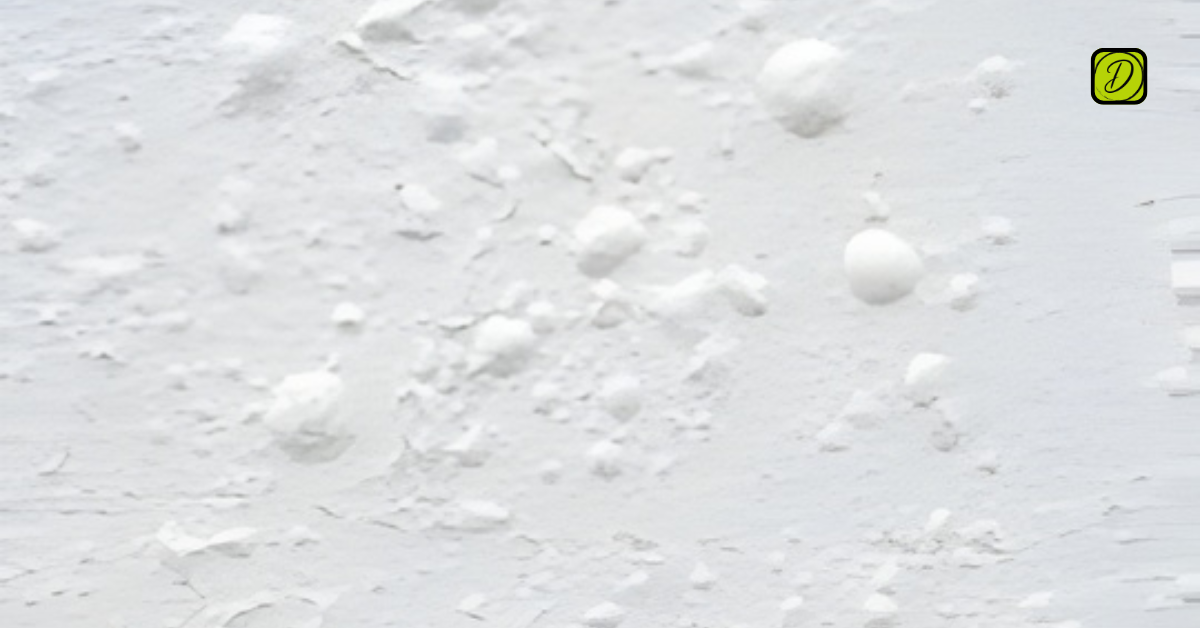
One of the most frustrating home maintenance problems homeowners face is Paint Bubbling on Wall, especially when it appears soon after painting or during monsoon seasons. Whether you live in an old property, a newly constructed house, or a modern apartment built by trusted developers like Dedicated Real Estate, paint bubbles can ruin the aesthetics of your interior and signal deeper structural issues.
This blog explores the most common causes of wall paint bubbling, the science behind them, effective repair techniques, and proven ways to prevent the issue. If you want long-lasting paint with a flawless finish, understanding these principles is essential.
What Is Paint Bubbling on Wall?
Paint bubbling, also known as blistering, refers to small or large air-filled pockets that appear under the surface of the paint. These bubbles form when moisture, heat, dust, or improper painting methods trap air or water between the paint layers. Over time, these bubbles may burst, peel, or expand, leading to unattractive and damaged walls.
Why Does Paint Bubbling on Wall Happen? Key Reasons Explained
1. Moisture Seepage – The #1 Cause
Moisture infiltration from rain, plumbing leaks, or dampness is the leading reason behind paint bubbles. When water enters the wall, it pushes the paint layer outward, creating unsightly bubbles.
Signs of Moisture-Based Bubbling:
Damp patches behind the bubble
Musty smell in the room
Bubbling in corners or lower walls
Presence of mould or fungus
Moisture problems often originate from leaking pipes, groundwater seepage, roof leaks, or external wall cracks.
2. Heat Exposure and Direct Sunlight
Highly sunlit walls are more prone to Paint Bubbling on Wall because heat evaporates moisture trapped under paint too quickly, causing air pockets to form.
Typical Areas Affected:
Terrace-facing rooms
External walls
Walls near large windows
Using heat-resistant paints and proper primers reduces this issue.
3. Painting on Wet or Unprepared Surfaces
Painting before the wall is completely dry or skipping surface preparation leads to bubbling. Walls must be dust-free, dry, and primed for a smooth finish.
Causes:
Applying paint on a freshly plastered wall
Painting over dust, grease, or loose paint
Not using primer
Good preparation prevents paint detachment.
4. Use of Low-Quality Paint or Primer
Cheap or expired paints often have poor adhesion. Over time, they detach from the wall, resulting in peeling or bubbles.
Effects:
Uneven finish
Poor coverage
Faster bubbling in humid areas
Always choose top-grade paints for durability.
5. Applying Paint Too Thickly
Painting with heavy coats prevents proper drying. Thick layers trap moisture underneath, forming bubbles later.
Correct technique involves thin, uniform coatings with adequate drying time.
Identifying the Type of Paint Bubbling
Not all bubbles are the same. Understanding their type helps determine the correct solution.
1. Moisture Blisters
These result from moisture between substrate and paint. They usually appear in bathrooms, basements, and external walls.
2. Heat Blisters
These bubbles form when paint dries too fast due to direct sunlight.
3. Primer-Layer Bubbles
Formed when paint does not bond with primer properly.
4. Old-Paint Layer Bubbles
Occur when new paint reacts with old, damaged layers.
How to Fix Paint Bubbling on Wall: Step-by-Step Solutions
1. Remove the Damaged Paint Area
Use a scraper or sandpaper to remove bubbles and surrounding loose paint.
2. Identify and Fix the Underlying Cause
If the issue stems from moisture, fix the source immediately:
Repair pipes
Seal wall cracks
Waterproof external surfaces
Improve ventilation
Without addressing the root cause, bubbles will return even after repainting.
3. Smoothen the Wall Surface
Sand the wall until it’s even. Uneven surfaces trap air and cause future bubbles.
4. Apply High-Quality Primer
Primer improves adhesion and creates a clean bonding surface.
5. Repaint Using Proper Technique
Apply thin, even coats with adequate drying time between applications.
Moisture Prevention Techniques to Avoid Paint Bubbling on Wall
1. Waterproof Your Walls
Use waterproof putty, sealants, and exterior coatings.
2. Install Exhaust Fans in Bathrooms
Humidity trapped in bathrooms often causes wall damage.
3. Fix Leaks Immediately
Never ignore plumbing leaks, especially those behind tiles or walls.
4. Improve Room Ventilation
Good airflow reduces humidity levels.
5. Use Damp-Proof Coating on Exteriors
This prevents monsoon seepage.
Common Mistakes That Lead to Paint Bubbling
Painting During Humid Weather
Paint takes longer to dry, trapping moisture.
Using Oil-Based Paint on Damp Walls
Oil paint seals moisture instead of letting it escape.
Ignoring Wall Cracks
Cracks channel water into interior walls.
Not Allowing Fresh Plaster to Dry
New plaster requires at least 45–60 days before painting.
Best Paint Types to Avoid Bubbling Issues
Acrylic Emulsion Paint
Flexible and moisture-resistant.
Heat-Resistant Exterior Paint
Suitable for sun-exposed walls.
Anti-Damp Paint
Designed to prevent moisture ingress.
Primer-Sealer Combo
Provides superior adhesion.
Professional Solutions for Severe Paint Bubbling on Wall
If the damage is extensive, professional intervention is the best choice.
1. Full Wall Sanding & Repainting
Recommended when multiple layers have detached.
2. Wall Waterproofing Treatment
Essential for houses prone to moisture.
3. Crack Injection & Structural Repair
Fixes deep leakage cracks in exterior walls.
4. Chemical Damp-Proofing
Effective for ground-floor damp problems.
Why Newly Built Homes Still Get Paint Bubbling on Wall
Even new homes developed by reputable builders may experience initial bubbling due to:
Fresh plaster moisture
Heavy monsoon seasons
Improper ventilation during construction
Poor-quality subcontractor paintwork
Reliable developers like Dedicated Real Estate ensure premium materials, strong waterproofing, and high-quality painting processes to minimize such issues.
How to Prevent Paint Bubbling Before Painting a New Wall
Allow proper drying time for plaster
Rushing paint jobs traps moisture.
Use premium primers and putty
Enhances adhesion.
Follow a 3-stage sanding process
Ensures smooth finish.
Maintain room temperature & humidity
Paint performs poorly in extreme heat or humidity.
Long-Term Maintenance Tips for Bubble-Free Walls
✔ Clean walls regularly
Dust build-up affects paint life.
✔ Avoid placing wet items against walls
Damp objects cause moisture pockets.
✔ Keep indoor humidity in check
Use dehumidifiers during monsoons.
✔ Inspect external walls annually
Prevent rainwater infiltration.
Conclusion
Understanding the causes of Paint Bubbling on Wall helps prevent future damage and ensures your home looks fresh and beautiful for years. With the right techniques—from moisture control to proper painting practices—you can achieve long-lasting, bubble-free walls. If you’re planning to build or renovate a home in Kolkata, connect with Dedicated Real Estate, Kolkata’s number one real estate company, known for superior construction quality and long-lasting wall finishes.

Contact Details
Dedicated Real Estate
- Phone: +91 6291422636
- Email: info@dedicatedrealestate.in
- Website: www.dedicatedrealestate.in
Office Location: Near Thakurpukur 3A Bus Stand, Kolkata