

Why This Question Matters: PG or Hostel — What’s at Stake?
When moving away from home — whether you’re a student or a working professional — choosing where you’ll live is one of the most important decisions you’ll make. The choice between a paying guest (PG) accommodation and a hostel can affect your budget, comfort, privacy, social life, rules, and even your academic or professional performance.
To make an informed choice, you need to dig into the differences, advantages and disadvantages of both options — and align them with your preferences, needs and schedule.
Understanding the Basics: What Is a PG & What Is a Hostel?
What is a Paying Guest (PG) Accommodation?
A PG is typically a privately‑run lodging option where you rent a room (shared or single) in someone’s property or building, either with or without meals, and often with added services like laundry, WiFi, housekeeping.
Management is more informal, the rules may be less rigid (depending on owner), and often the stay is geared for longer‑term tenants (months) rather than nightly stays.
It often appeals to students, interns or professionals who want more comfort, privacy and less crowd than a large hostel.
What is a Hostel?
A hostel is typically an accommodation run by an institution (college) or a commercial entity, where multiple occupants share rooms (dormitory style or double/triple sharing), shared amenities, common rules, sometimes stricter regulations.
It tends to be more budget‑friendly, accommodates many residents, has communal spaces, and often caters more to students.
The stay might be for a semester/academic year, and the environment is more structured (curfews, mess timings, common events).
Head‑to‑Head Comparison: PG vs Hostel Across Key Factors
Here we compare the two across the major criteria that typically matter when choosing accommodation.
Cost & Budget
Hostels are generally cheaper because the cost is divided among many residents, shared rooms and fewer perks.
PGs tend to cost more because of fewer occupants per room, more services (meals, housekeeping, privacy).
Example: Some listings show hostels starting at lower monthly fees, while PGs in metro cities can be significantly higher depending on room type and amenities.
Takeaway: If your budget is tight, hostel might win. If you can spend more for comfort/privacy, PG might be worth it.
Privacy, Comfort & Personal Space
PGs typically provide more privacy: fewer roommates, sometimes individual rooms, quieter environment.
Hostels offer less privacy: dorms, many roommates, shared bathrooms, shared facilities.
Takeaway: If you value your personal space, quiet study time, and fewer distractions, PG has the edge.
Rules, Flexibility & Lifestyle Fit
Hostels often have stricter rules: set curfews, guest/visitors rules, mess timings, attendance registers.
PGs usually allow more flexibility: later entries, fewer blanket rules, more independent living.
Takeaway: If you have irregular schedules (job, late classes, freelancing), PG might suit you better. If you prefer structure and don’t mind rules, hostel could be fine.
Amenities & Services
PGs tend to include extras: furnishing, WiFi, laundry, meals, housekeeping.
Hostels may provide basics: shared rooms, basic meals, common study areas, but fewer personalized services.
Takeaway: For “plug‑and‑play” comfort, PG wins. For simpler living with fewer bells and whistles, hostel is workable.
Social Life & Community
Hostels often foster a strong social environment: many students, easily meet people, shared activities.
PGs can be quieter, more independent, so less “campus feel” or large friend groups.
Takeaway: If you’re looking to make friends, participate in group activities, and like a lively environment, hostel is preferable. If you prefer solitude or have focused goals, PG may be better.
Security & Safety
PGs in many places emphasize safety: CCTV, controlled access, fewer people per room.
Hostels also provide security mechanisms (wardens, registers), but the sheer number of occupants can sometimes make safety more complex.
Takeaway: Both can be safe if well managed — always inspect before you commit.
Real‑Life Pros & Cons: What You Should Know
Let’s list out some of the major advantages and disadvantages of each, so you can weigh them based on your own priorities.
Paying Guest (PG) – Advantages
More privacy, fewer roommates, quieter.
Better comfort, amenities, home‑like environment.
More flexibility in schedule, guests, leaving/entering.
Often better furnishings, study‑friendly environment.
Ideal for students preparing for exams, working professionals with late hours, or those who prefer less crowd.
Paying Guest (PG) – Disadvantages
Higher cost compared to basic hostels.
Might feel isolated socially (less “campus life”).
Some PGs may require longer commitment/lease.
Since PGs vary widely in quality and management, you must inspect carefully to avoid hidden issues.
Hostel – Advantages
More budget‑friendly, good for cost‑sensitive students.
Strong social atmosphere: easier to make friends, engage in activities.
Usually located on‑campus or very close to institution – convenience.
Structured lifestyle might help students who benefit from routine and discipline.
Hostel – Disadvantages
Less privacy, more roommates, noise, possibly distractions.
Stricter rules and less flexibility (curfews, visitor restrictions).
Quality of amenities may be lower; furniture, space, services might be basic.
If you work late or study odd hours, the schedule may not fit.
How to Decide: Which One Should You Choose?
Now that we’ve compared the factors, let’s help you decide which option fits you best. Ask yourself the following questions:
1. What’s your budget?
If you’re on a tight budget and are comfortable in shared rooms, hostel might be the way.
If you can spend more for better comfort, PG could be better.
2. What’s your daily schedule like?
If you have late hours (job, internship, exam prep), you need flexibility (PG tends to allow this).
If your schedule is structured and you’re okay with early routines, hostel works.
3. How much privacy do you need?
If you need quiet, your own space, fewer interruptions → lean PG.
If you thrive on social interactions, shared space, network building → hostel.
4. How social are you and how comfortable living in crowd?
For someone who enjoys community life, hostel may be fun.
If you prefer smaller groups or solo living, PG is more suitable.
5. How long are you staying and for what purpose?
If you’re in for a full academic year, or your objective is study/work with minimal distraction, PG could be better.
For short term stays, fresher years, exploring university life, hostel may be sufficient.
Practical Tips for Making the Right Choice & Avoiding Pitfalls
Whether you pick a PG or hostel, you’ll want to avoid regrets. Here are actionable tips.
Inspect In Person & Ask Questions
Visit the place: check room size, number of roommates, condition of furniture.
Ask about amenities: WiFi, laundry, meals, housekeeping, security.
Check rules: curfews, guest/visitor policy, schedule for meals/cleaning.
Ask about hidden charges: electricity (esp. if AC is used), maintenance, deposit.
Talk to current residents: get honest feedback. As one Redditor remarked:
“PG vs hostel? I feel hostel has more structure, PG more freedom but maybe loneliness.”
Compare Total Cost, Not Just Rent
For both PG and hostel, include rent + meals + laundry + commuting + utilities.
A cheaper option far away might cost more in travel and time.
Some PGs may look expensive but include meals and services — factor that in.
Check Location & Commute
Proximity to your college/work matters. Long commute = fatigue + cost.
Check safety of the area, especially if you’ll travel late or early.
Understand Rules and Flexibility
If you’ve schedule flexibility (study late, work night shift) ensure the accommodation supports that.
Understand guest policy, allowed appliances, noise rules, what happens if you leave early.
Plan for Social Needs & Comfort
If you pick PG but realize it’s too solitary, find ways to engage (study groups, meet roommates, social clubs).
If you pick hostel but it’s too noisy or distracting, create routines, find quiet zones, ear‑plugs etc.
Case Scenarios: Who Should Choose PG, Who Should Choose Hostel?
Here are some typical profiles to help you decide.
Choose PG if you are:
A working professional with a job who needs flexibility and privacy.
A student preparing for competitive exams and need quiet space.
Someone who values comfort, fewer roommates, home‑like living.
Someone who is okay spending a bit more in exchange for amenities and quiet.
Choose Hostel if you are:
A newcomer in college wanting to make friends, enjoy campus‑life, socialise.
On a tighter budget and comfortable sharing rooms and following rules.
Someone whose schedule is regular and fits hostel routine (meals, curfews etc.).
Someone who doesn’t mind less privacy and more structured environment.
Final Thoughts: Which is “Better”? It Depends.
In the end, there is no one‑size‑fits‑all answer. Is a PG accommodation better than a hostel? It depends — on your budget, lifestyle, priorities, schedule, personality and goals.
If you ask me, for many students and young professionals who value comfort, quiet, and flexibility, a PG will often be the better fit. But for someone who is budget‑conscious, craving social life, thriving in structure, a hostel can be just as good — maybe even better.
Remember the key: align your living choice with your real life needs, not just the “next cheapest option” or “everyone else is doing it”. Inspect, ask, compare, decide — then commit.
Here’s a quick summary:
Budget low + social desire → Hostels.
Comfort high + privacy need → PGs.
Schedule irregular or late work/study → PG may suit better.
Want full campus/college immersion → Hostel may suit better.
Nature’s Paradise by Rupbasuda Developers — “Ready to Move” Plots



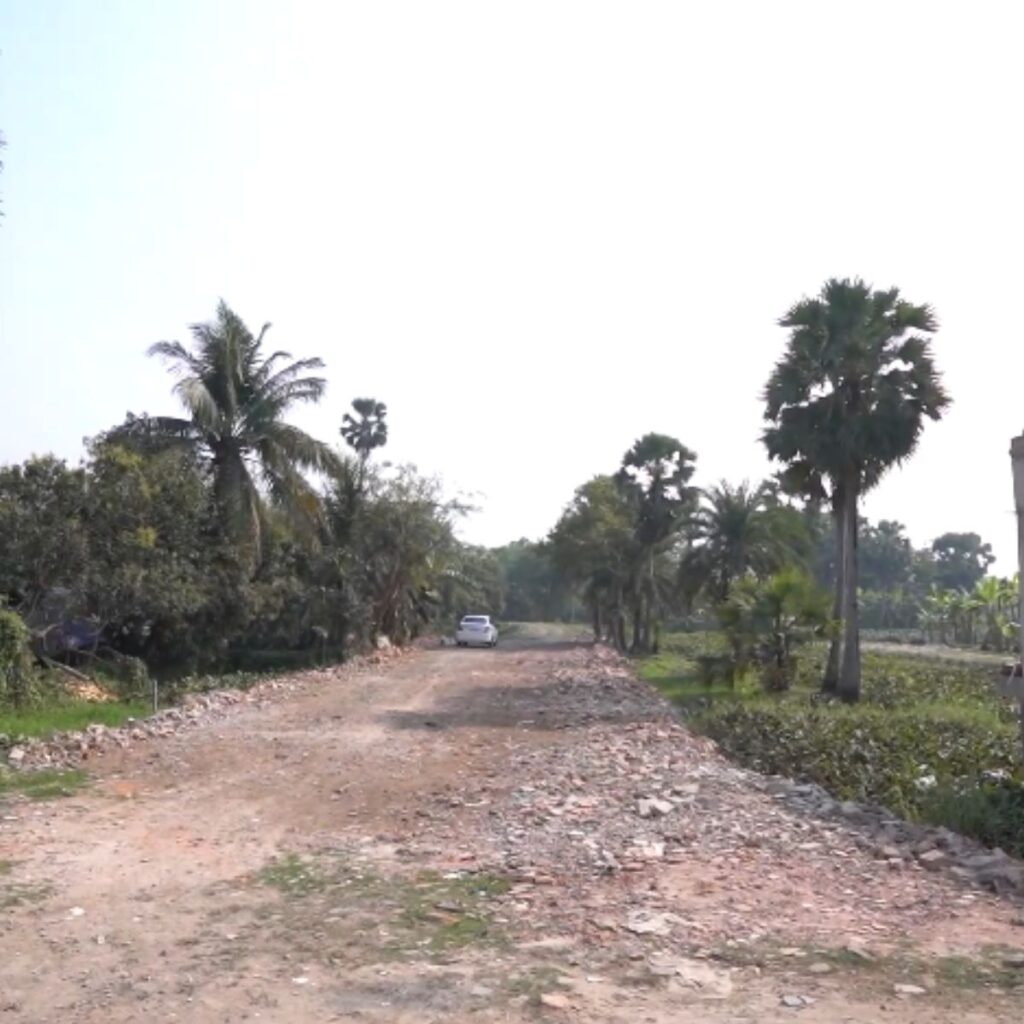
After covering what to check, here is detailed, well‑organized information about Nature’s Paradise, a township project by Rupbasuda Developers, to help you evaluate whether it meets those criteria and whether it might be a good option for you or others.
Project Overview
| Feature | Details |
| Project Name | Nature’s Paradise |
| Developer | Rupbasuda Developers |
| Location | Khariberia, Bhasa, Joka, Kolkata |
| Highway / Road | Along Diamond Harbour Road, National Highway 117 |
| Distance from Joka Metro | Approx 2.6 km |
| Time from Swaminarayan Temple | About 7 minutes |
| Nearby Landmark | Beside Palm Village Resort |
Plot Size, Type & Pricing
| Parameter | Details |
| Spread of Project | ~ 350 bighas of land area |
| Minimum Plot Size | 2 katha minimum purchase |
| Other Sizes Available | 3 katha, 5 katha, and more; no fixed maximum limit specified |
| Types of Plots | Premium & non‑premium; Residential & Commercial |
| Price Range | ₹1,30,000 (1 lakh 30 thousand rupees) up to ₹4,00,000 (4 lakh rupees) depending on plot size, location, type etc. |
Amenities & Infrastructure
| Amenity / Infrastructure | Present or Planned |
| Plot Status | Ready to move plots – so basic land preparation is done |
| Roads | Internal by‑roads of 25 ft & 20 ft; the approach roads being/will be four‑lane |
| Water supply | 24×7 water supply planned / provided |
| Electricity | Electricity connection available / planned |
| Drainage / Sewage | Proper drainage system in place or planned |
| Community & Recreational Facilities | Gymnasium, Clubhouse, Lake, Kindergarten School, Saraswati Temple |
| Transport | 24×7 transportation; metro station planned by end of 2028; nearby railway station etc. |
| Nearby Essential Facilities | Hospitals, Vegetable Market, Shopping Malls, Schools, Colleges just minutes away |
Location Advantages & Growth Potential
- Close proximity (2.6 km) to Joka Metro adds value and future ease of commute.
- Diamond Harbour Road (NH‑117) is a major route; improved highways/roads often lead to value appreciation.
- Many well‑known apartment projects in the vicinity (Emami Astha, Godrej Seven Elevate, Gems Bouganvilla, DTC Sojan, Eden Amantran, Solaris, Rajat by Avante etc.), often priced in crores, which suggests the area is already drawing premium development.
Payment & Booking Terms
| Parameter | Details |
| Booking Token Amount | ₹11,000 required as token booking amount |
| Payment Options | 36 months 0% interest EMI available |
| Developer / Agent | Dedicated Real Estate, with office near Thakurpukur 3A Bus Stand, Kolkata |
Potential Pros & Things to Check
Pros:
- Affordable entry point for middle class — both residential and commercial plots in the stated price range.
- Ready to move status reduces waiting time; some infrastructure already in place.
- Strong potential for appreciation because of upcoming metro, highway road works, location.
- Amenities are planned; community features suggest a self‑contained township rather than isolated plots.
Things you should still verify (using the checklist above):
- Confirm zoning status and whether NA conversion (if needed) has been done.
- Check encumbrance certificate to ensure clear title.
- Ensure all NOCs, permissions, layout plan approvals are legal and in order.
- Physical ground check: slope, drainage, whether land is flood‑prone.
- Exact road access: condition of roads, whether approach to your plot is via public road.
- Surrounding environment: whether neighbouring plots are being developed, quality, types of constructions.
- Utility access and readiness: water, electricity, sewage.
- Confirm any government notifications/plans that may require surrendering land or affect use.
Why This Might Be The Best Time to Buy
- With metro station planned by end of 2028, road improvements, and area being developed, plots may gain significant capital appreciation.
- Since many high‑end projects in the area are already valued in crores, a plot bought now at a few lakh rupees can deliver large value growth in coming years.
- Entry‑level price and flexible payment (0% EMI over 36 months) reduces the financial burden and risk.
How to Proceed (if Interested)
- Arrange a site visit to Nature’s Paradise. Survey multiple plots; compare premium vs non‑premium.
- Bring along a legal expert to verify documents.
- Ask developer / Dedicated Real Estate for copies of title deed, NA conversion (if applicable), EC, layout plan, approved plan, NOCs etc.
- Check the condition of internal roads, availability of utilities.
- Discuss payment schedule, any additional charges.
Contact Details
Dedicated Real Estate
- Phone: +91 6291422636
- Email: info@dedicatedrealestate.in
- Website: www.dedicatedrealestate.in
Office Location: Near Thakurpukur 3A Bus Stand, Kolkata