
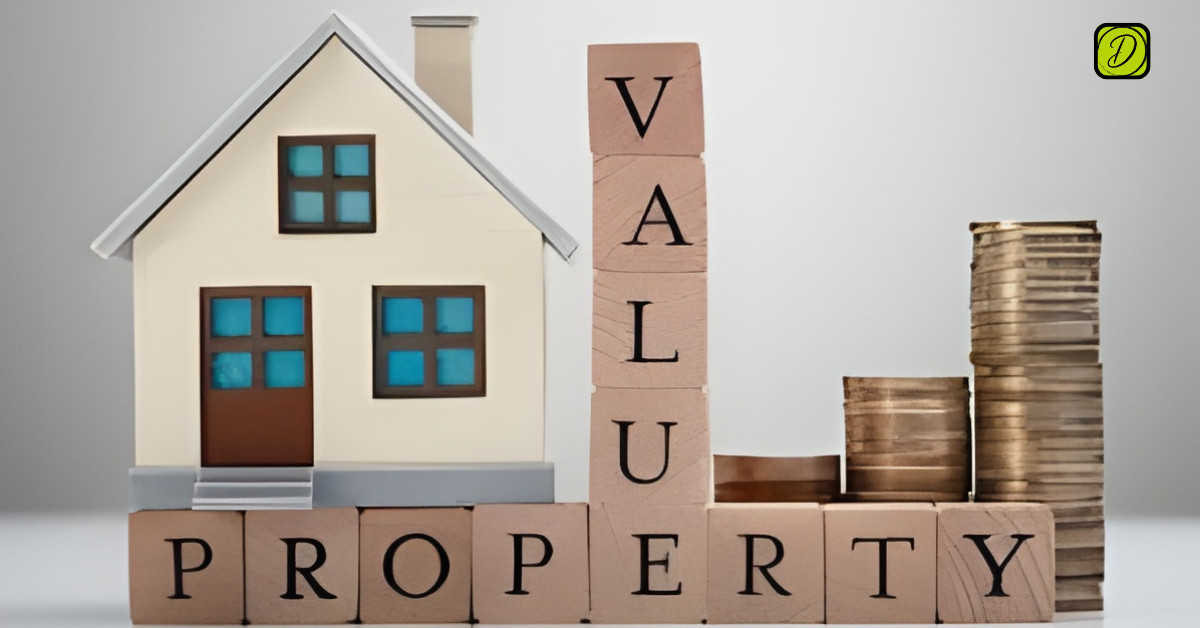
If you’ve ever thought, “How much would someone pay for my house?”, you’re not alone. Whether you’re planning to sell, refinance, insure, or simply curious, getting a realistic valuation is critical. Yet many homeowners rely on guesswork, online estimates, or outdated assumptions—and end up overpricing or undervaluing their most valuable asset. In this post, you’ll learn how professional valuers estimate your home’s worth, the methods involved, how to do your own valuation check, pitfalls to avoid, and actionable ways to boost your property’s value before a sale.
Why Accurate Home Valuation Matters
Knowing the real value of your home is important for many reasons:
Listing price optimization: A price set too high may deter buyers; too low means you leave money on the table.
Refinancing or loan applications: Lenders require valuations to approve mortgages or home equity lines.
Tax, insurance, and estate planning: Accurate valuation ensures you’re insured for the right amount, pay property taxes fairly, or assign assets correctly.
Negotiation leverage: If you truly know your home’s value, you can counter lowball offers.
Avoiding surprises: Overestimating might lead to a stalled sale; underestimating may hamper your financial strategy.
Because your home is often one of your largest assets, a small error in valuation can cost you tens of thousands in lost value or negotiation leverage.
Key Factors That Drive House Value
Let’s dig into what actually influences a house’s value. These are the core levers appraisers and buyers look at.
Location & Neighborhood Attributes
“Location, location, location” isn’t a cliché—it’s foundational. Some location-based factors include:
Proximity to schools, hospitals, transit, shopping, and amenities
View, frontage, neighborhood prestige
Noise, traffic, pollution, flood risk, crime rates
Future infrastructure plans or upcoming developments
Local market demand and sale activity
Even two houses alike in structure can differ wildly in value if one is in a premium street and the other in a less desirable block.
Size, Layout & Usable Space
Built-up area / carpet area / usable floor area: More livable space typically adds value.
Number of bedrooms, baths, garage, storage: Each extra room or bath can have a significant marginal value.
Functional layout: Good flow, minimal dead space, open plan design often carry a premium.
Usable outdoor space, balconies, terraces, yard: These add to real utility.
However, note that not all space counts equally (unusable basements, crawl spaces, sloped roofs, etc., may be discounted).
Age, Condition & Upgrades
A newer, well-maintained house commands a higher price.
Structural integrity (foundation, roofing, plumbing, electrical) is critical.
Recent renovations—kitchen, bathrooms, wiring, flooring—boost appeal.
Quality of materials, finishes, fixtures matter significantly.
Energy efficiency, smart upgrades, sustainability features increasingly influence valuations.
Curb appeal, landscaping, and first impressions also contribute.
Well‑kept homes with minimal repairs needed tend to attract stronger buyers.
Legal & Market / Economic Influences
Clear title, no legal disputes or encumbrances: A clean legal standing is essential.
Local regulations / zoning / permitted uses: Restrictions on use, building height, setbacks, FAR (floor area ratio) can limit value.
Market dynamics / supply & demand: If many homes are on sale, values may squeeze.
Interest rates, inflation, economic health: These macro factors affect buyer capacity and price sensitivity.
Comparable sales trends: Recent sale prices of similar homes heavily anchor valuation.
Understanding all these factors helps you contextualize what truly drives your home’s worth.
Common Valuation Methods Explained
Professional valuers typically use one or more of the following methods (depending on property type, availability of data, etc.). Let’s break each down.
Sales Comparison / Comparable Approach
This is the most commonly used method for residential properties.
The idea: find recently sold comparable properties (comps) in the same area, adjust for differences, and derive value.
You compare on features: size, age, condition, number of rooms, amenities, lot, etc.
Adjust upward or downward based on differences (if your house has a better view, more upgrades, etc.).
This approach is anchored in the principle of substitution: a rational buyer wouldn’t pay more for your home than a similar substitute.
It works best where good data on comparable transactions exists.
Pros: intuitive; market‑driven.
Cons: adjusting accurately is tricky; if the comps are far away or differ significantly, the result may be off.
Cost Approach (Replacement / Reconstruction)
Also known as the “cost to build” approach:
Estimate cost to rebuild or replace the property at current costs (materials, labor), then subtract depreciation (wear & tear, age).
Add the land value separately (land doesn’t depreciate the same way).
Value = Land Value + (Replacement Cost – Depreciation)
This is more used for new properties or in markets lacking transaction data. It’s less reliable for older homes, where depreciation is complex.
Income / Capitalization Approach
Primarily used for rental properties or income‑generating properties:
Estimate net operating income (NOI) (rent minus expenses).
Apply a capitalization rate (cap rate) to that income to derive value:
Value=NOICap Rate\text{Value} = \frac{\text{NOI}}{\text{Cap Rate}}
This works best for investment or multi‑unit dwellings rather than one‑family houses.
Hybrid & Automated Valuation Models (AVMs)
Many online platforms (Zillow’s “Zestimate”, etc.) use machine learning or statistical models to estimate value based on large datasets and algorithms.
They typically use a blend of comparable sales data, property attributes, and historical trends.
These models are growing more sophisticated, and academic research shows combining image, geospatial, and textual data can improve predictions.
But AVMs are “blind” to nuances (quality of finishes, hidden damage, legal issues) and can misestimate in low‑data areas.
AVMs are a useful rough check, but you should always validate with other methods and local insight.
Step‑by‑Step: How to Get an Accurate Valuation
Here’s how you can personally approach a solid estimation, possibly in tandem with a professional.
Gather Local Comparables
Collect recent sales (last 6–12 months) of similar properties in your area.
Use official records (registry, municipal) or real‑estate portals.
Note differences (size, amenities, conditions) and adjust.
For example, if a comp sold at $100 per sq ft but your house has an extra bathroom or premium view, adjust upward (or downward if you lack those features).
Beware outliers or distressed sales—they may skew the average.
Engage a Professional Appraiser / Valuer
A licensed valuer or real estate appraiser will inspect your property, gather data, and issue a formal valuation report.
They have access to more granular data, professional knowledge, and methods.
They can factor in legal issues, depreciation, structural defects, etc.
Their valuation has more weight with banks, buyers, legal use.
Get more than one valuation to compare. A conservative and an aggressive estimate gives you a band.
Use Online Valuation Tools Wisely
Use multiple AVM / online home estimate tools as a sanity check (don’t trust just one).
Compare those estimates with your manual comparable‑based estimate.
Understand their limitations: they may overvalue homes in low transaction zones or undervalue unique properties.
Make adjustments to AVM outputs based on what you know (e.g. upgrades, unsold condition).
Adjust for Unique Features & Addenda
After your base estimate, adjust for extras: premium views, high-end finishes, smart systems, landscaping, legal approvals, basement, attic, pool, etc.
Discount for defects or liabilities: structural issues, legal encumbrances, pending repairs, outdated systems, poor insulation, flood risk, access issues.
Use conservative adjustments; avoid over-optimism.
Put together a final value range (low–high) rather than a single figure.
Mistakes & Pitfalls to Avoid in Valuation
Relying on just one comparable sale or outlier data.
Ignoring time adjustments (inflation, market shifts) in comparable sales.
Overestimating premiums for aesthetic features.
Underestimating depreciation, structural issues, or hidden defects.
Blindly believing online estimates without validation.
Forgetting legal / title issues or encumbrances.
Overpricing out of emotion (you love your home, but buyers judge differently).
Not considering selling / transaction costs, which affect “net realized value.”
Assuming perfect liquidity; actual selling may require steep discounts.
Being aware of these pitfalls helps you produce a more grounded, realistic valuation.
How to Increase the Value Before You Sell
Once you’ve assessed your home’s current valuation, you can actively boost it (or at least avoid value erosion). Some impactful improvements:
Make essential repairs & maintenance: fix leaks, cracks, plumbing, electrical faults.
Update kitchen & bathrooms: modern fixtures, good finishes, functional design.
Paint (interior & exterior), refresh flooring: cosmetically refreshing yields good ROI.
Improve curb appeal: tidy landscaping, clean driveway, attractive front entrance.
Energy efficiency & green upgrades: better insulation, solar panels, efficient windows.
Add usable space: finishing basement, attic, adding a room or bathroom.
Smart tech / home automation: security systems, smart thermostats.
Legal / documentation tidy‑ups: ensure clear title, permits, approvals in place.
As Housing.com suggests, factors like condition, upgrades, layout, and legal clarity seriously influence final value.
Also, NoBroker recommends aligning upgrades with buyer expectations in local markets.
When done right, even modest investments (paint, staging, landscaping) can shift buyer perception and raise the realizable price.
Real‑Life Example / Scenario
To bring it alive, let’s walk through a hypothetical:
House A: 2,000 sq ft, 3 beds, 2 baths, moderate condition, in a desirable neighborhood.
Recent comparables in the area sold at ₹5,000 per sq ft for similar houses (size, age).
Base value = 2,000 × ₹5,000 = ₹1,00,00,000
Adjust upward for premium features: + ₹2,00,000
Deduct for needed repairs: – ₹1,50,000
Final estimate = ~ ₹1,00,50,000
Meanwhile, an AVM estimate gave ₹1,10,00,000 (because it valued certain features higher). A professional valuer quotes ₹1,02,00,000. You take a conservative mid‑band (₹1,00,50,000 to ₹1,02,00,000) as your listing “sweet spot.”
This multi‑method triangulation helps reduce risk.
Final Thoughts & Action Plan
Use multiple valuation methods (comparables, cost, income) and triangulate.
Engage a credible, local appraiser to get a formal valuation.
Don’t rely solely on online tools—they are guides, not gospel.
Be brutally honest in adjusting for defects or liabilities.
Use the valuation not as a fixed number but as a range, giving room for negotiation.
Invest smartly in improvements that yield high return (kitchens, bathrooms, curb appeal).
Ensure all legal, title, permit, and documentation aspects are clean.
Action steps you can take now:
Collect 3–5 recent comparable sales nearby.
Plug into online estimates to get a rough idea.
Hire a professional valuer for a formal inspection.
Audit your home’s condition & list must‑fix repairs.
Decide on renovations/improvements worth doing.
Arrive at your target listing price band (low–high).
Market your home with confidence using data to back price.
Nature’s Paradise by Rupbasuda Developers — “Ready to Move” Plots
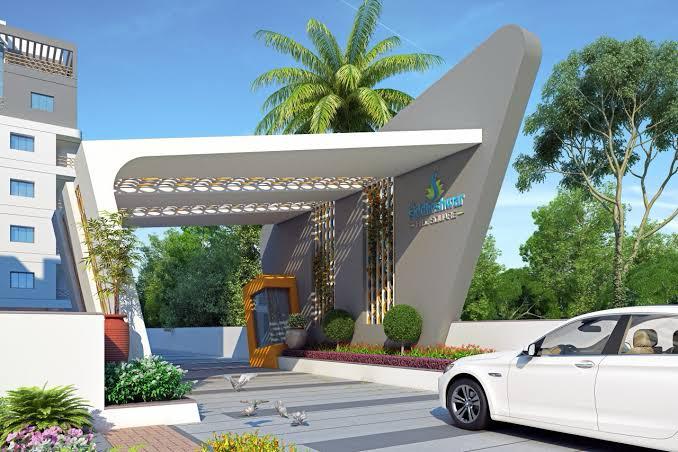
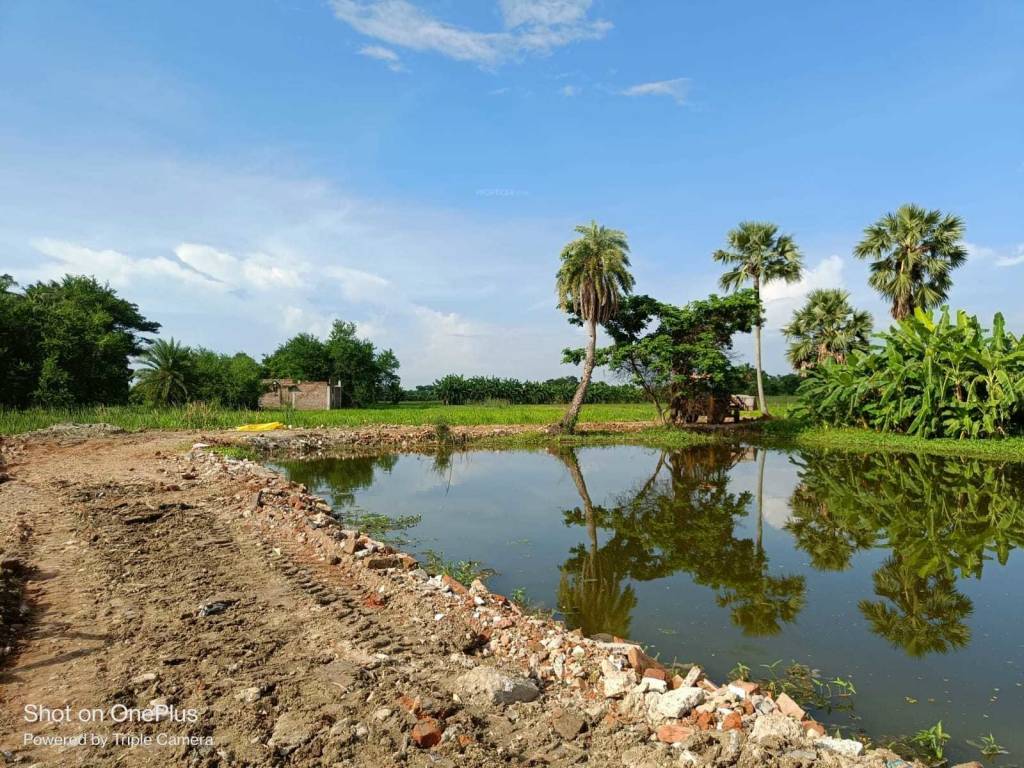

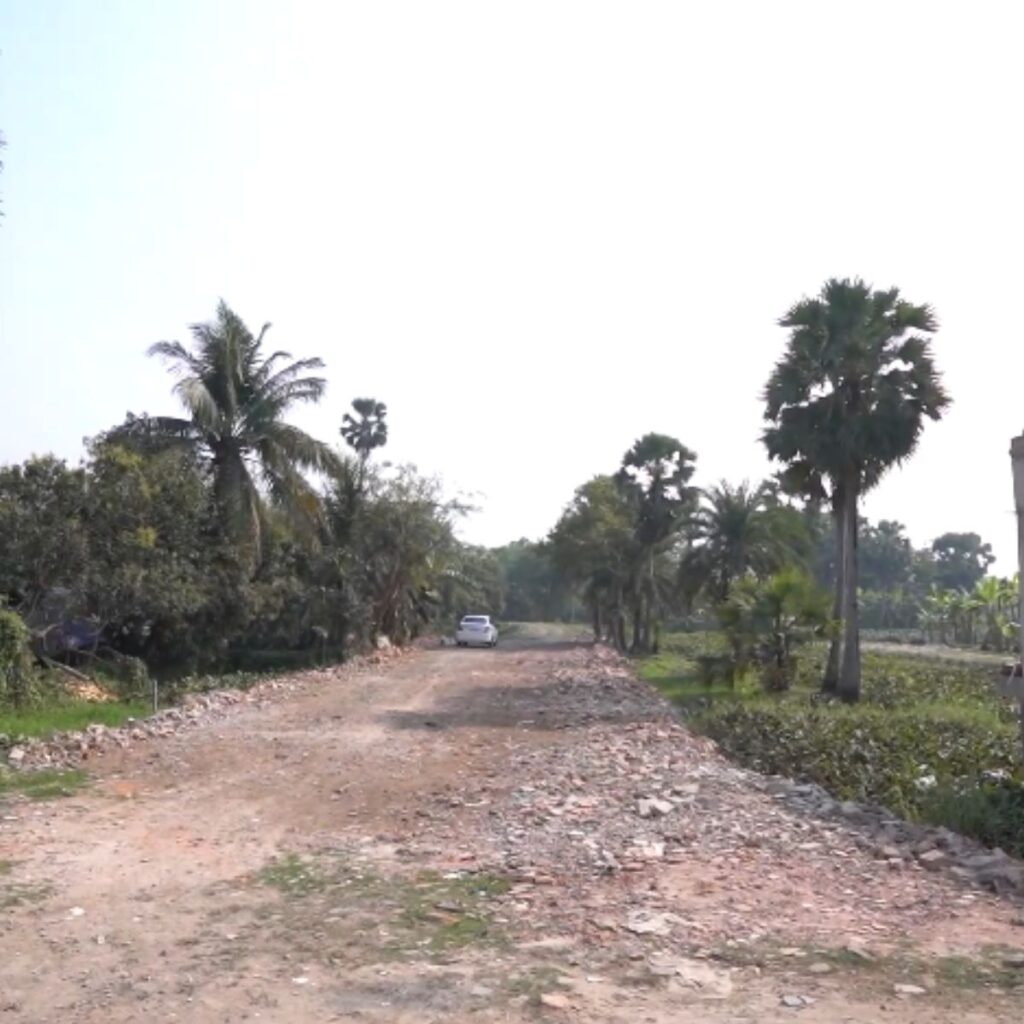
After covering what to check, here is detailed, well‑organized information about Nature’s Paradise, a township project by Rupbasuda Developers, to help you evaluate whether it meets those criteria and whether it might be a good option for you or others.
Project Overview
| Feature | Details |
| Project Name | Nature’s Paradise |
| Developer | Rupbasuda Developers |
| Location | Khariberia, Bhasa, Joka, Kolkata |
| Highway / Road | Along Diamond Harbour Road, National Highway 117 |
| Distance from Joka Metro | Approx 2.6 km |
| Time from Swaminarayan Temple | About 7 minutes |
| Nearby Landmark | Beside Palm Village Resort |
Plot Size, Type & Pricing
| Parameter | Details |
| Spread of Project | ~ 350 bighas of land area |
| Minimum Plot Size | 2 katha minimum purchase |
| Other Sizes Available | 3 katha, 5 katha, and more; no fixed maximum limit specified |
| Types of Plots | Premium & non‑premium; Residential & Commercial |
| Price Range | ₹1,30,000 (1 lakh 30 thousand rupees) up to ₹4,00,000 (4 lakh rupees) depending on plot size, location, type etc. |
Amenities & Infrastructure
| Amenity / Infrastructure | Present or Planned |
| Plot Status | Ready to move plots – so basic land preparation is done |
| Roads | Internal by‑roads of 25 ft & 20 ft; the approach roads being/will be four‑lane |
| Water supply | 24×7 water supply planned / provided |
| Electricity | Electricity connection available / planned |
| Drainage / Sewage | Proper drainage system in place or planned |
| Community & Recreational Facilities | Gymnasium, Clubhouse, Lake, Kindergarten School, Saraswati Temple |
| Transport | 24×7 transportation; metro station planned by end of 2028; nearby railway station etc. |
| Nearby Essential Facilities | Hospitals, Vegetable Market, Shopping Malls, Schools, Colleges just minutes away |
Location Advantages & Growth Potential
- Close proximity (2.6 km) to Joka Metro adds value and future ease of commute.
- Diamond Harbour Road (NH‑117) is a major route; improved highways/roads often lead to value appreciation.
- Many well‑known apartment projects in the vicinity (Emami Astha, Godrej Seven Elevate, Gems Bouganvilla, DTC Sojan, Eden Amantran, Solaris, Rajat by Avante etc.), often priced in crores, which suggests the area is already drawing premium development.
Payment & Booking Terms
| Parameter | Details |
| Booking Token Amount | ₹11,000 required as token booking amount |
| Payment Options | 36 months 0% interest EMI available |
| Developer / Agent | Dedicated Real Estate, with office near Thakurpukur 3A Bus Stand, Kolkata |
Potential Pros & Things to Check
Pros:
- Affordable entry point for middle class — both residential and commercial plots in the stated price range.
- Ready to move status reduces waiting time; some infrastructure already in place.
- Strong potential for appreciation because of upcoming metro, highway road works, location.
- Amenities are planned; community features suggest a self‑contained township rather than isolated plots.
Things you should still verify (using the checklist above):
- Confirm zoning status and whether NA conversion (if needed) has been done.
- Check encumbrance certificate to ensure clear title.
- Ensure all NOCs, permissions, layout plan approvals are legal and in order.
- Physical ground check: slope, drainage, whether land is flood‑prone.
- Exact road access: condition of roads, whether approach to your plot is via public road.
- Surrounding environment: whether neighbouring plots are being developed, quality, types of constructions.
- Utility access and readiness: water, electricity, sewage.
- Confirm any government notifications/plans that may require surrendering land or affect use.
Why This Might Be The Best Time to Buy
- With metro station planned by end of 2028, road improvements, and area being developed, plots may gain significant capital appreciation.
- Since many high‑end projects in the area are already valued in crores, a plot bought now at a few lakh rupees can deliver large value growth in coming years.
- Entry‑level price and flexible payment (0% EMI over 36 months) reduces the financial burden and risk.
How to Proceed (if Interested)
- Arrange a site visit to Nature’s Paradise. Survey multiple plots; compare premium vs non‑premium.
- Bring along a legal expert to verify documents.
- Ask developer / Dedicated Real Estate for copies of title deed, NA conversion (if applicable), EC, layout plan, approved plan, NOCs etc.
- Check the condition of internal roads, availability of utilities.
- Discuss payment schedule, any additional charges.
Contact Details
Dedicated Real Estate
- Phone: +91 6291422636
- Email: info@dedicatedrealestate.in
- Website: www.dedicatedrealestate.in
Office Location: Near Thakurpukur 3A Bus Stand, Kolkata