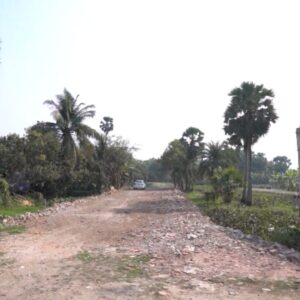
Real estate in Kolkata has always had many moving parts—location, infrastructure, demand, regulatory frameworks. Among these, government allotment schemes by bodies like WBHIDCO (West Bengal Housing Infrastructure Development Corporation) and KMDA (Kolkata Metropolitan Development Authority) exert strong influence on plot rates. This blog analyses how much these schemes shape plot prices, what drives those effects, what buyers should know, and whether government‑allotted plots provide an edge or risk.
Overview of Government Allotment Schemes in and around Kolkata
WBHIDCO: Role, Major Schemes, Lease Premiums
WBHIDCO is a major planner & developer in Rajarhat‑New Town and other action areas. It enables plotted schemes, infrastructure development, lease‑based allotment schemes, lottery‑based plot distributions etc.
For example, the Gitabitan Township Plot Scheme by WBHIDCO offers a number of plots on a 99‑year lease through lottery. The plots in categories A, B, C had lease premium (i.e. what allottees pay upfront for lease rights) of approximately:
Category A (~400 sq meter): ~ ₹22,54,371
Category B (~267 sq meter): ~ ₹15,09,357
Category C (~168 sq meter): ~ ₹9,43,703
These rates form a benchmark. Even though the plots are allotted via lottery, the premium is set high to reflect infrastructure and planning costs, location, etc.
KMDA Allotments & Auctions: Freehold & Leasehold Plots
KMDA has traditionally leased out plots, but more recently has been auctioning freehold plots as well. For example, in 2023, KMDA announced 11 residential plots in Kasba & Rajdanga (2–4 cottahs each) to be auctioned on a freehold basis.
Also, KMDA has taken back plots which were allotted earlier but remained idle or unused by allottees, then re‑auctioned them at present market rates. This both reflects and adjusts plot value expectations.
Other Agencies & Parastatals: NKDA, KMC, etc.
Besides WBHIDCO & KMDA, agencies such as NKDA (North Kolkata Development Authority), KMC (Kolkata Municipal Corporation), Housing Board, and even specialized bodies affect supply via their own allotment / auction / lease schemes. Their allotment policies, how many plots they release, whether freehold is allowed, and in what zones, also feed into market price formation. Although specific current data for those is less publicly documented, they are part of the ecosystem that govt schemes influence.
Mechanisms by Which Government Allotment Affects Plot Rates
To understand how much influence, we need to examine the levers via which allotment schemes push plot rates up or down.
Lease Premium & Basic Price Setting
Government bodies often set lease premiums or auction opening prices based on internal valuation (including infrastructure cost, cost of acquisition, expected development around, ready reckoner or circle rate, etc.).
These set prices serve as floor benchmarks for private market deals: even resale/adjacent non‑allotted plots tend to price relative to what government is charging for comparable plots (size, location, connectivity).
Infrastructure Provision & Connectivity
Government allotments often come with promise (and usually fulfillment) of infrastructure: roads, drainage, water supply, electricity, street lighting etc. These reduce buyer’s ‘cost of readiness’. Private plots with similar location but lacking such guaranteed infrastructure often sell cheaper initially, but once infrastructure improves, their value catches up.
Proximity to important highways, metro lines, public transport etc., which govt schemes might plan or build, adds premium.
Freehold vs Leasehold Terms & Tenure Conditions
Allotted plots often are leasehold (e.g. 99 years) rather than freehold, especially under WBHIDCO or KMDA earlier. Lease terms carry risk (remaining tenure, restrictions, renewal conditions) that influence how much buyers are willing to pay.
Over time, policies may allow conversion to freehold, or auctions might directly offer freehold title. When freehold status is available, rates tend to be higher. For example, KMDA’s freehold auctions fetch higher bids.
Auction vs Lottery vs Direct Allotment Models
When plots are allotted by lottery (as in many WBHIDCO schemes), allottees pay set premiums or lease amounts, typically announced in advance. These are sometimes lower than what market could demand, especially in high demand areas. But the scarcity of such govt allotments tends to push up private plot rates.
When plots are sold via auction, bids often exceed base prices significantly, especially in prime localities. These auction results often reset market expectations: private sellers may refer to recent auctioned plot rates when pricing.
Direct allotment (where lots are sold or allotted by selection / policy priority) may offer preferential rates, but those plots may come with restrictions or slower infrastructure delivery, which may dampen premium somewhat—but still influence expectations.
Case Studies & Data: WBHIDCO & KMDA Examples
WBHIDCO Gitabitan Township Plot Scheme Rates
As noted, the Gitabitan scheme by WBHIDCO (99‑year leases) has set lease premiums for different categories: ~₹22.5 lakhs (Category A, ~400 sq m), ~₹15 lakhs (Category B, ~267 sq m), ~₹9.4 lakhs (Category C, ~168 sq m).
These plot allotments in WBHIDCO push adjacent private plot rates upward, because many buyers expect that similar level of infrastructure and planning will be applied to the surrounding area.
KMDA Plot Auctions & Idle Land Re‑takebacks & Their Effect on Market Price
KMDA’s action of taking back plots which stayed idle (no structures built, lease rent unpaid) and then re‑auctioning them at current market value illustrates how govt schemes both penalize low utilization and refresh the supply at higher effective rates. For example, plots in Kasba‑Patuli off EM Bypass allotted back in the 80s/90s at very low rates (₹15,000‑₹20,000 per cottah in some cases) were reclaimed and repositioned in auctions with much higher backend valuations.
The 2023 move where 11 small plots in Kasba & Rajdanga were to be auctioned on freehold basis shows that KMDA is opening up supply with freehold title, which increases perceived value and bids.
H3: Recent Deals & Mutually Influenced Private Plot Prices
RBI report quoted that property prices in Kolkata have gone up ~60%, highest among cities, partly driven by land‑deals by agencies like KMDA, KMC, Housing Board etc. The sale of large plots along EM Bypass by government bodies sets visible benchmarks. For example, KMC auctioned a 2‑acre plot on EM Bypass for ~₹115 crore, translating to per cottah rate (a small unit of plot size) of ~₹96 lakh in that case.
WBHIDCO’s auctions in Rajarhat (e.g. plots in/new town developments) also regularly get large bids, resetting expectations of what prime locations cost.
Pros & Cons for Buyers of Allotted Plots vs Private Plots
Advantages: Lower Initial Cost / Structured Planning / Legal Clarity
Allotted plots (especially via lottery) often give access to plots in good locations at relatively lower initial cost compared to fully private market plots. Because they come with planning and promised infrastructure, buyer doesn’t have to invest as much in groundwork.
Govt allotment brings legal clarity: title documents, standardized terms, known lease provisions, less risk of shady title or encumbrance.
Disadvantages: Restrictions, Delay, Higher Premiums Later, Lease Conditions
Allotments often have conditions: build‑within certain timeframe, pay lease rent on time, follow zoning/building rules. Violation leads to penalties, take‑back, or reversion.
If plot is leasehold, with time the remaining lease may reduce value, and freehold conversion may cost premium.
Even with initial allotment, resale price, premium demands, levies may be higher if market demand rises. Buyer may end up paying more than initial allotment premium when purchasing resale.
Infrastructure delivery may be delayed, diminishing immediate utility.
How Much Premium do Allotment Plots Fetch Over Time? Trend Analysis
Appreciation in Govt Allotment Plots in New Town, Kasba, Patuli, etc.
Plots in Kolkatas’s outskirts, especially in New Town / Rajarhat, have seen significant appreciation, especially when govt allotments (WBHIDCO) have improved connectivity (roads, metro, utilities). Buyers who got land allotments earlier benefit hugely.
Similarly, plots in Kasba‑Patuli off the Bypass, originally allotted at very low lease rates decades ago, once auctioned or taken back, show that market rates now are many times those old allotment rates. For example, KMDA reclaimed plots allotted at ₹15,000‑₹20,000 per cottah in the 80s/90s; today comparable plots would cost in lakhs per cottah (or more), depending on location and infrastructure. The Times of India
Comparison of Resale Prices vs Original Allotted / Auction Rates
When a govt body auctions a plot (freehold or leasehold with good tenure), the auction winner often pays more than market value that existed just prior. After that, private plot resales nearby often use that auction figure as reference, leading to a jump in nearby plot prices.
Also, govt scheme plots via lottery sometimes get resold; those resale rates often reflect a premium over the original allotment price—even after factoring in waiting periods, investment, etc.
What Buyers Should Check Before Investing in Govt Allotted Plots
Lease vs Freehold status & conversion possibilities
Check whether plot is leasehold or freehold. If leasehold, how many years are remaining? Are there approved or ongoing policies enabling conversion from leasehold to freehold? Because the value depends heavily on this.
For example, KMDA and WBHIDCO have been moving in some cases toward freehold auctions or conversion schemes; knowing the policy may allow you to plan for long‑term value.
Road access, connectivity, infrastructure timelines
Allotment schemes promise infrastructure, but often timelines slip. Buyers should verify whether promised roads / drainage / utilities are existing or how long they are expected. A plot in “action area” without road access or basic services is less valuable until infrastructure is in place.
Distance from major roads, public transport, metro, markets etc., significantly impacts rate. Even govt allotments see varying premium based on connectivity.
Auction terms, hidden costs, encumbrances
If the plot is via auction, check base price, reserve price, additional costs (lease rent, annual maintenance, taxes), obligations for building within certain period. Sometimes allotment comes with conditions like “must build within 3 years” or else land may revert.
Check whether there are clauses about usage type (residential / commercial), restrictions, permissible floor area, whether plots are freehold or leasehold, whether there are hidden dues or revenue payments outstanding.
Conclusion & Strategic Advice
Government allotment schemes by agencies like WBHIDCO, KMDA etc., do more than just dole out plots—they shape the benchmark for plot pricing in the region. Their lease premiums, auction rates, location selections, and infrastructure commitments push up expectations in adjacent markets. Buyers who secure plots under these schemes often gain early‑mover advantages, especially when infrastructure matures. On the flip side, lease terms, delays, and restrictions can eat into value if not carefully managed.
My strategic advice:
If you have capacity, aim to get into a government scheme plot: lottery/allotment, preferably in a location with upcoming infrastructure, and ideally with freehold or possible conversion.
Keep long‑term in view: sometimes pay higher premium now to secure location and title clarity pays off.
Do your homework: check auction results, recent transactions in nearby areas, connectivity, hidden obligations.
Don’t rely purely on advertised or initial lease premium: check resale trends and what market is paying lately.
Nature’s Paradise by Rupbasuda Developers — “Ready to Move” Plots

natures-paradise-gate After covering what to check, here is detailed, well‑organized information about Nature’s Paradise, a township project by Rupbasuda Developers, to help you evaluate whether it meets those criteria and whether it might be a good option for you or others.
Project Overview
Feature Details Project Name Nature’s Paradise Developer Rupbasuda Developers Location Khariberia, Bhasa, Joka, Kolkata Highway / Road Along Diamond Harbour Road, National Highway 117 Distance from Joka Metro Approx 2.6 km Time from Swaminarayan Temple About 7 minutes Nearby Landmark Beside Palm Village Resort Plot Size, Type & Pricing
Parameter Details Spread of Project ~ 350 bighas of land area Minimum Plot Size 2 katha minimum purchase Other Sizes Available 3 katha, 5 katha, and more; no fixed maximum limit specified Types of Plots Premium & non‑premium; Residential & Commercial Price Range ₹1,30,000 (1 lakh 30 thousand rupees) up to ₹4,00,000 (4 lakh rupees) depending on plot size, location, type etc. Amenities & Infrastructure
Amenity / Infrastructure Present or Planned Plot Status Ready to move plots – so basic land preparation is done Roads Internal by‑roads of 25 ft & 20 ft; the approach roads being/will be four‑lane Water supply 24×7 water supply planned / provided Electricity Electricity connection available / planned Drainage / Sewage Proper drainage system in place or planned Community & Recreational Facilities Gymnasium, Clubhouse, Lake, Kindergarten School, Saraswati Temple Transport 24×7 transportation; metro station planned by end of 2028; nearby railway station etc. Nearby Essential Facilities Hospitals, Vegetable Market, Shopping Malls, Schools, Colleges just minutes away Location Advantages & Growth Potential
- Close proximity (2.6 km) to Joka Metro adds value and future ease of commute.
- Diamond Harbour Road (NH‑117) is a major route; improved highways/roads often lead to value appreciation.
- Many well‑known apartment projects in the vicinity (Emami Astha, Godrej Seven Elevate, Gems Bouganvilla, DTC Sojan, Eden Amantran, Solaris, Rajat by Avante etc.), often priced in crores, which suggests the area is already drawing premium development.
Payment & Booking Terms
Parameter Details Booking Token Amount ₹11,000 required as token booking amount Payment Options 36 months 0% interest EMI available Developer / Agent Dedicated Real Estate, with office near Thakurpukur 3A Bus Stand, Kolkata Potential Pros & Things to Check
Pros:
- Affordable entry point for middle class — both residential and commercial plots in the stated price range.
- Ready to move status reduces waiting time; some infrastructure already in place.
- Strong potential for appreciation because of upcoming metro, highway road works, location.
- Amenities are planned; community features suggest a self‑contained township rather than isolated plots.
Things you should still verify (using the checklist above):
- Confirm zoning status and whether NA conversion (if needed) has been done.
- Check encumbrance certificate to ensure clear title.
- Ensure all NOCs, permissions, layout plan approvals are legal and in order.
- Physical ground check: slope, drainage, whether land is flood‑prone.
- Exact road access: condition of roads, whether approach to your plot is via public road.
- Surrounding environment: whether neighbouring plots are being developed, quality, types of constructions.
- Utility access and readiness: water, electricity, sewage.
- Confirm any government notifications/plans that may require surrendering land or affect use.
Why This Might Be The Best Time to Buy
- With metro station planned by end of 2028, road improvements, and area being developed, plots may gain significant capital appreciation.
- Since many high‑end projects in the area are already valued in crores, a plot bought now at a few lakh rupees can deliver large value growth in coming years.
- Entry‑level price and flexible payment (0% EMI over 36 months) reduces the financial burden and risk.
How to Proceed (if Interested)
- Arrange a site visit to Nature’s Paradise. Survey multiple plots; compare premium vs non‑premium.
- Bring along a legal expert to verify documents.
- Ask developer / Dedicated Real Estate for copies of title deed, NA conversion (if applicable), EC, layout plan, approved plan, NOCs etc.
- Check the condition of internal roads, availability of utilities.
- Discuss payment schedule, any additional charges.
Contact Details
- Phone: +91 6291422636
- Email: info@dedicatedrealestate.in
- Website: www.dedicatedrealestate.in
Office Location: Near Thakurpukur 3A Bus Stand, Kolkata
Dedicated Real Estate
- Close proximity (2.6 km) to Joka Metro adds value and future ease of commute.