

Airbnb has transformed the travel lodging landscape by turning spare rooms, apartments, homes, and unique spaces into global accommodations. But what really happens behind the scenes? How does Airbnb onboard hosts, manage listings, handle bookings, ensure safety and trust, make money, scale globally—and deal with challenges? In this post, we’ll pull back the curtain and explain exactly how Airbnb operates.
Origins & Evolution of Airbnb
From AirBed & Breakfast to Global Marketplace
Airbnb began in 2007–2008 when co‑founders Brian Chesky, Joe Gebbia, and Nathan Blecharczyk launched what was then called AirBed & Breakfast, letting people rent out spare beds during conferences.
What started as a way to monetize spare space and offer more affordable lodging has since grown into a massive two‑sided marketplace linking hosts (people with space to share) and guests (people seeking stays). Today, Airbnb operates in over 220 countries and has millions of active listings worldwide.
Expansion into Experiences and Premium Segments
Over time, Airbnb expanded its offerings beyond just stays:
Experiences: Local tours, activities, classes offered by hosts or experience providers.
Premium / luxury segments: “Airbnb Plus”, “Airbnb Luxe”, etc., to cater to travelers seeking higher‑end stays or verified homes.
New services or verticals: Additional offerings beyond lodging to enhance the guest or host experience.
These expansions help Airbnb tap into different customer segments, increase average revenue per booking, and reduce dependence on core lodging alone.
Core Components of Airbnb’s Operational Model
To understand how Airbnb operates, we need to look at its major components: how hosts are onboarded, how guests find and book, how safety & quality are maintained, and how technology underlies much of the process.
Host Onboarding & Property Listing Process
Requirements, Verification & Standards
For a host to list a property on Airbnb, there are several steps:
Eligibility & Verification: Hosts need to verify identity, credentials, sometimes property ownership or permissions depending on local regulations.
Standards & Policies: Airbnb has community policies, cleanliness and safety standards, cancellation policies, etc. Hosts must adhere to these.
Local Regulatory & Legal Compliance: In many cities/countries, short‑term rentals are regulated. Hosts have to ensure local permits, taxes, and rules are followed.
These requirements help Airbnb maintain trust both from guests and authorities.
Listing Creation & Optimization
Once a host meets the basic eligibility:
They create the listing: enable features like accurate photos, descriptions, amenities, pricing, availability calendar.
They optimize the listing: high‑quality photos, detailed descriptions, competitive pricing, response time, reviews. These all affect success.
Airbnb provides tools, tips, and sometimes “verification programs” (for Plus or Luxe) to help hosts improve listing quality.
Guest Search, Booking & Payment Workflow
Search Algorithms & Recommendations
Guests begin their journey by searching for stays:
Filtering: Location, date, number of guests, price range, type of property, amenities.
Recommendation engine: Airbnb uses algorithmic ranking to show listings likely to appeal to that guest based on past behavior, ratings, popularity, availability.
These tools help match guests’ preferences with listings, increasing chance of booking.
Dynamic Pricing, Fees & Payment Handling
Airbnb and hosts both set pricing; Airbnb may offer smart pricing tools or suggestions based on market demand, season, events.
Fees are charged to both guests and hosts: guests pay a service fee; hosts pay a host fee (usually lower) for processing, platform maintenance, etc.
Payments are often collected by Airbnb, held until after check‑in (or according to policy) and then disbursed to hosts. This helps ensure a buffer for disputes or cancellations.
Trust, Safety & Quality Assurance
Reviews & Ratings System
After every stay (or experience), guests can rate hosts and properties; hosts can rate guests. These ratings affect visibility, trust, and sometimes eligibility for programs (e.g., Airbnb Plus).
Bad reviews or poor ratings can reduce ranking and bookings; hosts are incentivized to maintain quality.
Identity Verification & Policies
Airbnb requires identity verification in many cases (photo ID, government ID).
Policies cover cancellation, refund, damage protection (host guarantee), cleaning protocols, safety features (smoke detectors, fire extinguishers, etc.).
Dispute resolution / support system for when issues arise.
Revenue Streams & Monetization Strategies
Airbnb’s model is asset‑light: they don’t own most properties; the value is in the platform and operations. Their revenue comes via several channels.
Service Fees from Guests & Hosts
Guest service fee: charged to the guest during booking. Covers platform support, payment processing, customer service. The percentage can vary.
Host service fee: deducted from the payout the host receives. Typically lower than the guest fee (often ~3%) though can differ for premium/Plus/Luxe properties.
Premium Services, “Experiences”, & Upsells
Airbnb Experiences: these are additional offerings beyond lodging—tours, workshops, activities—hosted by locals. Guests pay separately. Airbnb takes a cut.
Airbnb Plus / Luxe: listings that are verified or high‑end get premium pricing and may attract more fees / higher booking rates.
Emerging Services & Additional Channels
Airbnb may roll out ancillary or complementary services (e.g. additional offerings like concierge, cleaning, services associated to travel).
Partnerships or local services (transport, guides) could be added.
Also, as Airbnb evolves, it may monetize via value‑added features to both guests and hosts (premium tools, marketing, etc.).
Guest & Host Journey: What Actually Happens
Here we follow what a guest and a host experience in real usage of Airbnb.
Guest Perspective: Booking to Checkout
Search & Discovery: Guest opens Airbnb (app/web), enters location, dates, filters. Reviews listings, sees pricing, amenities, reviews.
Booking & Payment: Guest books via platform, pays service + lodging charges.
Confirmation & Communication: Guest gets confirmation; host might send check‑in instructions, guest rules, local tips.
Stay: Guest arrives, checks in, uses the property, contacts host or Airbnb support if needed.
Check‑Out & Feedback: Guest leaves, gives review/rating, feedback. Any extra cleaning / damage claims are handled per policy.
Host Perspective: Listing to Hosting
Listing Setup: Host creates listing, uploads photos, sets pricing, writes descriptions, sets availability.
Verification & Compliance: Completes identity checks, ensures property meets safety rules, complies with local regulation.
Day‑to‑Day Management: Accepting booking requests, preparing the property (cleaning, maintenance), guest communication, amenities.
Payment & Payout: After guest checks in (or per policy), Airbnb releases payment (minus the host fee).
Reviews & Continuous Improvement: Hosts get feedback, ratings; upgrades listing, improves amenities, refines description to get more bookings.
Challenges, Criticisms & Risks in Airbnb’s Model
While Airbnb has been highly successful, there are several challenges and criticisms in what actually happens.
Regulatory and zoning issues: Many cities have restrictions on short‑term rentals (permits, taxes, limits). Airbnb and hosts must navigate these often complex or changing regulations.
Quality inconsistency: Since hosts vary, so do property quality, cleanliness, reliability. A listing might exceed expectations or underdeliver.
Trust & safety concerns: Occasional fraud, misrepresented photos, last minute cancellations, guest/host disputes.
Fee structure confusion or dissatisfaction: Changes in fee policies can anger hosts or guests. Transparent pricing is challenging.
Competition: Other platforms (Vrbo, Booking.com, local platforms) compete strongly. Also, hotels adapt.
Scalability & support: As Airbnb scales, providing good customer service, dispute resolution, local support can become resource‑intensive.
Future Trends & Strategic Shifts
What’s likely ahead for Airbnb, in terms of how it operates or pivots.
More localized regulation compliance and partnerships with governments to operate in regulated markets more smoothly.
Enhanced tech usage: better AI for pricing, smarter matching, improved search ranking, predictive tools for cancellations or support needs.
More premium & curated offerings: more vetted or luxury listings, more “experiences”, possibly more services bundled with stays.
Sustainability and safety enhancements: cleaning protocols, verified hosts, trust, eco‑friendly lodging.
Diversification of service verticals: possibly more ancillary services such as transport, local guides, food, services linked to travel.
Key Takeaways & Lessons from Airbnb
Being a platform / marketplace rather than owning assets gives scalability.
Trust, reviews, identity verification are foundational. Without them, marketplace falls apart.
Quality of listing (photos, descriptions, responsiveness) directly affects bookings.
Dynamic pricing & smart fee strategies help balance revenue growth and host/guest satisfaction.
Adapting to regulation is essential in hospitality.
Continuous innovation and expansion (premium, experiences, tech) helps endure competitive pressures.
Nature’s Paradise by Rupbasuda Developers — “Ready to Move” Plots

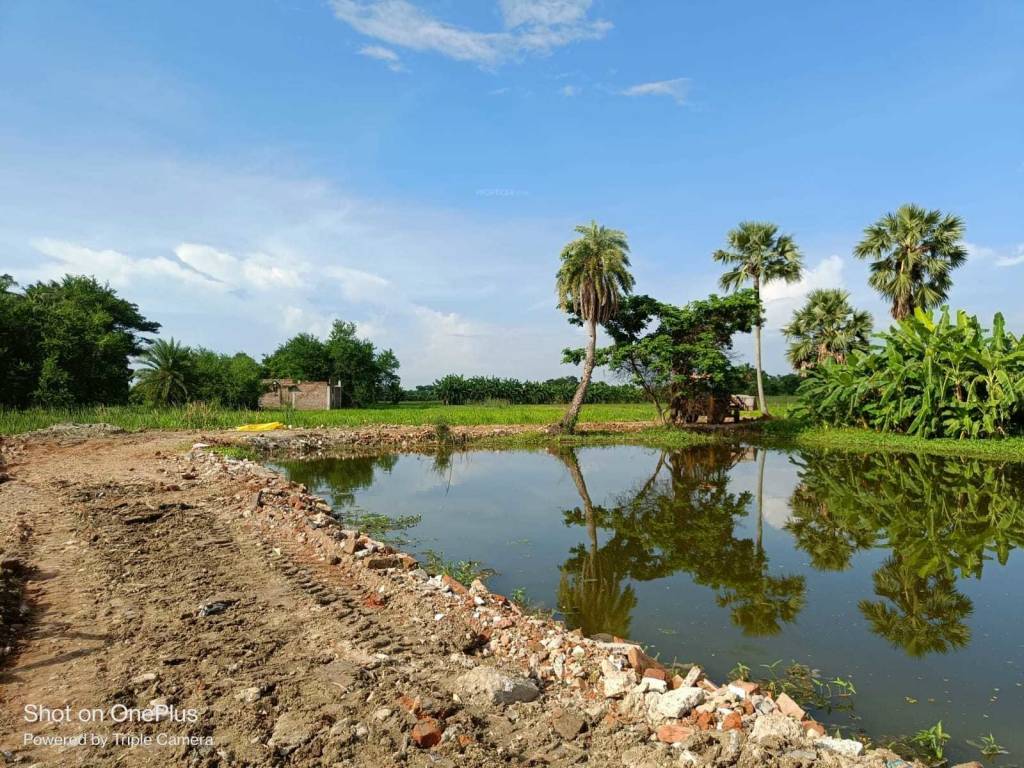

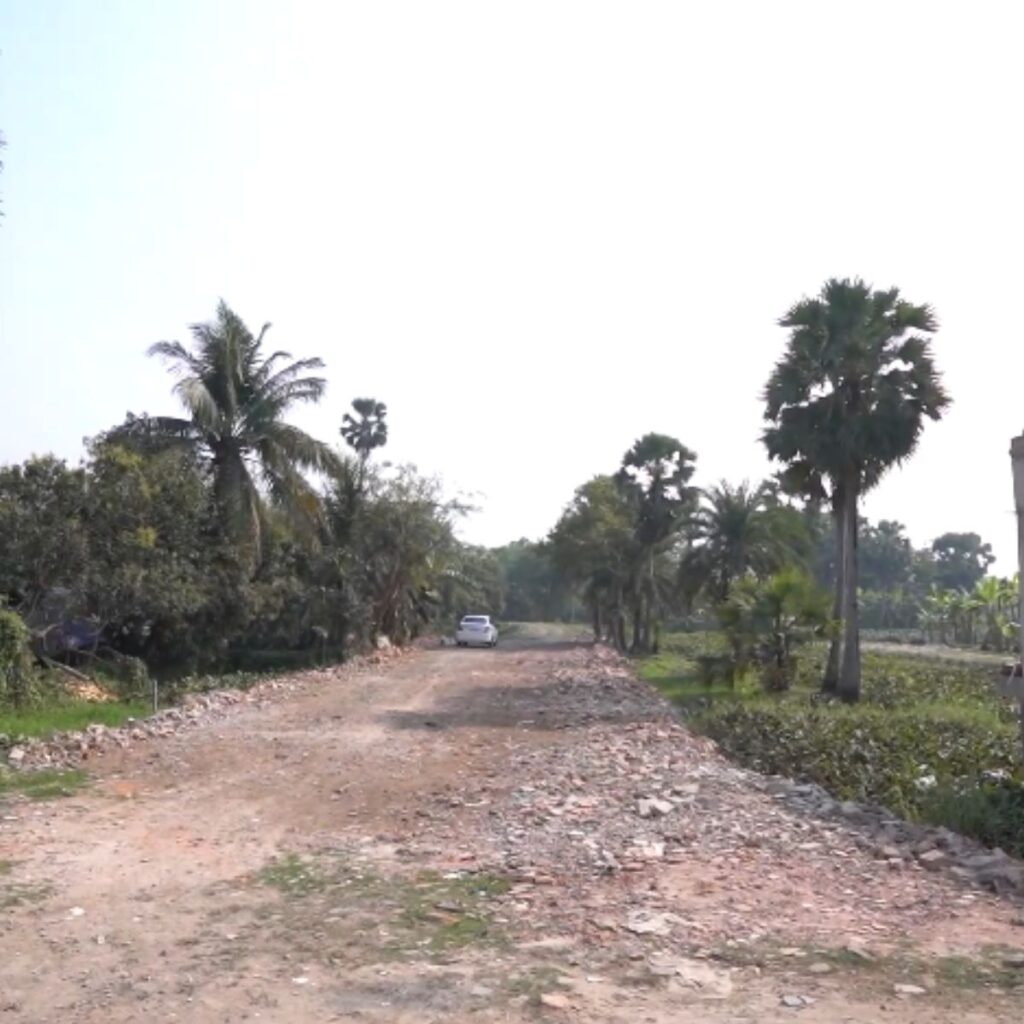
After covering what to check, here is detailed, well‑organized information about Nature’s Paradise, a township project by Rupbasuda Developers, to help you evaluate whether it meets those criteria and whether it might be a good option for you or others.
Project Overview
| Feature | Details |
| Project Name | Nature’s Paradise |
| Developer | Rupbasuda Developers |
| Location | Khariberia, Bhasa, Joka, Kolkata |
| Highway / Road | Along Diamond Harbour Road, National Highway 117 |
| Distance from Joka Metro | Approx 2.6 km |
| Time from Swaminarayan Temple | About 7 minutes |
| Nearby Landmark | Beside Palm Village Resort |
Plot Size, Type & Pricing
| Parameter | Details |
| Spread of Project | ~ 350 bighas of land area |
| Minimum Plot Size | 2 katha minimum purchase |
| Other Sizes Available | 3 katha, 5 katha, and more; no fixed maximum limit specified |
| Types of Plots | Premium & non‑premium; Residential & Commercial |
| Price Range | ₹1,30,000 (1 lakh 30 thousand rupees) up to ₹4,00,000 (4 lakh rupees) depending on plot size, location, type etc. |
Amenities & Infrastructure
| Amenity / Infrastructure | Present or Planned |
| Plot Status | Ready to move plots – so basic land preparation is done |
| Roads | Internal by‑roads of 25 ft & 20 ft; the approach roads being/will be four‑lane |
| Water supply | 24×7 water supply planned / provided |
| Electricity | Electricity connection available / planned |
| Drainage / Sewage | Proper drainage system in place or planned |
| Community & Recreational Facilities | Gymnasium, Clubhouse, Lake, Kindergarten School, Saraswati Temple |
| Transport | 24×7 transportation; metro station planned by end of 2028; nearby railway station etc. |
| Nearby Essential Facilities | Hospitals, Vegetable Market, Shopping Malls, Schools, Colleges just minutes away |
Location Advantages & Growth Potential
- Close proximity (2.6 km) to Joka Metro adds value and future ease of commute.
- Diamond Harbour Road (NH‑117) is a major route; improved highways/roads often lead to value appreciation.
- Many well‑known apartment projects in the vicinity (Emami Astha, Godrej Seven Elevate, Gems Bouganvilla, DTC Sojan, Eden Amantran, Solaris, Rajat by Avante etc.), often priced in crores, which suggests the area is already drawing premium development.
Payment & Booking Terms
| Parameter | Details |
| Booking Token Amount | ₹11,000 required as token booking amount |
| Payment Options | 36 months 0% interest EMI available |
| Developer / Agent | Dedicated Real Estate, with office near Thakurpukur 3A Bus Stand, Kolkata |
Potential Pros & Things to Check
Pros:
- Affordable entry point for middle class — both residential and commercial plots in the stated price range.
- Ready to move status reduces waiting time; some infrastructure already in place.
- Strong potential for appreciation because of upcoming metro, highway road works, location.
- Amenities are planned; community features suggest a self‑contained township rather than isolated plots.
Things you should still verify (using the checklist above):
- Confirm zoning status and whether NA conversion (if needed) has been done.
- Check encumbrance certificate to ensure clear title.
- Ensure all NOCs, permissions, layout plan approvals are legal and in order.
- Physical ground check: slope, drainage, whether land is flood‑prone.
- Exact road access: condition of roads, whether approach to your plot is via public road.
- Surrounding environment: whether neighbouring plots are being developed, quality, types of constructions.
- Utility access and readiness: water, electricity, sewage.
- Confirm any government notifications/plans that may require surrendering land or affect use.
Why This Might Be The Best Time to Buy
- With metro station planned by end of 2028, road improvements, and area being developed, plots may gain significant capital appreciation.
- Since many high‑end projects in the area are already valued in crores, a plot bought now at a few lakh rupees can deliver large value growth in coming years.
- Entry‑level price and flexible payment (0% EMI over 36 months) reduces the financial burden and risk.
How to Proceed (if Interested)
- Arrange a site visit to Nature’s Paradise. Survey multiple plots; compare premium vs non‑premium.
- Bring along a legal expert to verify documents.
- Ask developer / Dedicated Real Estate for copies of title deed, NA conversion (if applicable), EC, layout plan, approved plan, NOCs etc.
- Check the condition of internal roads, availability of utilities.
- Discuss payment schedule, any additional charges.
Contact Details
Dedicated Real Estate
- Phone: +91 6291422636
- Email: info@dedicatedrealestate.in
- Website: www.dedicatedrealestate.in
Office Location: Near Thakurpukur 3A Bus Stand, Kolkata