Buying land near Kolkata (or in Greater Kolkata / West Bengal) is more than just checking cost or connectivity. If you care about the environment, sustainability, and future livability, there are several eco‑friendly factors you should examine. This guide walks you through what to consider, what warning signs to watch for, and how to make choices that are good for you and the planet.
Why Eco‑Friendly Criteria Matter in Land Purchase
Urban Heat Island, Shrinking Green Cover & Wetlands
Rapid construction and loss of open, vegetated land in Kolkata has contributed to rising surface temperatures. A study by the Centre for Science and Environment showed that between 2001 and 2023, Kolkata’s built‑up area increased while green cover decreasing slightly, and scrubland and water bodies dropped substantially.
The East Kolkata Wetlands (EKW), a Ramsar site, plays a critical ecological role: natural sewage treatment, flood buffering, food production (fish, vegetables) and microclimate regulation. Encroachment or unplanned development threatens these functions.
Long‑Term Livability & Resilience
Green open spaces, good soil, access to natural water, less concrete—all contribute to cooler summers, healthier air, and better quality of life.
With climate change impacts (more intense heat, more volatile rain / flooding), land that respects natural ecology tends to perform better: less risk of waterlogging, erosion, or heat stress.
Key Eco‑Friendly Considerations When Buying Land in/around Kolkata
Below are the main criteria and checks you should perform. Each addresses both environmental protection & risk mitigation.
Land Classification, Zoning & Legal Protections
Check if the land is part of or adjacent to protected wetlands or buffer zones
EKW (East Kolkata Wetlands) is protected by laws (East Kolkata Wetlands Conservation & Management Act). Building or filling wetlands is subject to legal restrictions.
Avoid plots that lie in eco‑sensitive zones where construction is heavily regulated.
Verify zoning / land use category & conversion status
If the land is agricultural land, check whether it is converted (or convertible) to non‑agricultural/residential use.
Local municipality / planning bodies (KMDA, KMC, panchayat) will have records about permissible usage.
Legal encumbrances & title clarity, especially for environment protection
Confirm that there are no illegal encroachments on natural resources (e.g. wetlands, ponds).
Ensure sale deed/title do not violate environment laws (e.g. filling water‐bodies).
Soil, Topography & Hydrology
Soil quality & fertility
Good soil supports green cover, trees, gardens, reduces erosion. For example, if you intend to plant trees or have green landscaping, good topsoil matters.
Drainage & flood risk
Kolkata is low‑lying in many parts; examine whether your plot is prone to waterlogging or flood during monsoon.
Observing nearby roads / plots in heavy rain helps; check municipal flood maps if available.
Water table & access to water
See whether groundwater is accessible, and whether overuse is an issue around that area.
Check whether water bodies, canals or ponds are nearby (both for aesthetics & potential risk).
Green Cover & Vegetation
Existing trees & indigenous flora
Land with existing trees (especially native species) adds value, shade, and ecological stability. Removing large trees is costly and may face regulatory issues.
Green buffer zones & open space
Plots that afford some buffer from built‑up concrete or industrial zones help reduce noise, pollution, heat.
Open space around land or within an area (parks, wetlands) is a plus.
Infrastructure with Sustainability in Mind
Access & transportation that reduces carbon footprint
Proximity to public transport (bus, metro) reduces reliance on private vehicles.
Road access should be well designed: good roads that prevent dust / erosion, ensure minimal environmental damage.
Utilities & services that are environment‑friendly
Stormwater drainage, sewage, wastewater treatment: whether these are managed or planned sustainably.
Electricity source: whether solar rooftop access is feasible, or whether grid electricity is reliable.
Waste‐management & pollution sources nearby
Check for nearby polluters (factories, brick kilns, waste dumping ground, landfill).
Ensure local authority enforces waste regulations / there are no illegal dumping zones.
Climate & Environmental Resilience
Heat, humidity, microclimate
Land that is in “heat island” parts of the city will stay hotter; green cover helps moderate that.
Flood risk, rainfall patterns, waterlogging
Consider past flood history, drainage infrastructure. If land is in a low elevation or near flood plains, risk is higher.
Natural hazards: cyclones, storms, erosion
Especially if land is closer to coastal belts (Howrah, Barrackpore etc.), consider risk from storms or rising river/water levels.
Local Examples & Case Studies in Kolkata
Seeing what existing projects / land parcels are doing helps clarify what to look for.
Eco‑friendly housing / residential complexes
Loudon Park & Godrej Prakriti (Sodepur area): These communities are implementing sustainable features — water recycling (sewage treatment), solar power for common areas, green landscaping, minimizing water wastage.
Uniworld City, Lake District, Rosedale Gardens are examples of developments with significant green open spaces, eco‑conscious driveways (paver blocks), waste‑segregation, use of non‑potable water for landscaping.
Wetlands & Natural Water Bodies
East Kolkata Wetlands: great example of ecological functions (waste treatment, flood control, food production) and threats.
KMC’s recent moves to protect pond infrastructure and integrate sustainable features around water bodies for ecology + tourism.
Steps to Ensure the Land You Buy is Eco‑Friendly
To put these considerations into practice, here’s a checklist / process you can follow.
Pre‑purchase research & site visits
Visit the land site multiple times, in different seasons (monsoon, dry) to check waterlogging, drainage, vegetation.
Walk surrounding area: check neighbours, polluting sources, road conditions, traffic.
Interview locals: do they face flood or drainage issues? Is water table good or saline or contaminated?
Engage experts / get assessments
Soil test: for fertility, contaminants, permeability.
Topography survey: check slope, elevation, flood risk.
Environmental impact assessment (if required).
Legal due diligence
Title deed, encumbrance certificate, approvals from municipalities, zoning authorities.
Check with applicable environment protection/regulation authorities whether plot is in any restricted zone.
Plan for sustainable design & development
If you plan to build later:
Design for passive cooling (orientation, shade, trees).
Rainwater harvesting.
Use of native plants in landscaping.
Plan for solar panels, waste composting, solid‑waste management.
Trade‑Offs & Challenges of Eco‑Friendly Land Buying in Kolkata
No choice is perfect; often you’ll face tradeoffs. Here are some challenges you might need to accept or mitigate.
Cost vs location vs eco features
Eco‑friendly land (good soil, preserved trees, environmental clearance) tends to cost more.
Sometimes that cost is higher than an otherwise cheaper but risky plot.
Bureaucratic delays & legal ambiguities
Wetland protection laws, land conversion processes, environmental clearances can take time and cost.
Infrastructure gaps
Even if land is good, surrounding infrastructure (roads, sewerage, electricity, waste collection) may lag.
Maintenance & long‑term care
Trees, green cover, water harvesting systems, landscaping all require maintenance cost and effort.
Ensuring neighbours or community also respect ecological norms helps.
Practical Tips & Best Practices for Buyers
Inspired by local patterns and expert opinion, here’s what to do to make your purchase eco‑smart & future proof.
Prioritize plots near/within areas with green buffer & natural water bodies
Being close to wetlands or ponds, if legally allowed, often gives cooler microclimate, better biodiversity. But also ensure no risk of land being reclaimed or illegally filled.
Always value green cover & shade over built area alone
A plot with mature trees or ability to retain them is worth more than bare land with “development ready” stamp but no green features.
Negotiate seller to include green features in deal
If seller has trees, certain boundary trees, ponds etc., clarify who retains responsibility, whether removal requires permits.
Build in climate resilience
Even if you are just buying land now and building later, choose orientation, elevation plans that anticipate heavy rains, heat waves.
Use sustainable construction & landscaping when building
Use materials with lower carbon footprint; use solar, rainwater, treat wastewater.
Sample Scenario: Choosing Between Two Plots
To make it concrete, let’s imagine:
Plot A vs Plot B: A comparative eco‑friendly decision
| Feature | Plot A (Outskirts, affordable) | Plot B (Closer, more expensive) |
|---|---|---|
| Soil & vegetation | Few trees intact, soil decent | Several mature trees, more fertile soil |
| Water body proximity | Some distance, maybe seasonal pond | Adjacent to permanent pond / canal |
| Flood risk | Prone to waterlogging during monsoon | Slightly elevated, good drainage |
| Legal classification | Recently converted from agriculture; paperwork in progress | Fully non‑agricultural with clear title |
| Neighbourhood infrastructure | Weak roads, low public transport | Good road, nearer public transport, utilities available |
| Ecosystem features | Minimal | Better green cover, biodiversity, less nearby pollution |
In many cases, Plot B may cost more but deliver better long‑term benefits: cooler microclimate, lower risk, higher resale value, better living quality.
FAQ – Frequently Asked Eco‑Concerns for Land Buyers
Is owning part of East Kolkata Wetlands okay? Can I build there?
Most likely no, or only under very strict conditions. Wetlands are legally protected (Ramsar site + local laws). Building / filling wetlands is restricted. Check with environment authorities.
Do I need environment clearances for small residential plots?
Depends on size, local laws, whether you are cutting trees, filling water‑bodies, or violating floodplains. Always verify with municipal / state environment department.
How much difference do mature trees & green cover make in land value/livability?
Quite a lot: shade, cooler temperatures, less dust, better air quality. Also potentially lower cost of energy / cooling.
Can I buy land near a pond / canal even if it’s seasonal?
Yes, but check risk: during rains if large water inflow leads to flooding, mosquitoes etc. Seasonal water bodies may dry, but may still help microclimate.
Are there government incentives for sustainable land development in WB / Kolkata?
Sometimes local municipal bodies or state government offer incentives (e.g. for rainwater harvesting, solar installations). Check with West Bengal town planning / local bodies.
Conclusion
Eco‑friendly considerations should be central when buying land in Kolkata. Environmental risks are increasingly real (heat, flooding, loss of wetlands), but so are the potential rewards: more comfortable living, resilience, better value, and satisfaction from making sustainable choices.
Key takeaways:
Understand local ecology: wetlands, green cover, water bodies.
Always do soil, hydrology, flood risk checks.
Legal zoning, protection laws, and land classification matter a lot.
Natural features (trees, shade, good soil) are not just aesthetic—they have tangible benefits.
Plan for sustainability now, even if you build later.
Nature’s Paradise by Rupbasuda Developers — “Ready to Move” Plots

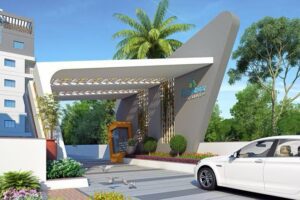
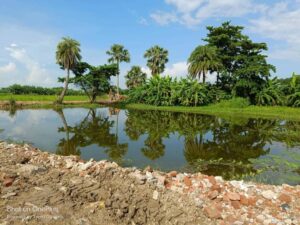
natures-paradise-gate natures-paradise-lake After covering what to check, here is detailed, well‑organized information about Nature’s Paradise, a township project by Rupbasuda Developers, to help you evaluate whether it meets those criteria and whether it might be a good option for you or others.
Project Overview
Feature Details Project Name Nature’s Paradise Developer Rupbasuda Developers Location Khariberia, Bhasa, Joka, Kolkata Highway / Road Along Diamond Harbour Road, National Highway 117 Distance from Joka Metro Approx 2.6 km Time from Swaminarayan Temple About 7 minutes Nearby Landmark Beside Palm Village Resort Plot Size, Type & Pricing
Parameter Details Spread of Project ~ 350 bighas of land area Minimum Plot Size 2 katha minimum purchase Other Sizes Available 3 katha, 5 katha, and more; no fixed maximum limit specified Types of Plots Premium & non‑premium; Residential & Commercial Price Range ₹1,30,000 (1 lakh 30 thousand rupees) up to ₹4,00,000 (4 lakh rupees) depending on plot size, location, type etc. Amenities & Infrastructure
Amenity / Infrastructure Present or Planned Plot Status Ready to move plots – so basic land preparation is done Roads Internal by‑roads of 25 ft & 20 ft; the approach roads being/will be four‑lane Water supply 24×7 water supply planned / provided Electricity Electricity connection available / planned Drainage / Sewage Proper drainage system in place or planned Community & Recreational Facilities Gymnasium, Clubhouse, Lake, Kindergarten School, Saraswati Temple Transport 24×7 transportation; metro station planned by end of 2028; nearby railway station etc. Nearby Essential Facilities Hospitals, Vegetable Market, Shopping Malls, Schools, Colleges just minutes away Location Advantages & Growth Potential
- Close proximity (2.6 km) to Joka Metro adds value and future ease of commute.
- Diamond Harbour Road (NH‑117) is a major route; improved highways/roads often lead to value appreciation.
- Many well‑known apartment projects in the vicinity (Emami Astha, Godrej Seven Elevate, Gems Bouganvilla, DTC Sojan, Eden Amantran, Solaris, Rajat by Avante etc.), often priced in crores, which suggests the area is already drawing premium development.
Payment & Booking Terms
Parameter Details Booking Token Amount ₹11,000 required as token booking amount Payment Options 36 months 0% interest EMI available Developer / Agent Dedicated Real Estate, with office near Thakurpukur 3A Bus Stand, Kolkata Potential Pros & Things to Check
Pros:
- Affordable entry point for middle class — both residential and commercial plots in the stated price range.
- Ready to move status reduces waiting time; some infrastructure already in place.
- Strong potential for appreciation because of upcoming metro, highway road works, location.
- Amenities are planned; community features suggest a self‑contained township rather than isolated plots.
Things you should still verify (using the checklist above):
- Confirm zoning status and whether NA conversion (if needed) has been done.
- Check encumbrance certificate to ensure clear title.
- Ensure all NOCs, permissions, layout plan approvals are legal and in order.
- Physical ground check: slope, drainage, whether land is flood‑prone.
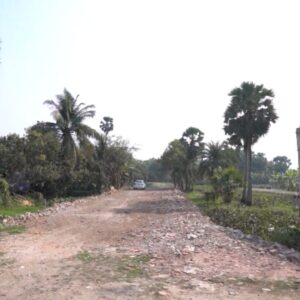
- Exact road access: condition of roads, whether approach to your plot is via public road.
- Surrounding environment: whether neighbouring plots are being developed, quality, types of constructions.
- Utility access and readiness: water, electricity, sewage.
- Confirm any government notifications/plans that may require surrendering land or affect use.
Why This Might Be The Best Time to Buy
- With metro station planned by end of 2028, road improvements, and area being developed, plots may gain significant capital appreciation.
- Since many high‑end projects in the area are already valued in crores, a plot bought now at a few lakh rupees can deliver large value growth in coming years.
- Entry‑level price and flexible payment (0% EMI over 36 months) reduces the financial burden and risk.
How to Proceed (if Interested)
- Arrange a site visit to Nature’s Paradise. Survey multiple plots; compare premium vs non‑premium.
- Bring along a legal expert to verify documents.
- Ask developer / Dedicated Real Estate for copies of title deed, NA conversion (if applicable), EC, layout plan, approved plan, NOCs etc.
- Check the condition of internal roads, availability of utilities.
- Discuss payment schedule, any additional charges.
Contact Details
- Phone: +91 6291422636
- Email: info@dedicatedrealestate.in
- Website: www.dedicatedrealestate.in
Office Location: Near Thakurpukur 3A Bus Stand, Kolkata
Dedicated Real Estate
- Close proximity (2.6 km) to Joka Metro adds value and future ease of commute.