
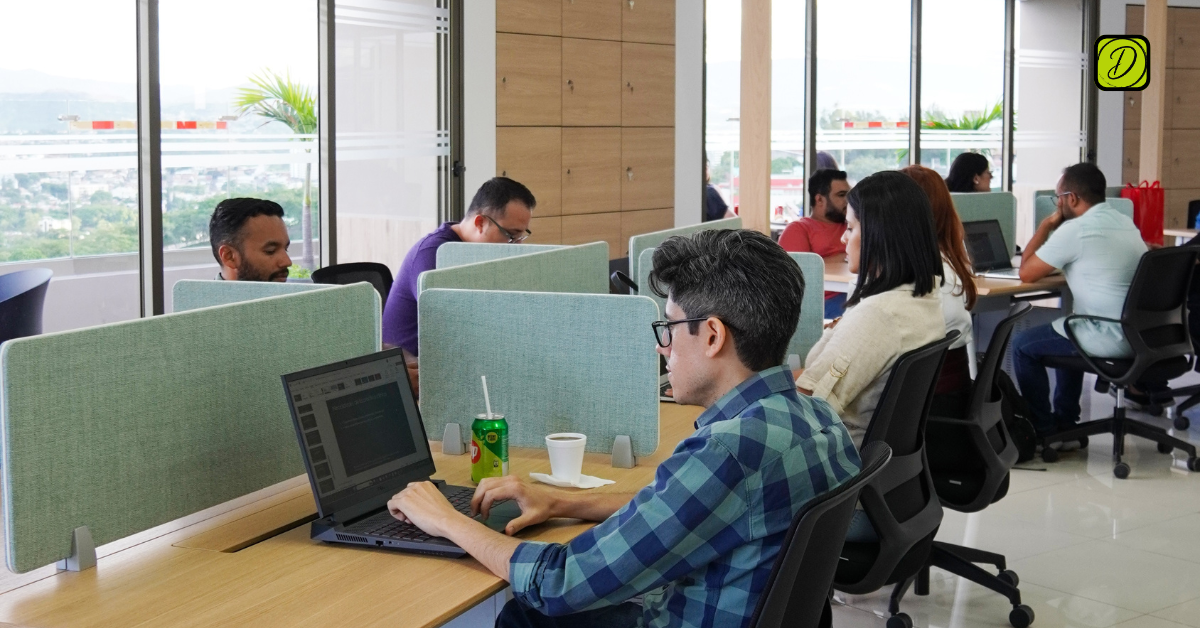
Bangalore (often called the “Silicon Valley of India”) has long been a centre for technology, innovation and startup growth. In recent years, the city’s commercial real estate market has been evolving rapidly — and the rise of coworking and flexible workspaces is a major part of that story. In this article, we’ll dive deep into the coworking‑space landscape in Bangalore: how the market is trending, what’s driving demand, where you should look, how pricing and business models are shaping up, and the key considerations you should weigh before choosing a workspace. Whether you are a freelancer, start‑up, SME or enterprise looking to establish or expand in Bangalore, this guide will offer strategic insights.
Why Coworking is Gaining Momentum in Bangalore
The Shift in Work Models & Demand for Flexibility
The post‑pandemic era has accelerated work model shifts: hybrid, remote, satellite‑office and flexible arrangements are increasingly the norm. For many organisations in Bangalore, the traditional long‑term commercial lease is losing appeal because of lock‑in risk, capex and changing workforce expectations. Reports show that across India, flexible workspaces are capturing a growing share of net office absorption.
Specifically in Bangalore, the city leads India’s top markets in flexible workspace supply and absorption. According to a Cushman & Wakefield / TableSpace report, Bangalore accounts for about 31% of India’s Grade‑A flexible office supply.
What this means: more companies—especially in IT/ITES, engineering, BFSI and professional services—are adopting coworking and managed office solutions in Bangalore as part of their workspace strategy.
Cost Efficiency and Scalability for Startups & SMEs
For early‑stage companies, small teams or ventures looking for cost‑efficiency, coworking offers a compelling alternative. You can move in swiftly, avoid large upfront fit‑out or furniture costs, scale up or down as your team evolves, and benefit from shared amenities and infrastructure. Bangalore, with its large startup ecosystem, talent pool and co‑working density, allows this flexibility.
Moreover, rising rents in premium business districts make coworking an attractive option. For example, in Bangalore’s IT corridors, the pressure of rent escalation is cited as a trigger for more organisations shifting to flexible seating or satellite offices.
Strong Talent Pool & Startup Ecosystem
Bangalore’s business ecosystem—startups, tech‑giants, innovation labs, global‑capability centres—is well‑established. That creates demand for modern workspaces, co‑location, and collaboration environments. A coworking space in Bangalore offers access not only to the physical workspace but also the talent and peer‑network environment.
Operators who can cater to this ecosystem (via community events, networking, hybrid membership models) are differentiating themselves.
Key Sub‑Markets & Location Trends in Bangalore
Major IT & Startup Corridors
Outer Ring Road, Whitefield & EPIP
These zones are home to large tech parks, global capability centres and large tenant occupiers. Coworking spaces in these corridors are well placed for enterprise clients and satellite teams, offering high‑quality infrastructure and connectivity. A recent article notes that the talent pool concentrated in corridors like Whitefield, Electronic City and Outer Ring Road is creating “explosive demand for premium and flexible workspaces”.
Koramangala, HSR Layout & Indiranagar
These neighbourhoods have been traditionally startup hubs and continue to be important coworking zones. They offer a mix of younger companies, creative agencies, freelancers and hybrid teams. For example, HSR Layout is increasingly favoured for coworking due to its proximity to Electronic City, ORR and other business zones.
North Bangalore / Airport Corridor
With the expansion of the Bengaluru airport infrastructure and new business parks, North Bangalore is emerging as a potential growth zone for coworking as companies look for more affordable or satellite options. Though less mature than the east and south corridors, it has growing significance.
Suburban and Decentralised Growth
A key trend in Bangalore is the decentralisation of coworking demand. Rather than only in core CBD or premium parks, coworking is expanding into outer suburbs or emerging micro‑markets to cater to commuters, remote professionals and satellite teams. This aligns with broader trends in India: user‑driven suburban expansion of flexible spaces.
This means that if you’re a business or professional based outside the main business districts, you may still find solid coworking options with shorter commute, cheaper cost and good amenities.
Market Size, Supply & Demand Dynamics
National Context & Bangalore’s Share
According to a market report, India’s co‑working office space market size is projected at USD 3.98 billion in 2025 and reaching USD 7.71 billion by 2030 (CAGR ~14.14%).
In that context, Bangalore accounts for a significant share. The same report says Bangalore generated ~28.1% of India’s coworking office space market share in 2024.
Another industry insight: “Flexible workspaces now account for 11‑13% of total office space demand across India’s top cities” and Bangalore is a key driver.
What this tells us: The coworking market in Bangalore is large, growing and strategically important—not just for small players but increasingly for larger enterprises.
Supply Growth & Absorption Trends
Recent data shows net absorption of coworking spaces in India has nearly doubled over four years (from ~1.3 million sq ft in Q1 2019 to ~2.18 million sq ft in Q1 2023) among eight major cities, with Bangalore leading the way.
It’s also reported that in Bangalore the net absorption of coworking office spaces increased to 30% of the city’s commercial space demand.
In short: Supply is increasing, absorption demand is healthy, and the uptake of flexible workspace in Bangalore shows strong momentum.
Pricing & Cost Pressures
While specific benchmark rents vary by location, what is clear is that rising rents in premium business districts push occupiers toward coworking or shared space options. For example, in major IT hubs, flexible leasing and managed offices are increasingly preferred.
Therefore, as an end‑user you should consider how cost and contract flexibility compare between traditional leases and coworking offerings.
Business Models & Operator Landscape in Bangalore
Different Models of Coworking / Flexible Office
Hot Desk / Shared Seating: Flexible daily/weekly/monthly access to a desk in a communal area.
Dedicated Desk: A fixed desk within a shared space.
Private Cabin / Team Office: Enclosed office space for a team, often within a coworking centre.
Managed Office / Full‑Floor Solutions: For enterprises, full floors or wings managed by a coworking operator, with branding, custom fit‑out, long‑term services. In Bangalore this is increasingly common, especially for global capability centres or large Indian firms.
Virtual Office & Day‑Pass Models: For freelancers or mobile workers, lower‑cost options with mail address, meeting room credits, or access when needed.
Operator Types & Ecosystem
Bangalore’s coworking ecosystem includes national chains, pan‑India brands, local specialists and niche boutique operators. Some differentiate by premium design, others by cost‑efficiency or specialised verticals (tech focused, creative agencies, legal professionals).
The market remains fragmented: India has over 500 active operators and the top 10 control roughly 40% of nationwide seat inventory.
Larger operators offer scale, uniform service levels, enterprise‑ready infrastructure; smaller operators often focus on local neighbourhoods, entrepreneurial communities or cost‑efficient offerings.
Value Drivers & Differentiators
What makes one coworking provider stand out in Bangalore? Key differentiators include:
Location & access (proximity to talent pool, transport connectivity)
Quality of infrastructure: high‑speed internet, power‑backup, ergonomic spaces
Flexibility of contract and scale (can you upgrade/downgrade easily?)
Community & events: networking, mentorship, peer collaboration
Fit‑out & design: spaces that reflect brand/teams and enable productivity
Services & amenities: meeting rooms, pantry/café, printing, reception, security
Business‑ready for enterprise: customized spaces, privacy, data security
From Bangalore‑specific commentary: For example, the blog on coworking in Bangalore’s IT hubs emphasises design ethos, scale, and strategic alignment with market dynamics as key distinguishing factors.
Key Considerations When Choosing a Coworking Space in Bangalore
Define Your Requirements Clearly
Before selecting a workspace, ask yourself and your team:
What is the current team size, and what is projected growth over the next 6‑12 months?
Do we need hot desks, dedicated desks, private cabins, or full team offices?
What kind of access hours and location do we prefer (24/7 vs business hours; premium vs suburban)?
Will we host clients? Do we need meeting rooms, event space or reception in a client‑facing zone?
What’s our budget for desk cost, amenities, additional services and equipment?
Consider Contract Terms & Flexibility
Coworking offers more flexibility compared to traditional leases—but you must still scrutinise:
Notice period, lock‑in tenure, penalties for early exit
Upgrade/downgrade rights as your team size changes
Included services: internet, power, cleaning, reception — what is extra?
Meeting room credits, printing charges, parking cost, additional user fees
Hidden costs: vendor‐managed catering, optional events, membership tiers
Making sure you understand the full “all‑in” cost helps you avoid surprises and ensures you compare apples to apples with alternative lease models.
Evaluate Location & Commute
In Bangalore, location matters. Key considerations:
Proximity to your talent pool (e.g., tech talent in Koramangala, HSR, ORR)
Transport connectivity: Metro, bus routes, major roads
Travel time for your team and clients
Visibility / brand image: If your clients visit, is address prestigious?
Local amenities: cafés, lunch options, gyms, residential areas for commuting staff
Inspect Infrastructure & Service Quality
Once you’ve shortlisted spaces, inspect them:
Ergonomics: chair/desk quality, lighting, HVAC, noise levels
Infrastructure: internet speed/uptime, power‑backup, security, access control
Fit‑out: do the interiors reflect a professional / branded image you need?
Support services: on‑site staff, reception, maintenance, cleaning, concierge
Community and culture: Are networking events active? Is the space aligned with your team’s work style?
Reviews/testimonials: What do existing occupants say about service, comfort, reliability? Try to visit in‑person if possible.
Consider Growth & Exit Strategy
Your choice of coworking space should factor in future business changes:
If your team grows quickly, can you scale within the same venue/operator (same brand/floor expansion)?
If your team size decreases (or business pivots), what happens? Are you locked into a bigger space?
What’s the exit clause? Are you locked for a long term inadvertently?
If you use coworking as a temporary solution before moving into your own space, does the cost‑benefit align?
For enterprises, if you’re using coworking for a satellite office, does the operator support enterprise expectations (privacy, confidentiality, segregation)?
Compare Cost vs Traditional Lease
While cost savings are a major benefit of coworking, you should still compare with traditional leases:
What is the monthly cost per seat/desk/cabin vs a leased space (including fit‑out, furniture, services, utilities)?
Consider total cost of occupancy (TCO) over your expected term (e.g., 12‑24 months) for both models.
Factor in flexibility value: ability to adjust headcount, move location, stop cost if required.
Also consider intangible values: networking/community benefits, brand image, speed to move‑in, reduced operations burden.
By doing a comparative calculation you’ll be in a stronger position to choose the model that best fits your business.
Benefits & Risks of Coworking in Bangalore
Benefits
Speed to set up: Move‑in ready spaces reduce time to productivity.
Flexibility: Upgrade/downgrade, short‑term contracts, various membership models.
Access to amenities and shared infrastructure: Meeting rooms, reception, café, utilities.
Community and networking: Opportunities for cross‑pollination, collaboration, peer exposure.
Cost‑effectiveness: Particularly for early‑stage companies or satellite teams—they avoid large capex and long lock‑in.
Brand/Location benefits: Being in a prime business district or hub without full lease overhead.
Risks & Challenges
Quality variation: Not all coworking providers deliver the same infrastructure, service or fit‑out.
Hidden costs / unclear terms: Some may have extra charges, minimum commitments, or restrictions.
Scaling issues: If you grow, you may have to move to a different floor/operator, losing continuity.
Contract dependence: Even flexible leases may lock you in longer than you anticipate or have expensive exit penalties.
Location trade‑offs: Suburbs may cost less but have longer commute or less prestige; central may cost more.
Operator risk: If the coworking provider’s business model suffers, service may deteriorate, or they may need to revise terms or close. Business continuity and brand matters.
For Bangalore specifically, given the high demand and rapid growth of coworking, rent escalation, competitive pressure and operator differentiation are things to watch.
Future Outlook & Strategic Recommendations for Bangalore
What to Expect Over the Next 2‑5 Years
Continued growth of coworking/managed office solutions as hybrid and satellite work models become entrenched.
More enterprise adoption: large firms will lease full floors or wings from coworking operators rather than conventional leases.
Enhanced digital and tech‑enablement of coworking spaces: smart building infrastructure, IoT, analytics for layout & usage.
Sustainability, wellness, experience‑centric design becoming differentiators — particularly in Bangalore given talent competition.
Sub‑market diversification: more coworking off‑CBD, in suburbs, satellite towns, catering to commuting professionals and decentralised teams.
Potential consolidation in the operator market as scale and professionalism become more important in a maturing market.
Strategic Tips for Businesses & Individuals
Start with clarity: Define your team size, growth path, preferred location, budget and contract flexibility before you start touring spaces.
Test the space: If possible, take a day‑pass, observe commute experience, amenities, culture, internet quality, communal interactions.
Negotiate terms: Even in coworking deals, terms matter—notice period, upgrade rights, extra charges, included services.
Location truly matters: For Bangalore, choose based on your talent pool and commute convenience. If client‑facing, choose visibility; if internal team, cost may dominate.
Think scalability and exit: Choose providers that can grow with you or allow downsizing without heavy penalties.
Leverage community: Many coworking spaces in Bangalore offer events, networking; make use of them. The value‑added benefits often differentiate one space from another.
Calculate TCO: Don’t just compare headline monthly cost per desk; include services, utilities, amenities, move‑in time, upgrade costs, hidden fees.
Brand alignment: If your company’s image matters (clients come in, you host meetings), choose a fit‑out and location that aligns with your brand.
Watch for operator credibility: Especially in a fast‑growing market, ensure the provider has good reviews, stable business model, contract transparency.
Conclusion
In summary, the coworking space landscape in Bangalore is vibrant, maturing and increasingly strategic. What began as a trend for freelancers and startups has now become a full‑blown component of office real estate and organisational strategy. With a large talent pool, strong startup ecosystem, evolving work models and rising cost pressures in traditional leases, coworking offers a compelling alternative.
However, choosing the right coworking space is not just about choosing a desk. Location, contract flexibility, infrastructure, community, future growth, exit options and cost all matter deeply. For businesses and professionals in Bangalore, a strategic approach—with clear requirements, evaluation of alternatives and diligent comparison—is vital.
Whether you’re a small team looking for your first base in Bangalore, a growing startup seeking a branded workspace, or an enterprise exploring satellite offices or hybrid models, coworking in Bangalore is a viable, high‑potential option — if chosen wisely.
Nature’s Paradise by Rupbasuda Developers — “Ready to Move” Plots
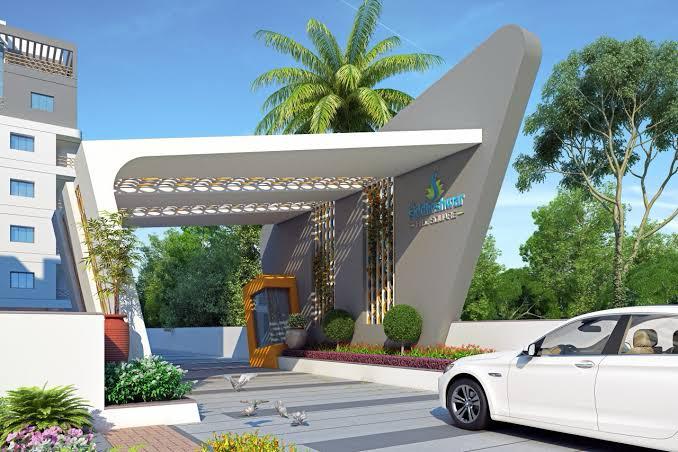


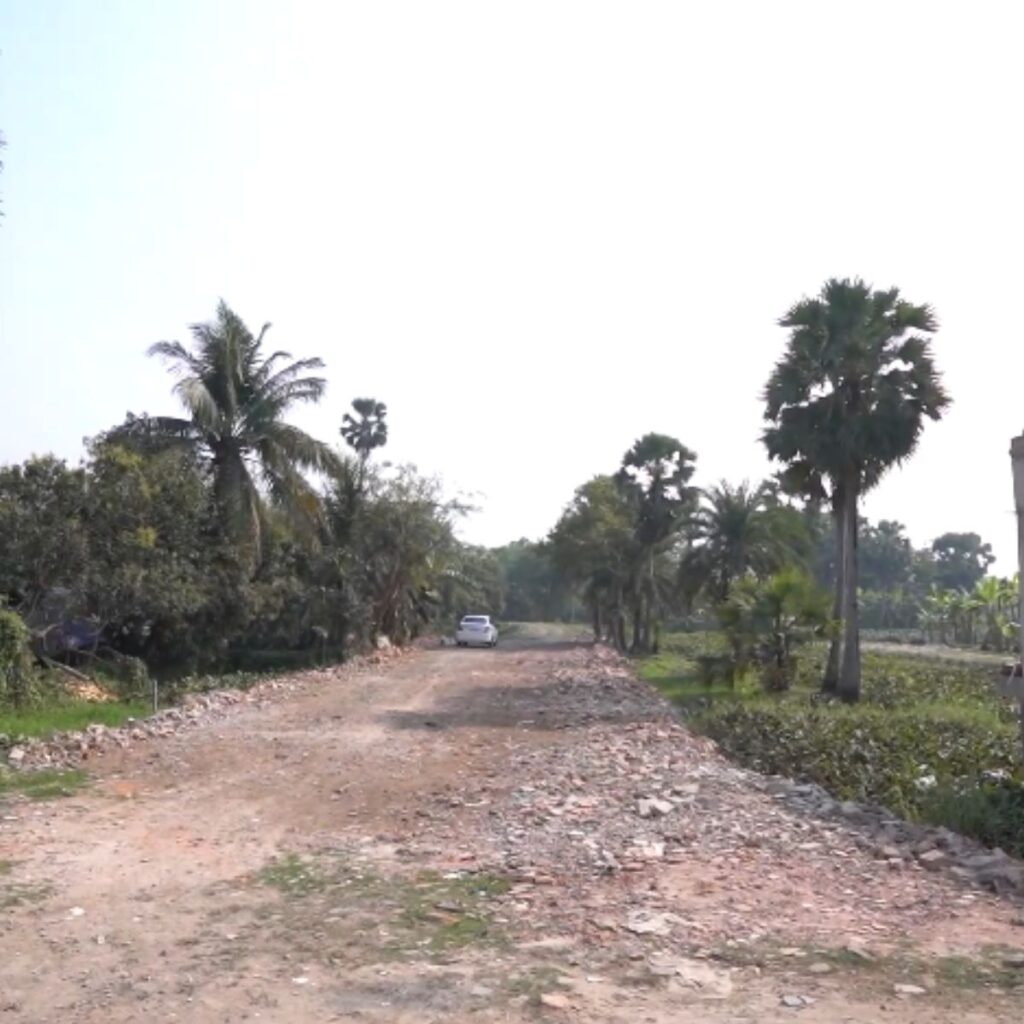
After covering what to check, here is detailed, well‑organized information about Nature’s Paradise, a township project by Rupbasuda Developers, to help you evaluate whether it meets those criteria and whether it might be a good option for you or others.
Project Overview
| Feature | Details |
| Project Name | Nature’s Paradise |
| Developer | Rupbasuda Developers |
| Location | Khariberia, Bhasa, Joka, Kolkata |
| Highway / Road | Along Diamond Harbour Road, National Highway 117 |
| Distance from Joka Metro | Approx 2.6 km |
| Time from Swaminarayan Temple | About 7 minutes |
| Nearby Landmark | Beside Palm Village Resort |
Plot Size, Type & Pricing
| Parameter | Details |
| Spread of Project | ~ 350 bighas of land area |
| Minimum Plot Size | 2 katha minimum purchase |
| Other Sizes Available | 3 katha, 5 katha, and more; no fixed maximum limit specified |
| Types of Plots | Premium & non‑premium; Residential & Commercial |
| Price Range | ₹1,30,000 (1 lakh 30 thousand rupees) up to ₹4,00,000 (4 lakh rupees) depending on plot size, location, type etc. |
Amenities & Infrastructure
| Amenity / Infrastructure | Present or Planned |
| Plot Status | Ready to move plots – so basic land preparation is done |
| Roads | Internal by‑roads of 25 ft & 20 ft; the approach roads being/will be four‑lane |
| Water supply | 24×7 water supply planned / provided |
| Electricity | Electricity connection available / planned |
| Drainage / Sewage | Proper drainage system in place or planned |
| Community & Recreational Facilities | Gymnasium, Clubhouse, Lake, Kindergarten School, Saraswati Temple |
| Transport | 24×7 transportation; metro station planned by end of 2028; nearby railway station etc. |
| Nearby Essential Facilities | Hospitals, Vegetable Market, Shopping Malls, Schools, Colleges just minutes away |
Location Advantages & Growth Potential
- Close proximity (2.6 km) to Joka Metro adds value and future ease of commute.
- Diamond Harbour Road (NH‑117) is a major route; improved highways/roads often lead to value appreciation.
- Many well‑known apartment projects in the vicinity (Emami Astha, Godrej Seven Elevate, Gems Bouganvilla, DTC Sojan, Eden Amantran, Solaris, Rajat by Avante etc.), often priced in crores, which suggests the area is already drawing premium development.
Payment & Booking Terms
| Parameter | Details |
| Booking Token Amount | ₹11,000 required as token booking amount |
| Payment Options | 36 months 0% interest EMI available |
| Developer / Agent | Dedicated Real Estate, with office near Thakurpukur 3A Bus Stand, Kolkata |
Potential Pros & Things to Check
Pros:
- Affordable entry point for middle class — both residential and commercial plots in the stated price range.
- Ready to move status reduces waiting time; some infrastructure already in place.
- Strong potential for appreciation because of upcoming metro, highway road works, location.
- Amenities are planned; community features suggest a self‑contained township rather than isolated plots.
Things you should still verify (using the checklist above):
- Confirm zoning status and whether NA conversion (if needed) has been done.
- Check encumbrance certificate to ensure clear title.
- Ensure all NOCs, permissions, layout plan approvals are legal and in order.
- Physical ground check: slope, drainage, whether land is flood‑prone.
- Exact road access: condition of roads, whether approach to your plot is via public road.
- Surrounding environment: whether neighbouring plots are being developed, quality, types of constructions.
- Utility access and readiness: water, electricity, sewage.
- Confirm any government notifications/plans that may require surrendering land or affect use.
Why This Might Be The Best Time to Buy
- With metro station planned by end of 2028, road improvements, and area being developed, plots may gain significant capital appreciation.
- Since many high‑end projects in the area are already valued in crores, a plot bought now at a few lakh rupees can deliver large value growth in coming years.
- Entry‑level price and flexible payment (0% EMI over 36 months) reduces the financial burden and risk.
How to Proceed (if Interested)
- Arrange a site visit to Nature’s Paradise. Survey multiple plots; compare premium vs non‑premium.
- Bring along a legal expert to verify documents.
- Ask developer / Dedicated Real Estate for copies of title deed, NA conversion (if applicable), EC, layout plan, approved plan, NOCs etc.
- Check the condition of internal roads, availability of utilities.
- Discuss payment schedule, any additional charges.
Contact Details
Dedicated Real Estate
- Phone: +91 6291422636
- Email: info@dedicatedrealestate.in
- Website: www.dedicatedrealestate.in
Office Location: Near Thakurpukur 3A Bus Stand, Kolkata