
Over the past few years, co‑living spaces have emerged as a strong contender in urban housing, especially in large Indian cities like Kolkata. With rapid urbanisation, inflow of students, young professionals, migrants seeking affordable, flexible living options, demand for co‑living is rising. From a supply perspective, organized co‑living is still comparatively nascent, which means early‑movers have an opportunity to capture high demand. According to industry reports, India’s co‑living inventory in the organized sector is approx 0.3 million beds in 2025, with projections to nearly one million beds by 2030.
Kolkata, with its mix of educational institutions, growing IT/tech and startup presence (especially in New Town, Salt Lake, Rajarhat), better infrastructure (metro expansions, road connectivity), presents itself as a promising market. Many real‑estate trends in Kolkata show rising demand in emerging suburbs and increasing rental yields in such zones.
This post digs deep into costs, benefits, risks, and yields, to help you decide whether investing in co‑living in Kolkata makes sense for you.
Key Cost Components of Setting Up a Co‑Living Property
Before counting the benefits, a realistic view of costs is essential. Below are the major cost heads.
Acquisition Cost: Land or Building Purchase
Land / Property Price: Acquiring land or an existing building in Kolkata (especially in the suburbs or emerging areas) comes at varying prices. Areas like New Town, Rajarhat, Barasat, Madhyamgram are less expensive per square foot than central areas. As we move further from the core, price per sq ft drops, but connectivity and amenities also matter.
Stamp Duty / Registration / Transfer Costs: Legal costs, registration, stamp duty. These can add a non‑trivial percentage to cost (5‑10% or more depending on scheme and government incentives). Look out for government benefits in emerging zones.
Renovation, Furnishing & Amenities Investment
Interior Works: Partitioning rooms, installing bathrooms, kitchens (common or individual), plumbing, electrical work.
Furnishing: Beds, wardrobes, study tables, chairs, common area furniture, lighting, safety items.
Amenities: Wi‑Fi/Internet infrastructure, security (CCTV, biometric doors, guards), housekeeping, utility meters, common kitchen, recreation zones, sometimes gym or co‑working spaces. The more amenities, the higher the up‑front cost, but also higher the rental premium.
Design & Branding Costs: If you wish to differentiate (themed co‑living, branded operator), marketing, layout, interiors will cost extra.
Operational Costs: Utilities, Maintenance, Staff
Utilities & Bills: Electricity, water, gas if provided, internet, cable etc. Often in co‑living these are bundled or shared. Shared usage helps reduce per‑resident cost due to economies of scale.
Maintenance & Repairs: Common areas, fixtures, cleaning, periodic servicing.
Staff & Housekeeping: Someone to manage the property, cleaning, common area upkeep.
Insurance, Property Taxes: Annual recurring costs.
Regulatory & Compliance Costs
Local Permits / Licenses: Fire safety, occupancy certificates, zoning compliance, health and safety norms.
Safety Infrastructure: Fire extinguishers, emergency exits, lighting, escalators if applicable etc.
Contractual / Legal: Lease agreements, legal advice, disputes etc.
Revenue Streams & Rental Income Potential
With costs understood, what revenue or income can you expect? What makes co‑living potentially more profitable than traditional rentals?
Rental Yields: What the Organized Market Suggests
Organized co‑living investments in various Indian cities are seen to generate rental yields in the range of 6‑8%, sometimes more depending on location and level of amenities.
Compare with traditional apartment yields, often around 2‑4% in many cities for similar property classes. This differential makes co‑living appealing.
Price Premiums for Amenities & Location
Tenants are willing to pay a premium if utilities, internet, house‑keeping, furnished interiors etc. are included, particularly in zones close to colleges, offices, transit.
Also proximity to metro stations or business hubs raises rent significantly. In areas like New Town, Rajarhat close to IT/sectors, rental yields are among highest in the city (as reported in recent real estate trend reports).
Occupancy Rates and Vacancy Risk Mitigation
Co‑living tends to reduce the risk of full vacancy vs leasing the whole unit. Even if one or two rooms are empty, others may be occupied.
Demand is steady for shared‑living among students, young professionals, newcomers, because of flexibility.
Effective operators often report occupancy rates of 85‑90%.
Location Analysis: Where in Kolkata to Invest?
Location plays a huge role in both costs and returns. These sub‑sections explore which areas are promising and what trade‑offs exist.
Emerging Areas: New Town, Rajarhat, Barasat, Madhyamgram
These areas benefit from newer infrastructure, planned development, connectivity improvements.
Costs per square foot are lower than in central Kolkata or Mahanagar, but rising quickly due to demand.
Good proximity (or developing proximity) to IT parks, business hubs, metro lines; schools and colleges are also expanding in these zones. These make them ideal for co‑living demand.
Reports show that new residential launches in New Town & Rajarhat take up a large share of Kolkata’s recent launches.
Proximity to Metro, IT/Business Hubs, Colleges
Areas near transit (metro, major roads), business centres (Salt Lake Sector V, New Town), academic institutions will have much higher demand for co‑living.
Commuting cost/time matters heavily for tenants; reducing commute via good location or transit access justifies higher rent.
Areas that are slightly farther but well connected have lower acquisition costs but can still charge premium rents if transit is good.
Comparison with Central & Old Kolkata Costs & Returns
Central areas (Mornington, Park Street, Ballygunge, Alipore etc) have very high purchase prices, higher property taxes, maybe regulatory/heritage constraints.
Rents are higher per room, but because acquisition cost is so high, yield percentages may drop.
Also, maintenance costs are higher, and sometimes limited flexibility for major renovations.
Benefits Beyond Pure Financial Returns
While returns matter, there are other qualitative benefits/incentives that strengthen the case for co‑living investment in Kolkata.
Lifestyle & Demand Trends Among Young Tenants
Young professionals, recent graduates, people moving cities for jobs or study want flexibility, community, and low‑maintenance living.
Co‑living’s “all inclusive” arrangements (furniture, utilities, common space, events) match modern lifestyle preferences.
Many would rather pay a bit more for convenience than deal with hassles of multiple contracts, utility setups etc.
Community, Flexibility, Shared Infrastructure Advantage
Shared common spaces, events, group facilities help in reducing individual expenses and improving tenant retention.
Amenities like co‑kitchen, recreation, cleaning, internet shared provide economies of scale.
Flexible leases help attract shorter‑stay tenants (interns, students, remote workers etc.)
Scalability and Brand/Operator Models
Once one property is set up and operational, scaling (adding more rooms, acquiring adjacent properties, or partnering with a co‑living operator/brand) can improve efficiencies.
Some operators offer revenue‑share models where property owner provides property and the operator manages tenanting, maintenance etc. This reduces management burden.
Brands and prop‑tech firms bring credibility, standards, better occupancy.
Risks, Challenges & How to Mitigate Them
Any investment has risks. Co‑living is no exception. Being aware of them helps avoid surprises.
Regulatory, Zoning, Safety, Lease Terms Issues
Ensuring the property complies with local building norms, fire safety, occupancy limits.
Some areas may have zoning restrictions.
Legal clarity on leases, deposits, terms of utility sharing, damage liability etc.
Management Overheads, Tenant Turnover, Wear & Tear
More tenants = more wear and tear. Furniture, fixtures degrade faster. Maintenance costs can escalate.
Tenant changeover more frequent: cleaning, painting, replacements.
Need for responsive management or hiring staff / using an operator.
Competition, Market Saturation, Cost Escalation
As demand grows, more players enter marketplace. Overbuilding in some areas reduces premiums.
Rising construction costs, material costs, labour can eat into margins.
Inflation in utility costs etc.
Financial Modelling / Sample ROI Case Study
Let’s run a sample (hypothetical but realistic) case to see how numbers may work in practice for Kolkata.
Example: 1 Property in Rajarhat
Suppose you purchase a 1,500 sq ft apartment or building in Rajarhat (close enough to transit, offices). Acquisition cost: say ₹8,000 per sq ft → total ≈ ₹1.2 crore.
Add furnishing & amenities (common areas, furnishing per room, WiFi, kitchen etc): suppose ₹10‑15 lakh.
Regulatory / Renovation etc: ₹5 lakh.
Total upfront investment ~ ₹1.35‑1.4 crore.
Cost vs Revenue – Yearly Projection
Suppose you partition into 5 rooms (each with private bed & wardrobe, shared bathrooms or mix), plus common area.
Each room rented at, say, ₹12,000/month including utilities & amenities. So 5 × 12,000 = ₹60,000/month → ₹7,20,000/year
Occupancy rate assumed 90%. So effective revenue = ₹7,20,000 × 0.90 ≈ ₹6,48,000/year
Annual operating costs: utilities, maintenance, housekeeping, staff etc perhaps 20‑25% of gross revenue → say ₹1,50,000.
Other recurring costs (insurance, taxes etc): ₹30,000.
Net operating income: ~ ₹6,48,000 − 1,80,000 = ₹4,68,000/year.
Break‑Even Period & Long‑Term Gains
With net income ~ ₹4,68,000/year and investment ~₹1,40,00,000, the return on investment (ROI) is about 3.3% in initial year. That appears low, but yields tend to rise as appreciation, rent escalation, and better management kick in.
If you can raise rents every year by say 5%, reduce costs, maintain high occupancy, yield might rise to 6‑8% in 3‑5 years.
Also: Alongside rental yield, you also benefit from capital appreciation of property value (especially in well‑connected areas), which can be significant over 5‑10 years.
Conclusion & Actionable Advice
Investing in co‑living in Kolkata has strong potential: you get better yields than many traditional rentals, lower vacancy risks, ability to charge premiums for amenities and flexible living, plus there’s rising demand. However, the returns require smart selection of location, good management, reasonable upfront investment, and keeping an eye on regulatory compliance and maintenance costs.
Suggestions / What to Watch Out For If Considering to Invest:
Pick a location wisely: emerging suburbs with transit connectivity, near colleges or jobs.
Keep amenities balance right: too basic will not attract premium; too luxurious may eat into profits.
Consider partnering with established co‑living operators: they bring systems, marketing, occupancy.
Financial buffer for vacancy & maintenance: budget for unexpected costs.
Monitor market trends: rent escalation, material cost inflation, government policies, metro/road expansions.
If you do your due diligence, co‑living in Kolkata can be a lucrative rental income stream over medium‑ to long‑term, especially in zones with growth and connectivity.
Nature’s Paradise by Rupbasuda Developers — “Ready to Move” Plots
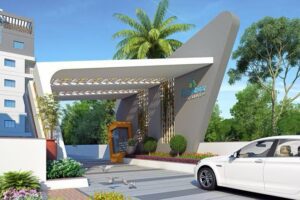


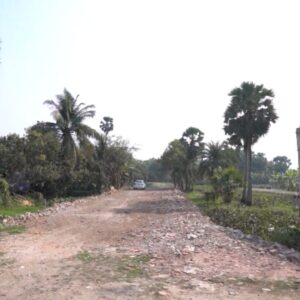
After covering what to check, here is detailed, well‑organized information about Nature’s Paradise, a township project by Rupbasuda Developers, to help you evaluate whether it meets those criteria and whether it might be a good option for you or others.
Project Overview
| Feature | Details |
| Project Name | Nature’s Paradise |
| Developer | Rupbasuda Developers |
| Location | Khariberia, Bhasa, Joka, Kolkata |
| Highway / Road | Along Diamond Harbour Road, National Highway 117 |
| Distance from Joka Metro | Approx 2.6 km |
| Time from Swaminarayan Temple | About 7 minutes |
| Nearby Landmark | Beside Palm Village Resort |
Plot Size, Type & Pricing
| Parameter | Details |
| Spread of Project | ~ 350 bighas of land area |
| Minimum Plot Size | 2 katha minimum purchase |
| Other Sizes Available | 3 katha, 5 katha, and more; no fixed maximum limit specified |
| Types of Plots | Premium & non‑premium; Residential & Commercial |
| Price Range | ₹1,30,000 (1 lakh 30 thousand rupees) up to ₹4,00,000 (4 lakh rupees) depending on plot size, location, type etc. |
Amenities & Infrastructure
| Amenity / Infrastructure | Present or Planned |
| Plot Status | Ready to move plots – so basic land preparation is done |
| Roads | Internal by‑roads of 25 ft & 20 ft; the approach roads being/will be four‑lane |
| Water supply | 24×7 water supply planned / provided |
| Electricity | Electricity connection available / planned |
| Drainage / Sewage | Proper drainage system in place or planned |
| Community & Recreational Facilities | Gymnasium, Clubhouse, Lake, Kindergarten School, Saraswati Temple |
| Transport | 24×7 transportation; metro station planned by end of 2028; nearby railway station etc. |
| Nearby Essential Facilities | Hospitals, Vegetable Market, Shopping Malls, Schools, Colleges just minutes away |
Location Advantages & Growth Potential
- Close proximity (2.6 km) to Joka Metro adds value and future ease of commute.
- Diamond Harbour Road (NH‑117) is a major route; improved highways/roads often lead to value appreciation.
- Many well‑known apartment projects in the vicinity (Emami Astha, Godrej Seven Elevate, Gems Bouganvilla, DTC Sojan, Eden Amantran, Solaris, Rajat by Avante etc.), often priced in crores, which suggests the area is already drawing premium development.
Payment & Booking Terms
| Parameter | Details |
| Booking Token Amount | ₹11,000 required as token booking amount |
| Payment Options | 36 months 0% interest EMI available |
| Developer / Agent | Dedicated Real Estate, with office near Thakurpukur 3A Bus Stand, Kolkata |
Potential Pros & Things to Check
Pros:
- Affordable entry point for middle class — both residential and commercial plots in the stated price range.
- Ready to move status reduces waiting time; some infrastructure already in place.
- Strong potential for appreciation because of upcoming metro, highway road works, location.
- Amenities are planned; community features suggest a self‑contained township rather than isolated plots.
Things you should still verify (using the checklist above):
- Confirm zoning status and whether NA conversion (if needed) has been done.
- Check encumbrance certificate to ensure clear title.
- Ensure all NOCs, permissions, layout plan approvals are legal and in order.
- Physical ground check: slope, drainage, whether land is flood‑prone.
- Exact road access: condition of roads, whether approach to your plot is via public road.
- Surrounding environment: whether neighbouring plots are being developed, quality, types of constructions.
- Utility access and readiness: water, electricity, sewage.
- Confirm any government notifications/plans that may require surrendering land or affect use.
Why This Might Be The Best Time to Buy
- With metro station planned by end of 2028, road improvements, and area being developed, plots may gain significant capital appreciation.
- Since many high‑end projects in the area are already valued in crores, a plot bought now at a few lakh rupees can deliver large value growth in coming years.
- Entry‑level price and flexible payment (0% EMI over 36 months) reduces the financial burden and risk.
How to Proceed (if Interested)
- Arrange a site visit to Nature’s Paradise. Survey multiple plots; compare premium vs non‑premium.
- Bring along a legal expert to verify documents.
- Ask developer / Dedicated Real Estate for copies of title deed, NA conversion (if applicable), EC, layout plan, approved plan, NOCs etc.
- Check the condition of internal roads, availability of utilities.
- Discuss payment schedule, any additional charges.
Contact Details
Dedicated Real Estate
- Phone: +91 6291422636
- Email: info@dedicatedrealestate.in
- Website: www.dedicatedrealestate.in
Office Location: Near Thakurpukur 3A Bus Stand, Kolkata