
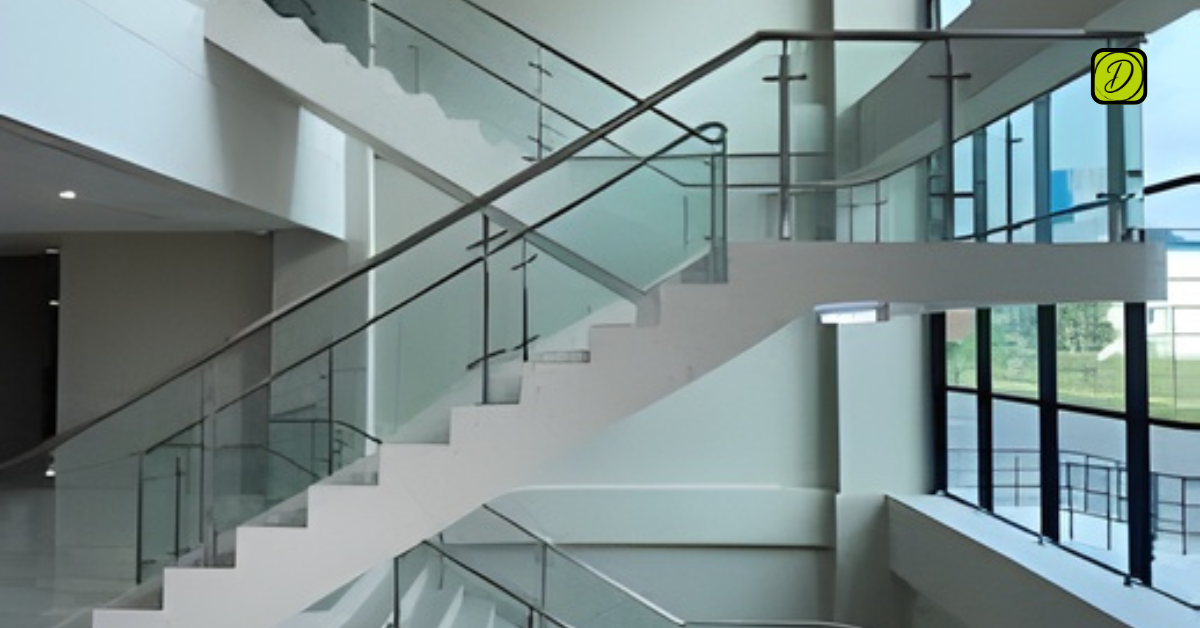
A strong and well-designed Concrete Staircase is one of the most essential structural features in any building, whether residential, commercial, or industrial. In modern construction, especially managed by trusted companies like Dedicated Real Estate, staircases serve both functional and aesthetic purposes. Concrete steps offer unmatched durability, reliability, and structural stability, making them a popular choice in homes, apartments, villas, offices, and public buildings.
The beauty of a concrete staircase lies in its strength, resistance to wear, and ability to withstand heavy foot traffic and harsh environmental conditions. This comprehensive guide will walk you through everything you need to know about building strong concrete steps—from planning and design to reinforcement, finishing, curing, and long-term maintenance.
What Is a Concrete Staircase?
A concrete staircase is a set of steps constructed using reinforced or plain concrete. It can be cast in-situ (on-site) or precast, depending on the project requirements. Concrete staircases are chosen for their strength, fire resistance, longevity, and structural stability. They can be finished with tiles, stone, wood, laminate, paint, or left exposed for a modern industrial look.
Why Concrete Steps Are Preferred in Modern Construction
Concrete stairs offer a range of advantages, including:
Exceptional load-bearing capacity
Long-term durability
Resistance to fire, moisture, and pests
Versatile design options
Minimal maintenance
Suitable for indoor and outdoor use
For builders and homeowners looking for reliable long-lasting structural solutions, concrete staircases provide the ideal foundation.
Types of Concrete Staircases
Before learning how to build a concrete staircase, it’s important to understand the major design types.
Straight Concrete Staircase
The simplest and most common form. Ideal for homes, commercial buildings, and industrial structures.
Advantages
Easy to construct
Minimal formwork complexity
Fast installation
L-Shaped Concrete Staircase
Features a bend or landing at 90 degrees.
Benefits
Visually appealing
Saves space
Offers better privacy
U-Shaped Concrete Staircase
Also known as a half-turn staircase, consisting of two flights parallel to each other.
Advantages
Great for compact spaces
Provides a landing for safety
Comfortable climbing experience
Spiral Concrete Staircase (Reinforced)
A circular staircase ideal for tight areas or aesthetic focal points.
Benefits
Space-saving
Elegant appearance
Works well for outdoor gardens or rooftops
Cantilevered Concrete Staircase
Appears to “float” from the wall using hidden reinforcement.
Features
Modern, stylish
Needs strong structural support
Concrete Staircase Design Considerations
Building a structurally sound staircase requires careful planning and engineering.
1. Step Dimensions (Rise and Tread)
Correct step proportions ensure safety and comfort.
Optimal rise (height): 150–180 mm
Ideal tread (depth): 260–300 mm
Step width: 900–1200 mm for residential stairs
2. Staircase Slope
The slope must be gentle enough for easy climbing, typically 25–40 degrees.
3. Load-Bearing Requirements
Concrete staircases must be engineered to support:
Human traffic load
Live loads
Dead loads
Additional finishes or railings
4. Reinforcement Detailing
Steel bars (rebars) are essential to prevent cracks and structural failures.
5. Safety Standards and Codes
Construction should follow:
Local building codes
Fire regulations
Accessibility guidelines
Materials Needed for a Concrete Staircase
To create strong concrete steps, gather high-quality materials:
Cement (OPC 43/53 grade)
Fine and coarse aggregates
Water (clean and potable)
Steel reinforcement bars
Formwork (plywood, timber, steel)
Concrete reinforcement mesh
Binding wire
Finishing materials (tiles, stone, paint, polish)
Tools & Equipment Required
Shovels
Trowels
Leveling tools
Vibrators
Mixing machine
Measuring tape
Power tools (if necessary)
Step-by-Step Guide: How to Build a Strong Concrete Staircase
1. Detailed Planning and Measurement
Accurate measurements ensure safety, comfort, and structural precision.
Key Planning Steps
Determine staircase height
Decide rotational design (straight, L-shaped, etc.)
Calculate number of steps
Finalize rise–tread ratio
2. Formwork Construction
Formwork is the temporary mold into which concrete is poured.
Formwork Requirements
Should be rigid and leak-proof
Must support the weight of wet concrete
Set according to exact design dimensions
Proper formwork determines final step quality and accuracy.
3. Reinforcement Placement
Steel bars enhance durability and prevent cracking.
Reinforcement Guidelines
Provide main bars at the bottom of the slab
Add distribution bars at 90 degrees
Use support chairs and spacers
Tie rebars securely with wire
4. Concrete Mixing
Concrete strength depends on the right mix ratio.
Recommended Mix
M20 or M25 grade for residential stairs
Use standard proportion or ready-mix concrete
Additives like plasticizers can improve workability.
5. Concrete Pouring Process
Step-by-step pouring ensures strong bonding.
Pouring Tips
Start from the lowest step
Use vibrators to remove air pockets
Maintain consistent leveling
Avoid cold joints
6. Finishing the Concrete Staircase
Once the concrete is poured, surface finishing shapes the final appearance.
Finishing Options
Steel trowel smooth finish
Anti-skid texture
Stone cladding
Tile installation
Exposed concrete look
7. Curing the Concrete
Curing is essential to achieving high strength.
Curing Guidelines
Keep stairs moist for 7–14 days
Cover with jute bags or curing sheets
Prevent cracks due to heat or dehydration
8. Installing Railings and Handrails
Railings enhance safety and aesthetics.
Railing Material Options
Steel
Glass
Wood
Aluminum
Concrete sidewalls
Choose railing designs based on theme and safety needs.
Advantages of a Concrete Staircase
Extreme durability
Fire resistance
Easy maintenance
Supports heavy load
Flexible design choices
Weather resistance (ideal for outdoors)
Long-term cost efficiency
Common Mistakes to Avoid When Building Concrete Steps
Incorrect rise and tread ratio
Poor reinforcement layout
Weak formwork structure
Not using vibration tools
Poor curing practices
Overloading before curing period
Using substandard materials
Avoiding these errors ensures a problem-free staircase.
Design Ideas for Concrete Staircases
Modern home designs offer endless possibilities.
Minimalist Floating Steps
Perfect for living rooms and hallways.
Industrial Raw Concrete Look
Ideal for lofts and commercial spaces.
Stone-Clad Concrete Steps
Adds luxury to indoor and outdoor staircases.
Concrete Steps with LED Lighting
Enhances beauty and safety at night.
Outdoor Garden Concrete Steps
Durable and visually appealing landscape features.
Maintenance Tips for Long-Lasting Concrete Steps
Inspect for cracks annually
Seal surfaces to prevent moisture penetration
Ensure proper drainage around outdoor steps
Keep railings secure
Remove algae or moss from outdoor stairs
Repair minor cracks immediately
Safety Considerations for Concrete Staircases
Ensure anti-slip surfaces
Maintain uniform step height
Keep lighting adequate
Use child-safe railings where needed
Ensure code compliance
Frequently Asked Questions
1. How long does a concrete staircase last?
A well-built and well-maintained staircase can last over 50 years.
2. Can concrete steps crack easily?
Cracks occur if reinforcement, curing, or materials are inadequate.
3. Which finish is best for concrete stairs?
Anti-skid finishes and stone cladding are most durable.
4. Are concrete staircases suitable for outdoors?
Yes, they are weather-resistant and long-lasting.
Conclusion
Building a durable, stable, and aesthetically appealing concrete staircase requires careful planning, quality materials, and proper construction techniques. From reinforcement and formwork to curing and finishing, every step plays an essential role in the staircase’s longevity and performance. Whether you’re constructing a straight stairway, an L-shaped flight, or a modern cantilevered design, the principles remain the same—prioritize strength, safety, and detailed craftsmanship.
For professional guidance, expert construction services, and premium real estate solutions, connect with Dedicated Real Estate, Kolkata’s number one real estate company. Their experience ensures well-planned structural elements, including durable concrete staircases, in every project.

Contact Details
Dedicated Real Estate
- Phone: +91 6291422636
- Email: info@dedicatedrealestate.in
- Website: www.dedicatedrealestate.in
Office Location: Near Thakurpukur 3A Bus Stand, Kolkata