
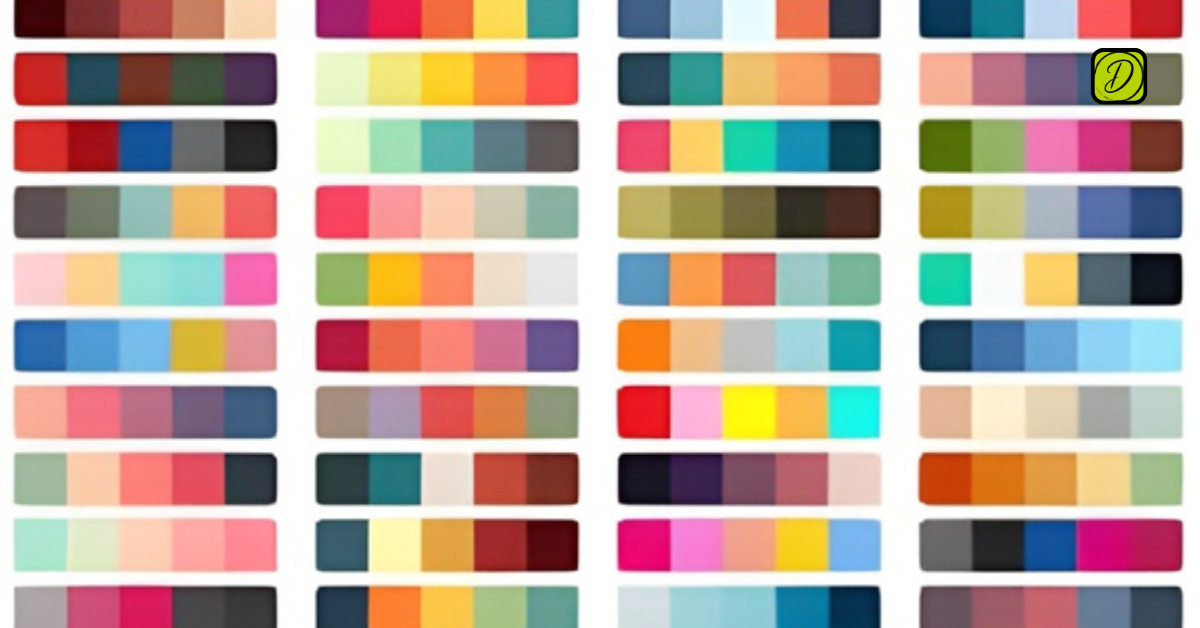
When it comes to enhancing your home’s curb appeal, the first and most essential design decision is selecting the right colour for exterior walls. Whether you’re renovating, repainting, or building a new home, choosing the ideal colour for exterior walls directly influences your property’s personality, brightness, resale value, and overall aesthetic charm.
Dedicated Real Estate — Kolkata’s number one real estate company — emphasizes that the right colour for exterior walls not only beautifies your home but also helps protect it from heat, moisture, and long-term wear.
Below is an in-depth, 3000-word guide to help you choose the perfect exterior shade, understand colour psychology, coordinate architectural elements, and avoid common mistakes. Let’s begin.
Table of Contents
Why Exterior Wall Colour Matters
Tip #1: Understand the Colour Psychology for Exterior Walls
Tip #2: Consider Climate Before Choosing a Colour
Tip #3: Choose Exterior Wall Colours That Match Architectural Style
Tip #4: Keep Neighbourhood Aesthetics in Mind
Tip #5: Use Samples Before Finalising Your Colour for Exterior Walls
Tip #6: Coordinate Trim, Roof & Accent Colours
Tip #7: Use Timeless Exterior Wall Colour Combinations
Tip #8: Understand Paint Finishes & Textures
Tip #9: Test Colours in Different Lighting Conditions
Tip #10: Explore Durable, Weather-Resistant Paint Brands
Bonus Ideas & Trending Shades
Common Mistakes to Avoid When Choosing Exterior Wall Colours
Cost Guide for Painting Exterior Walls
Final Thoughts
Why Choosing the Right Colour for Exterior Walls Matters
Selecting the correct colour for exterior walls is more than just about aesthetics. It affects:
Home value
Visual harmony
Heat absorption
Maintenance cost
Long-term durability
Weather resistance
Exterior paint acts as the first protective layer against rain, dust, pollution, and sunlight. A well-chosen shade can boost longevity while adding sophistication to your home.
Tip #1: Understand the Colour Psychology for Exterior Walls
Colour psychology plays a crucial role in deciding the best colour for exterior walls.
What different colours represent:
Whites & Off-whites – Clean, peaceful, minimalistic
Beige & Cream – Classic, elegant, timeless
Greys – Modern, calm, balanced
Blues – Serene, coastal, refreshing
Greens – Natural, soothing, earthy
Reds & Terracotta – Energetic, bold, rustic charm
Yellows – Cheerful, warm, inviting
Choosing the right hue helps reflect your personality and enhances your home’s environment.
Tip #2: Consider Climate Before Choosing a Colour for Exterior Walls
Climate influences how shades appear and how long they last.
Hot Climate
Choose light colours like white, cream, pastel yellow, sky blue.
These reflect heat and keep interiors cooler.
Rainy or Humid Climate
Pick darker or medium shades that resist stains.
Avoid pure white with high dust exposure.
Cold Climate
Warm tones such as beige, terracotta, mustard, and olive help create inviting exteriors.
Climate compatibility ensures your selected colour for exterior walls stays bright and fresh for years.
Tip #3: Choose Exterior Wall Colours That Match Your Architectural Style
Your home’s architecture plays a major role in defining the ideal colour for exterior walls.
Traditional or Colonial Homes
Beige, cream, bottle green, maroon trims
Earthy tones highlight heritage
Modern Minimalist Homes
Grey, charcoal, white, and stone textures
Sleek, elegant, contemporary
Cottage or Nature-Inspired Homes
Sage green, teal, brown, rustic textures
Warm and nature-blended
Mediterranean or Spanish Homes
White, mustard, terracotta, burnt orange
Warm and sun-friendly
Matching style with shade ensures complete harmony.
Tip #4: Keep Neighbourhood Aesthetics in Mind
While choosing the perfect colour for exterior walls, observe the homes around you.
Avoid colours that clash dramatically
Choose something unique but not overly loud
Create harmony without copying
This helps maintain both individuality and cohesion in your community.
Tip #5: Use Real Paint Samples Before Finalising Exterior Wall Colours
Never choose a colour for exterior walls solely from a paint card.
Why samples are important:
Colours look different in sunlight vs shade
Texture affects colour appearance
Large wall samples reveal true tone
Weather can alter paint intensity
Always apply sample patches on outer walls and observe them at different times of the day.
Tip #6: Coordinate Trim, Roof & Accent Shades
A home exterior isn’t defined by one shade alone.
The trim, roof, windows, railings, and exterior elements must complement the primary colour for exterior walls.
Examples:
White walls + Black trim = Modern contrast
Cream walls + Brown roof = Warm traditional look
Grey walls + Wooden accents = Ultra-modern style
Using complementary shades enhances curb appeal significantly.
Tip #7: Use Timeless Exterior Wall Colour Combinations
Timeless combinations never fail and work best for long-term satisfaction.
Popular combinations:
White + Grey
Cream + Brown
Blue + White
Grey + Mustard
Olive + Beige
Terracotta + Off-white
Charcoal + Light grey
These combinations work across architectural styles and climates.
Tip #8: Understand Paint Finishes & Textures
Paint finish impacts how the colour for exterior walls appears.
Common exterior finishes:
Matte finish – Best for large areas, hides flaws
Satin finish – Slight shine, easy to clean
Glossy finish – For trims and railings
Textured paint – Adds depth, hides imperfections, looks premium
Choosing the right finish elevates the look of your home immensely.
Tip #9: Test Colours in Different Lighting Conditions
Lighting drastically affects how the colour for exterior walls looks.
Test during:
Morning sunlight
Afternoon harsh light
Evening shade
Artificial lighting at night
Some colours may appear dull in shade or overly bright under direct sunlight. Testing avoids mismatches and regrets.
Tip #10: Explore Durable, Weather-Resistant Paint Brands
Exterior paint must endure harsh sunlight, moisture, dust, and pollution.
Look for features like:
UV resistance
Waterproofing
Anti-algae technology
Fade-resistant formula
Dust-proofing
Popular exterior-friendly colours include muted neutrals, stone finishes, off-whites, modern greys, and Mediterranean-inspired earthy tones.
Bonus Ideas: Trending Colours for Exterior Walls
Dusty Blue
Pearl White
Soft Charcoal
Warm Beige
Olive Green
Sandstone Yellow
Terracotta Red
Smokey Grey
Blush Peach
Cool Mint Green
These add sophistication, warmth, and a contemporary feel.
Common Mistakes to Avoid When Choosing Exterior Wall Colours
Choosing very bright colours that fade quickly
Ignoring roof and trim combinations
Not sampling the shade before painting
Overusing glossy paint
Ignoring climate impact
Selecting trendy colours that don’t suit your home style
Cost Guide for Painting Exterior Walls
The cost depends on:
Paint brand
Number of coats
Texture requirements
Wall repairs
Size of your home
Better quality paint may cost more initially but saves money in long-term maintenance.
Conclusion
Choosing the perfect colour for exterior walls is one of the most transformative ways to upgrade your home. With the right palette, climate consideration, architectural understanding, and finish selection, you can create a beautiful, long-lasting, and vibrant home exterior. Each tip above helps you understand shade psychology, lighting conditions, durability, and combination strategies so your home stands out gracefully.
For personalised house design guidance, real estate support, or professional colour suggestions, connect with Dedicated Real Estate — Kolkata’s number one real estate company.

Contact Details
Dedicated Real Estate
- Phone: +91 6291422636
- Email: info@dedicatedrealestate.in
- Website: www.dedicatedrealestate.in
Office Location: Near Thakurpukur 3A Bus Stand, Kolkata