
Buying land is a major investment. In Kolkata (and its outskirts), unique geographical, climatic, and infrastructural factors make flood risk and soil drainage especially important. If you don’t check properly, what seems like a good deal can turn into a liability after one monsoon season or unusually heavy rain. This guide helps you evaluate drainage and flood risk specifically in the Kolkata region, what to look for, how to test, and how to protect your purchase.
Why Soil Drainage & Flood Risk Matter in Kolkata
Monsoon, Rainfall, High Tides and River Behavior
Kolkata has a long monsoon season (usually June to September) when heavy rainfall is frequent. Flooding often results not only from the volume of rain but from high tides in the Hooghly river which can back up drainage systems.
Also, some canals or outfall channels that drain rainwater into rivers or wetlands get blocked, silted, or encroached upon, reducing capacity.
Soil & Topography
Much of Kolkata is built on alluvial soils deposited by rivers. These soils vary: some are clayey and compact, others more sandy, silty or mixed. Clayey/alluvial clay soil tends to have lower permeability, meaning water infiltration is slow.
The city’s natural slope is from west toward east. Yet large parts have little elevation change, so water may stagnate especially in low‑lying zones.
Infrastructural Challenges & Drainage Network Issues
Many drainage canals and natural drains (khals, streams) have been encroached, silted or choked with waste. This diminishes their effective capacity.
Underground drain / sewer pipes in many parts are old, undersized or poorly maintained. Pumps may be weak or non‑functional during peak load.
Ecological Features – Wetlands & Natural Buffers
East Kolkata Wetlands is a natural sponge for part of the city; wetlands absorb flood‑waters and help drainage. Loss of wetlands increases flood risk.
Vegetation, green open spaces reduce run‑off, improve soil infiltration. Paved surfaces, buildings, roads reduce it.
Key Red Flags To Look for When Buying Land
Before buying land in Kolkata (or nearby), check for the following warning signs:
History of Flooding / Waterlogging
Talk to neighbours / local residents: Has the area ever been flooded in recent rains? How long does water stay after rain stops?
Check local newspapers / metro corporation / KMC records for waterlogging trouble spots.
Proximity to Water Bodies & Wetlands
Is the plot near canals, khals, rivers, wetlands (e.g. parts of East Kolkata Wetlands)?
Are those water bodies encroached, silted or altered? If upstream drainage has been modified, water flow may have changed.
Lower Elevation, Poor Slope & Level Differences
Is the land in a depression, or lower than neighbouring roads / plots? Water tends to flow downhill, collect in low areas.
Does the plot have a slope that lets water drain away? If flat but surrounded by higher land, water can flow in and stay.
Soil Type and Permeability
Clayey soil vs sandy soil: clay is slower to drain, may remain soggy.
Test infiltration rate (see later).
Drainage Infrastructure Nearby
Are there adequate drains (surface / streets / gutters) near the plot?
Are outfall canals / drains functional, clear, properly sloped?
Legal & Zoning Issues
Is the land zoned for development? Some zones may be marked as flood plains or wetlands.
Are there restrictions on filling, building elevation, or on modifying natural water flow?
How to Assess Soil Drainage & Flood Risk Before Purchase
Here are methods you can use, combining visual inspection, technical testing, and due diligence.
Visual / On‑Site Inspection
Observe after heavy rain: Visit the site shortly after rainfall. Is there standing water? How long does it stay?
Check for signs of water damage: damp patches on neighbouring walls, water stains, mould etc.
Soil Testing
Percolation test (Infiltration test): Dig a hole (about 30‑50 cm deep), fill with water, measure how long it takes to drain. Faster drainage means more permeable soil.
Soil sample: Take sample to lab to test clay/silt/sand content. Clay content above certain percentage implies slower drainage.
Topographical Survey
Use levels or surveying tools to understand slope, gradient, micro‑elevations. Even small gradients matter.
Use satellite mapping / GIS tools (topo maps) to see catchment areas, natural drainage lines.
Flood Zone & Historical Data
Check municipal maps, flood zone maps (by KMC, KMDA, Irrigation Dept.).
Historical rainfall data, tide maps for Hooghly river.
Check flood risk from sea/tidal ingress if plot is toward southern/southeastern outskirts.
Infrastructure & Drainage Capacity Check
Are there drainage pumping stations nearby? What is their capacity? Are they regularly maintained?
Are nearby canals or khals desilted, free of blockages?
What is the condition of stormwater drains, gutters in surrounding area?
Legal / Regulatory Check
Get land use & zoning documents.
Is the plot part of any wetland area? If yes, it may be legally protected, may be in flood zone, may have restrictions.
Check title deed for past history of flood or compensation records.
Specific Kolkata Considerations
These are local to Kolkata / its metropolitan region, which buyers often overlook.
Kolkata’s Wetlands and Buffer Zones
East Kolkata Wetlands act as natural flood buffer. If land is nearby, destruction or encroachment of wetlands upstream can worsen local drainage.
Encroachment of canals or natural drains (khals) is common. This increases flood risk for plots that rely on these channels for drainage.
Tidal Influence & Hooghly River
Low‑lying areas near Hooghly may get backflow during high tides, which can make drainage outlets ineffective.
Land closer to river and low elevation needs higher design (elevated foundations, raised base floors) or flood‑proofing.
Aging Drainage Infrastructure in Kolkata
Some canals / drains have lost capacity due to siltation, waste, encroachment.
Many pumping stations are old or less efficient. Regular maintenance / upgrading is uneven.
Urbanisation & Landfill / Fill Material
Many areas were earlier marshland or paddy field; land is sometimes filled with soil, rubble etc. Quality of fill matters (type of fill, compaction) because poorly compacted fill can settle, allow water ponding.
Build‑up over time (concrete surfaces, garages, driveways etc.) reduce pervious permeable surface area, increasing run‑off.
Steps to Mitigate Risk & Design for Resilience
Even after you’ve checked everything, you may want to take steps in plan/design to reduce future flood / drainage issues.
Elevation / Grading
Design site grading so that land and surface water slope away from buildings.
Raise building plinths (base floor) above expected water level (plus safety margin).
Drainage Design On‑Site
Include swales, French drains, infiltration trenches to channel and disperse stormwater.
Use permeable paving for driveways / walkways (interlocking pavers, gravel) where possible to allow infiltration.
Rainwater Harvesting & Retention
Build rainwater harvesting systems: collect and store rainwater, reduce flow during heavy showers.
Small retention ponds or basins on larger plots can act as buffer to slow runoff.
Using Vegetation & Landscaping Strategically
Maintain trees, shrubs, grass cover to improve infiltration.
Plant deep‑root species that help soil structure, reduce compaction.
Regular Maintenance & Monitoring
Clean drains and gutters; ensure site drains are functional.
Monitor seasonal changes: if observation shows waterlogging worsening, act.
Legal Safeguards & Insurance
Include clauses in the agreement/purchase deed about flood/damage risk compensation or seller disclosure.
Check if flood insurance is available / advisable.
Case Example – Buying Land in Behala / EM Bypass Areas
Let’s illustrate with what’s happening in certain areas of Kolkata to see practical lessons.
Drainage Overhaul Projects & What They Reveal
The Kolkata Municipal Corporation (KMC) recently allocated ₹2,100 crore over 7 years to improve drainage infrastructure in Behala, Joka and areas off the EM Bypass. These include laying underground sewer lines and building major drainage pumping stations.
These are regions which earlier suffered severe waterlogging during monsoon due to inadequate drainage networks and non‑sewered areas.
Waterlogging Patterns in Newly Developed Areas
In areas off EM Bypass (Madurdaha, Nayabad etc.), rapid urban development has outpaced drainage improvements. Roads, housing clusters, commercial buildings often built before full drainage infrastructure in place. Waterlogging risk high unless proper planning enforced.
Improvements & Remaining Challenges
Some underpasses, roads which were chronic flood spots have improved due to desilting, pumping station upgrades, better drain maintenance.
But many older parts of the city still struggle with narrow, old drainage pipes, blocked canals, illegal encroachments.
Checklist for Buyers – Your Actionable Steps
Here’s a checklist summarizing what you should do before finalizing any land purchase in Kolkata.
| Step | What to Check / Do |
|---|---|
| 1. Neighbourhood Visit | Visit after rain; talk to locals about flooding history. |
| 2. Soil Testing | Do infiltration / percolation test; get soil sample analyzed. |
| 3. Topography Survey | Check slope, elevation relative to roads / nearby plots. |
| 4. Check Drainage Infrastructure | Are there nearby drains, canals? What condition are they in? |
| 5. Legal / Regulatory Checks | Zoning, floodplain mapping, wetland status, building permits. |
| 6. Flood/Tide‑Risk Assessment | Proximity to Hooghly, high‑tide potential, sea‑level rise if relevant. |
| 7. Plan Design for Drainage | Incorporate grading, permeable surfaces, vegetation, retention. |
| 8. Maintenance Plan | Who will maintain drains, canals near the site? Is there civic combined responsibility? |
| 9. Budget for Mitigation | Costs for site filling, raising, plinth work, additional drains etc. |
| 10. Insurance & Safeguard Clauses | Include flood/rain damage clauses; check possibilities of insurance. |
Tools & Resources for Kolkata Land Buyers
Some useful resources & tools you can use to double‑check or get data.
Government Maps & Zoning Portals
Kolkata Municipal Corporation (KMC) has maps identifying flood‑prone wards, water bodies etc.
West Bengal government / Irrigation & Waterways Department often publishes reports/maps about canals, drainage network status.
Satellite Imagery & GIS
Use Google Earth / Maps to see if land plot is near water channels, wetlands, or has vegetation vs built surfaces.
Topographic layers / elevation maps can show micro‑slopes.
Local Civil Engineers / Geotechnical Experts
Hire soil testing labs locally.
Engage engineers who understand Kolkata’s monsoon dynamics, local code, historical issues.
Historical Weather Data & Flood Reports
India Meteorological Department (IMD) for rainfall data.
Local news archives / KMC reports for waterlogging incidents.
Cost Implications & Long‑Term Value
Understanding drainage & flood risk isn’t just for safety—it affects cost and property value.
Upfront Costs for Mitigation
Raising site elevation, filling, grading can be expensive.
Building drainage features, pumping or designing for drainage adds to construction cost.
Maintenance Costs
Regular cleaning of drains, checking pumps, desilting canals etc. These must be in budget.
Resale & Value Retention
Buyers often avoid houses in flood‑prone zones. Property value may suffer.
Good drainage, elevation, flood protection can increase appeal and resale value.
Conclusion
Buying land in Kolkata demands more than just seeing a vacant plot and checking legal title. Because of heavy monsoon rains, rising urbanisation, degraded natural drainage, and changes to wetlands and canals, flood risk and soil drainage must be carefully evaluated. If you follow the steps above — site inspection, soil tests, infrastructure review, legal checks, local climate & flood history — and plan properly for mitigation, you can avoid huge trouble later. Your land investment can become safe, durable and truly valuable.
Nature’s Paradise by Rupbasuda Developers — “Ready to Move” Plots

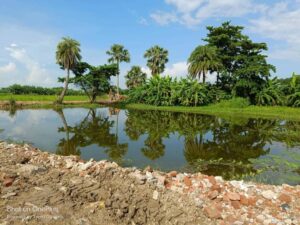

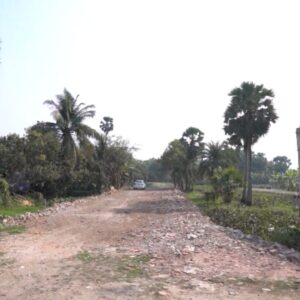
After covering what to check, here is detailed, well‑organized information about Nature’s Paradise, a township project by Rupbasuda Developers, to help you evaluate whether it meets those criteria and whether it might be a good option for you or others.
Project Overview
| Feature | Details |
| Project Name | Nature’s Paradise |
| Developer | Rupbasuda Developers |
| Location | Khariberia, Bhasa, Joka, Kolkata |
| Highway / Road | Along Diamond Harbour Road, National Highway 117 |
| Distance from Joka Metro | Approx 2.6 km |
| Time from Swaminarayan Temple | About 7 minutes |
| Nearby Landmark | Beside Palm Village Resort |
Plot Size, Type & Pricing
| Parameter | Details |
| Spread of Project | ~ 350 bighas of land area |
| Minimum Plot Size | 2 katha minimum purchase |
| Other Sizes Available | 3 katha, 5 katha, and more; no fixed maximum limit specified |
| Types of Plots | Premium & non‑premium; Residential & Commercial |
| Price Range | ₹1,30,000 (1 lakh 30 thousand rupees) up to ₹4,00,000 (4 lakh rupees) depending on plot size, location, type etc. |
Amenities & Infrastructure
| Amenity / Infrastructure | Present or Planned |
| Plot Status | Ready to move plots – so basic land preparation is done |
| Roads | Internal by‑roads of 25 ft & 20 ft; the approach roads being/will be four‑lane |
| Water supply | 24×7 water supply planned / provided |
| Electricity | Electricity connection available / planned |
| Drainage / Sewage | Proper drainage system in place or planned |
| Community & Recreational Facilities | Gymnasium, Clubhouse, Lake, Kindergarten School, Saraswati Temple |
| Transport | 24×7 transportation; metro station planned by end of 2028; nearby railway station etc. |
| Nearby Essential Facilities | Hospitals, Vegetable Market, Shopping Malls, Schools, Colleges just minutes away |
Location Advantages & Growth Potential
- Close proximity (2.6 km) to Joka Metro adds value and future ease of commute.
- Diamond Harbour Road (NH‑117) is a major route; improved highways/roads often lead to value appreciation.
- Many well‑known apartment projects in the vicinity (Emami Astha, Godrej Seven Elevate, Gems Bouganvilla, DTC Sojan, Eden Amantran, Solaris, Rajat by Avante etc.), often priced in crores, which suggests the area is already drawing premium development.
Payment & Booking Terms
| Parameter | Details |
| Booking Token Amount | ₹11,000 required as token booking amount |
| Payment Options | 36 months 0% interest EMI available |
| Developer / Agent | Dedicated Real Estate, with office near Thakurpukur 3A Bus Stand, Kolkata |
Potential Pros & Things to Check
Pros:
- Affordable entry point for middle class — both residential and commercial plots in the stated price range.
- Ready to move status reduces waiting time; some infrastructure already in place.
- Strong potential for appreciation because of upcoming metro, highway road works, location.
- Amenities are planned; community features suggest a self‑contained township rather than isolated plots.
Things you should still verify (using the checklist above):
- Confirm zoning status and whether NA conversion (if needed) has been done.
- Check encumbrance certificate to ensure clear title.
- Ensure all NOCs, permissions, layout plan approvals are legal and in order.
- Physical ground check: slope, drainage, whether land is flood‑prone.
- Exact road access: condition of roads, whether approach to your plot is via public road.
- Surrounding environment: whether neighbouring plots are being developed, quality, types of constructions.
- Utility access and readiness: water, electricity, sewage.
- Confirm any government notifications/plans that may require surrendering land or affect use.
Why This Might Be The Best Time to Buy
- With metro station planned by end of 2028, road improvements, and area being developed, plots may gain significant capital appreciation.
- Since many high‑end projects in the area are already valued in crores, a plot bought now at a few lakh rupees can deliver large value growth in coming years.
- Entry‑level price and flexible payment (0% EMI over 36 months) reduces the financial burden and risk.
How to Proceed (if Interested)
- Arrange a site visit to Nature’s Paradise. Survey multiple plots; compare premium vs non‑premium.
- Bring along a legal expert to verify documents.
- Ask developer / Dedicated Real Estate for copies of title deed, NA conversion (if applicable), EC, layout plan, approved plan, NOCs etc.
- Check the condition of internal roads, availability of utilities.
- Discuss payment schedule, any additional charges.
Contact Details
Dedicated Real Estate
- Phone: +91 6291422636
- Email: info@dedicatedrealestate.in
- Website: www.dedicatedrealestate.in
Office Location: Near Thakurpukur 3A Bus Stand, Kolkata