
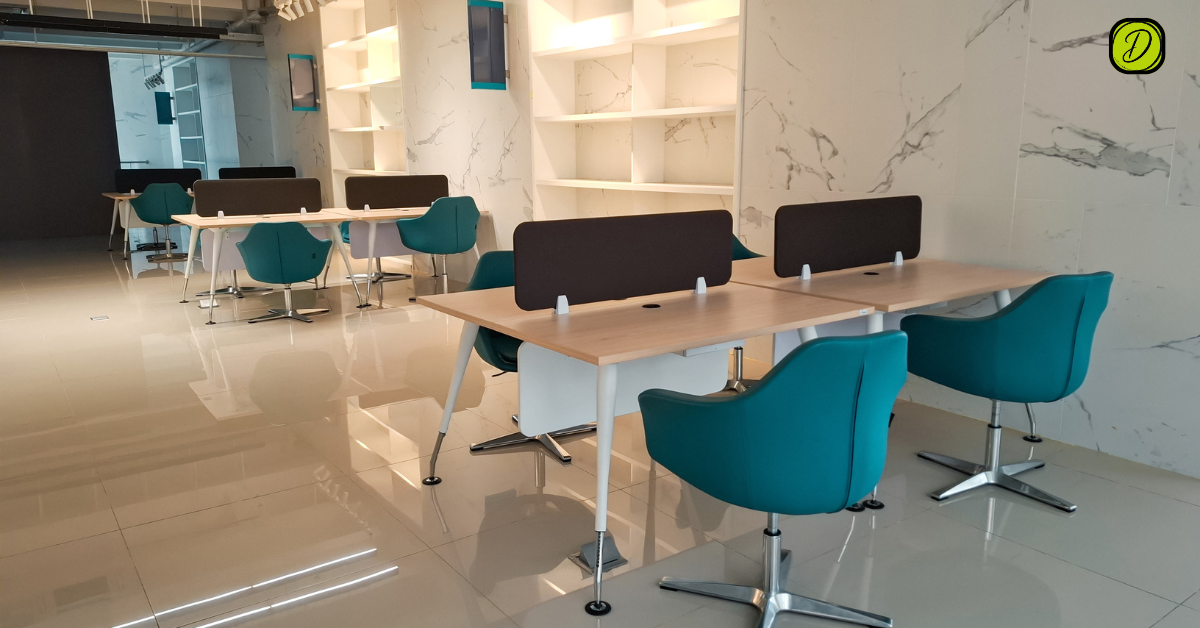
In recent years, Kolkata — historically known for its cultural richness and legacy industries — has steadily emerged as a compelling destination for flexible workspaces and coworking. As firms, freelancers, and startup teams rethink how and where they work, the coworking model has found increasing resonance in the City of Joy. This blog delves deep into the coworking scene in Kolkata: the why, the where, the how much, key players, amenity expectations, opportunities and risks — offering a strategic view for anyone considering coworking in Kolkata.
Why Coworking is Gaining Momentum in Kolkata
Changing Work Dynamics Post Pandemic
The global shift towards remote and hybrid work arrangements has made traditional long‑term office leases less attractive. Companies are seeking agility, cost‑efficiency and flexibility — all of which the coworking format offers. In Kolkata, this dynamic is playing out as more freelancers, startups and SMEs opt for coworking rather than committing to fixed offices.
Infrastructure Improvements & Emerging Business Districts
Kolkata’s office market is undergoing structural change. In a recent industry report, over half of the city’s office stock is now Grade A and 71 % lies in peripheral business districts (PBDs) like Salt Lake Sector V and New Town, marking a shift away from legacy Central Business Districts (CBDs).
For coworking operators, these newer commercial corridors offer modern buildings, improved connectivity, and often lower rents compared to legacy locations — making them well‑suited for flexible workspace models.
Cost‑Effectiveness & Value Proposition
Kolkata remains more affordable than many Tier‑I Indian cities in commercial real estate terms. For businesses looking to optimise cost, coworking offers an attractive model: pay for seats, amenities and flexibility instead of large upfront investments. According to listings, coworking seats in Kolkata may start in modest ranges for hot‑desks, offering strong value compared to traditional leases.
All this makes coworking an appealing proposition for new ventures, satellite teams, remote professionals and growing small‑to‑medium enterprises.
Key Locations & Micro‑Markets for Coworking in Kolkata
Salt Lake Sector V & Bidhannagar
Often dubbed the city’s IT and startup heartland, Salt Lake Sector V hosts major technology firms, business parks and coworking hubs. According to one guide, coworking space in Bidhannagar (which includes Sector V) is popular for startups and enterprises alike, with amenities tailored for flexible work.
For coworking operators this means a ready catchment of tech talent, demand for flexible work‑arrangements, and infrastructure suited to modern office needs.
New Town / Rajarhat Corridor
New Town has emerged as a futuristic commercial zone: modern office parks, IT corridors and strong connectivity (including upcoming metro expansion) make it attractive for coworking.
Operators targeting growth can leverage this zone for larger floor‑plates or newer coworking builds with amenities aligned to newer‑generation workforce expectations.
Park Street / CBD & South Kolkata
While peripheral zones offer scale and cost benefits, central locations like Park Street and key business addresses still matter for businesses seeking prestige, client‑facing access and higher visibility. Coworking spaces in Park Street cater to SMEs, consultants and creative agencies who value location over lowest cost.
South Kolkata is also seeing growth in coworking to serve smaller teams and creative professionals looking for proximity to residential neighbourhoods.
Micro‑Trends and Day‑Pass / Pay‑Per‑Use Options
An interesting trend is the rise of pay‑as‑you‑go and day‑pass coworking options, particularly for freelancers or remote workers. For example, providers like GoFloaters highlight “pay‑per‑use”, “no contract” and ability to work near home in Kolkata.
This micro‑flex model broadens the market beyond full‑time seat rentals, and helps coworking operators fill desks and generate additional revenue streams.
Cost Dynamics & Pricing Benchmarks
Typical Seat Pricing & Trends
Pricing in coworking is influenced by location, amenities, contract terms and seat type (hot desk, dedicated desk, private cabin). According to commentary:
“On average, coworking spaces in Kolkata typically start from INR 7,000 per seat per month for basic hot desk setups. If you’re looking for dedicated desks or private cabins, prices go up based on the amenities, location, and the space’s brand reputation.”
Other sources list starting price for premium coworking in Park Street at around INR 9,000 per month for a dedicated desk.
Contract Flexibility & Hidden Costs
One advantage of coworking is shorter commitments (monthly vs long‑term leases), but buyers should still scrutinise terms: access hours, meeting‑room credits, printing/IT charges, parking, security deposit, lock‑in or cancellation fees. Some pay‑per‑day or hour models may omit hidden fees but will carry a premium rate. For example, one space lists daily usage from INR 100/hour or INR 600/day for open seating.
Value Drivers & Differentiators
What makes one coworking offering “better” than another? Key differentiators include:
Built environment & quality of fit‑out (modern vs legacy)
Technology infrastructure (high‑speed internet, generator backup, meeting‑room A/V)
Community programmes & networking events
Flexibility to scale up/down
Additional services (virtual‑office, mailing address, business support)
In Kolkata’s growing coworking market, operators who can package these features while retaining cost‑competitiveness tend to win.
Key Players & Business Models
Major National / Pan‑India Operators
While local independent operators are active, larger national coworking brands are expanding in Kolkata — bringing standardised operations, brand recognition and institutional backing. This enables them to offer more premium amenities and manage risk across portfolios. For instance, the growth of managed‑office providers leasing large blocks across cities underscores the scale of the flexible workspace trend.
For users, brand‑name operators may offer more consistent service but also higher cost.
Local Independents & Niche Models
In Kolkata you’ll also find smaller operators focused on niche segments: freelancers, creative teams, boutique coworking with lifestyle‑oriented spaces, or day‑pass models targeted at remote workers. For example, ComfortSpace describes itself as a community‑oriented coworking venue with creative ambience and flexible private offices.
Such operators can differentiate by location (urban neighbourhoods), pricing (more affordable), and community feel — important for startups or indie professionals.
Hybrid & Enterprise‑Focused Models
Beyond freelancer startups, coworking is now used by enterprises as satellite offices or flex‑space extensions of HQs. For these users, the value lies in quick move‑in, scalable seating and plug‑and‑play amenities. In Kolkata’s office market, the demand from IT/ITES, BFSI and flex‑space users is cited as a driver for growth.
Operators targeting these segments need to offer private cabins, enterprise‑grade IT, meeting/board‑rooms, and flexible contractual terms.
Amenity Expectations & Workspace Experience
Infrastructure Essentials
A modern coworking space in Kolkata must deliver more than just a desk and WiFi. Key infrastructure components include:
High‑speed internet and resilient power backup (important given intermittent regional supply)
Meeting rooms & video‑conferencing facilities
Comfortable workstations, breakout areas, pantry/café services
Locker storage, bike/car parking, easy access (metro/transport connectivity)
For example, one listing at Emami Market Kolkata emphasises features like 24/7 access, WiFi, printing, pantry, bike storage and lift access.
Community & Collaboration Features
Coworking is partly about community: networking events, workshops, peer‑interactions and cross‑pollination of ideas. Spaces that foster collaboration may have curated events, mentoring, startup‑showcases or informal meet‑ups. This “value‑added” dimension distinguishes coworking from mere shared office space.
Flexibility & Scalability
A major draw of coworking is the ability to scale up (or scale down) without large CapEx or long‑term lease risks. Membership plans may allow upgrades/downgrades, month‑to‑month contracts, or pay‑per‑use models. For example, one Kolkata operator explicitly states you can “upgrade or downgrade” your membership as your business grows.
Location and Connectivity
Even the best‑equipped space may struggle if poorly located. Accessibility (public transport, metro, major roadways), proximity to talent pools, and presence of supporting services (cafés, eateries, banks) matter. In Kolkata, coworking spaces in Zones like Salt Lake, New Town and Park Street benefit from these locational advantages.
Strategic Considerations Before Choosing a Coworking Space
Define your Business Needs
Before selecting a coworking space, ask:
What is the size of the team now and projected in 6‑12 months?
Do we need dedicated desks, private cabins, or hot‑desks?
What’s our required access (24/7 vs standard hours)?
Do we need meeting rooms, event space, or client‑facing breakout areas?
Are branding/visibility and location important (for client meetings) or is cost the priority?
Compare Contract Terms & Hidden Costs
Analyse membership terms carefully:
What is the notice period or lock‑in?
Are there penalties for scaling down?
Are utilities, cleaning, security, internet included or extra?
Are meeting rooms/time credits included? What are charges for printing, parking, events?
Is the desk fixed or “floating”? What access hours are offered?
Because flexible workspaces often come with layered pricing, ensure you understand the total cost of occupancy.
Evaluate Fit‑Out Quality & Service Standards
Don’t assume all coworking is equal. Consider:
Ergonomics (desk/chair quality, lighting, HVAC) — important for productivity and health
IT infrastructure: bandwidth, redundancy, data security
Staff support: on‑site reception, facility management, cleaning, event coordination
Community culture: is the space aligned with your business vibe (startup vs enterprise)?
Reviews/testimonials: what do existing users say? Are there noise or a lack of professional ambience issues?
Forecast Growth & Exit Strategy
Coworking membership decisions should factor in growth and possible exit paths:
If you hire fast, can you scale seats easily? Are there larger cabins/floors within the same centre?
If you shrink or pivot, are you locked into long contracts?
What happens if the operator relocates or changes terms?
Are you building brand/physical presence or just using space for a transitional period?
Location vs Cost Trade‑Off
A prime address (Park Street, CBD) may elevate your brand but cost more. A peripheral business district (PBD) like New Town may be more affordable but may sacrifice visibility or travel convenience. Assess your priority: brand‑image/clients vs cost/efficiency.
Opportunities & Risks in Kolkata’s Coworking Market
Opportunities
Growing Start‑up Ecosystem: With national focus on startups and regional engines like the Bengal Silicon Valley Tech Hub (in New Town) gaining traction, coworking demand is poised to rise.
Hybrid Work Model Shift: More companies adopting hybrid/remote work mean flexible seating becomes a strategic asset rather than a cost.
Cost‑Arbitrage Advantage: For companies from high‑cost cities (Mumbai, Bengaluru) relocating or opening operations in Kolkata, coworking offers a cost‑effective entry.
Under‑penetrated Market: Compared with Mumbai/Bengaluru, Kolkata still has room for growth in flexible workspace penetration.
Emerging Micro‑Segments: Day‑pass users, remote professionals, freelancers and decentralised teams provide additional demand beyond traditional startups.
Risks & Challenges
Quality & Service Variation: Not all coworking operators deliver consistently; inferior fit‑out, connectivity or service can undercut user experience.
Potential Over‑Supply: As more operators enter the market, there is risk of desk oversupply, discounting, and margin pressure.
Contractual Complexity: Hidden costs, cumbersome membership conditions or lock‑in may undermine flexibility.
Changing Tenant Needs: If an operator fails to upgrade amenities, or coworking demand stalls, users may migrate or seek alternative formats.
Economic / Macro Risks: Slower startup funding, economic slowdown or real‑estate cost escalation could impact demand for flexible space.
In Kolkata’s context, while the backdrop is promising, strategic users must carefully select provider and location rather than assume all coworking is equal.
Case Examples & Use‑Cases in Kolkata
Freelancer & Remote Professional Use
For a freelancer or remote worker based in Kolkata, coworking offers a professional environment without home‑office distractions. Providers like Kolkata Coworking Space (66 Shakespeare Sarani) advertise flexible membership tiers, hourly/daily passes, and month‑to‑month proximity.
Use‑case: A marketing consultant uses a hot‑desk 3 days per week, books a meeting room once per month, and pays only for what is used — significantly more cost‑effective than a 12‑month lease.
Startup Team (5‑20 members)
Imagine a tech startup in Salt Lake Sector V with 12 members. They may choose a dedicated cabin in a coworking centre, gain community interaction, hire quickly without upfront capex, and scale seats as they grow. They value location (near talent), flexible sizing, and ability to step into private cabin when needed.
In this scenario, coworking offers faster move‑in and less risk than a traditional lease which might require 3–5 year commitment.
Satellite Office for Enterprise
A national firm headquartered elsewhere decides to open a regional office in Kolkata but wants agility. They pick a coworking floor in New Town, leverage enterprise‑grade infrastructure, and avoid long term lease obligations. They benefit from plug‑and‑play model, ready meeting rooms, and network expansion.
This model illustrates how coworking in Kolkata is not just for startups but increasingly for established firms seeking flexible footprint.
Future Outlook & Strategic Recommendations
What to Expect in the Next 3‑5 Years
Continued uptick in coworking adoption in Kolkata, especially with improved infrastructure (metro expansions, IT park growth) and expanding startup ecosystem.
Premium coworking locations/brands will gain more traction; cost‑competitive centres in PBDs will continue to attract value‑seeking users.
Day‑pass and hybrid membership models will proliferate, reflecting the evolving nature of work.
Category differentiation: coworking centres will increasingly specialise (startup hubs, enterprise‑ready, industry verticals, creative‑focused) rather than “one size fits all”.
Consolidation: Some smaller operators may struggle, leading to consolidation, partnerships or exit — so users should consider operator stability.
Strategic Tips for Businesses & Professionals
Start with core requirement — define your seat count, growth projection, need for client‑facing space.
Prioritise flexibility — look for providers with upgrade/downgrade options, short notice periods and transparent pricing.
Inspect the space physically — assess lighting, ergonomics, capacity, community vibe, infrastructure.
Ask for trial days or day passes — many spaces offer this; use the opportunity to test location, connectivity, culture.
Compare total cost of occupancy (seat + utilities + extras) vs alternatives (leased office) over your expected horizon.
Location matters — if clients visit, or talent commuting matters, then invest in location. If works remotely, cost may be priority.
Community matters — a good coworking space does more than desks: network events, synergy among members, business referrals.
Exit strategy — have clarity on what happens if you outgrow the space, or need to downsize; avoid hidden long lock‑in.
Brand and image — if your business uses the address publicly, ensure the coworking location aligns with your brand’s image and client expectations.
Conclusion
The coworking space landscape in Kolkata is maturing quickly and presents a compelling strategic alternative to traditional office leasing — particularly for freelancers, startups, SMEs and enterprises looking for flexibility, cost‑efficiency and strong location options. From Salt Lake Sector V to New Town, and from daily‑pass models to enterprise‑ready private cabins, the options are growing both in number and variety.
However, the decision to pick a coworking space should not be taken lightly. As we’ve explored, location, cost, contract terms, operator quality, scalability and community culture all matter significantly. When chosen well, coworking in Kolkata offers an optimal mix of affordability, flexibility and modern work environment. When chosen poorly, you could end up paying for amenities or commitments that don’t meet your needs.
In short: if you’re considering coworking in Kolkata in 2025 and beyond, think strategically. Align your business needs, evaluate the offering, test the space, and pick a provider who allows you to focus on growth — while letting the workspace worry be someone else’s responsibility.
Nature’s Paradise by Rupbasuda Developers — “Ready to Move” Plots
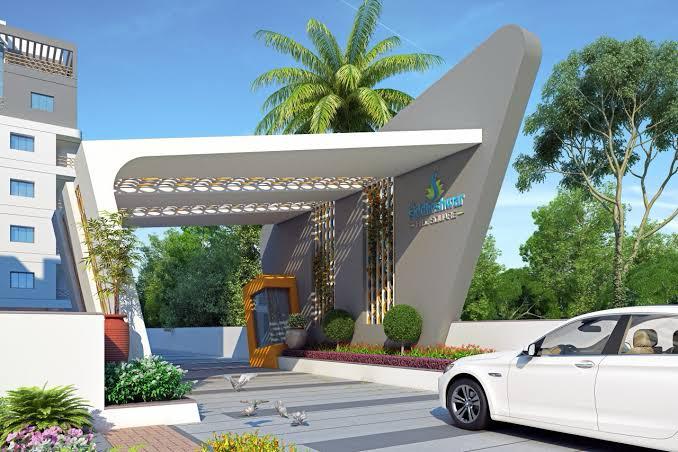


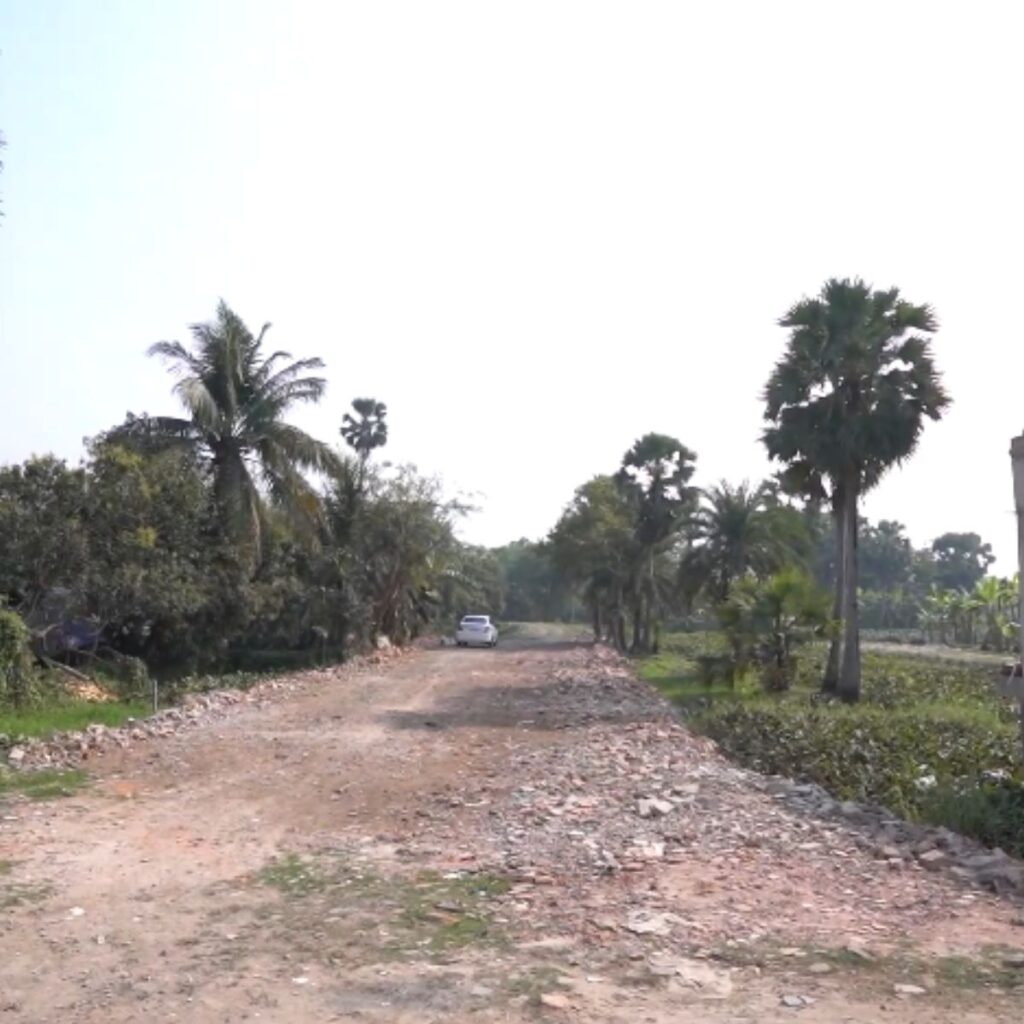
After covering what to check, here is detailed, well‑organized information about Nature’s Paradise, a township project by Rupbasuda Developers, to help you evaluate whether it meets those criteria and whether it might be a good option for you or others.
Project Overview
| Feature | Details |
| Project Name | Nature’s Paradise |
| Developer | Rupbasuda Developers |
| Location | Khariberia, Bhasa, Joka, Kolkata |
| Highway / Road | Along Diamond Harbour Road, National Highway 117 |
| Distance from Joka Metro | Approx 2.6 km |
| Time from Swaminarayan Temple | About 7 minutes |
| Nearby Landmark | Beside Palm Village Resort |
Plot Size, Type & Pricing
| Parameter | Details |
| Spread of Project | ~ 350 bighas of land area |
| Minimum Plot Size | 2 katha minimum purchase |
| Other Sizes Available | 3 katha, 5 katha, and more; no fixed maximum limit specified |
| Types of Plots | Premium & non‑premium; Residential & Commercial |
| Price Range | ₹1,30,000 (1 lakh 30 thousand rupees) up to ₹4,00,000 (4 lakh rupees) depending on plot size, location, type etc. |
Amenities & Infrastructure
| Amenity / Infrastructure | Present or Planned |
| Plot Status | Ready to move plots – so basic land preparation is done |
| Roads | Internal by‑roads of 25 ft & 20 ft; the approach roads being/will be four‑lane |
| Water supply | 24×7 water supply planned / provided |
| Electricity | Electricity connection available / planned |
| Drainage / Sewage | Proper drainage system in place or planned |
| Community & Recreational Facilities | Gymnasium, Clubhouse, Lake, Kindergarten School, Saraswati Temple |
| Transport | 24×7 transportation; metro station planned by end of 2028; nearby railway station etc. |
| Nearby Essential Facilities | Hospitals, Vegetable Market, Shopping Malls, Schools, Colleges just minutes away |
Location Advantages & Growth Potential
- Close proximity (2.6 km) to Joka Metro adds value and future ease of commute.
- Diamond Harbour Road (NH‑117) is a major route; improved highways/roads often lead to value appreciation.
- Many well‑known apartment projects in the vicinity (Emami Astha, Godrej Seven Elevate, Gems Bouganvilla, DTC Sojan, Eden Amantran, Solaris, Rajat by Avante etc.), often priced in crores, which suggests the area is already drawing premium development.
Payment & Booking Terms
| Parameter | Details |
| Booking Token Amount | ₹11,000 required as token booking amount |
| Payment Options | 36 months 0% interest EMI available |
| Developer / Agent | Dedicated Real Estate, with office near Thakurpukur 3A Bus Stand, Kolkata |
Potential Pros & Things to Check
Pros:
- Affordable entry point for middle class — both residential and commercial plots in the stated price range.
- Ready to move status reduces waiting time; some infrastructure already in place.
- Strong potential for appreciation because of upcoming metro, highway road works, location.
- Amenities are planned; community features suggest a self‑contained township rather than isolated plots.
Things you should still verify (using the checklist above):
- Confirm zoning status and whether NA conversion (if needed) has been done.
- Check encumbrance certificate to ensure clear title.
- Ensure all NOCs, permissions, layout plan approvals are legal and in order.
- Physical ground check: slope, drainage, whether land is flood‑prone.
- Exact road access: condition of roads, whether approach to your plot is via public road.
- Surrounding environment: whether neighbouring plots are being developed, quality, types of constructions.
- Utility access and readiness: water, electricity, sewage.
- Confirm any government notifications/plans that may require surrendering land or affect use.
Why This Might Be The Best Time to Buy
- With metro station planned by end of 2028, road improvements, and area being developed, plots may gain significant capital appreciation.
- Since many high‑end projects in the area are already valued in crores, a plot bought now at a few lakh rupees can deliver large value growth in coming years.
- Entry‑level price and flexible payment (0% EMI over 36 months) reduces the financial burden and risk.
How to Proceed (if Interested)
- Arrange a site visit to Nature’s Paradise. Survey multiple plots; compare premium vs non‑premium.
- Bring along a legal expert to verify documents.
- Ask developer / Dedicated Real Estate for copies of title deed, NA conversion (if applicable), EC, layout plan, approved plan, NOCs etc.
- Check the condition of internal roads, availability of utilities.
- Discuss payment schedule, any additional charges.
Contact Details
Dedicated Real Estate
- Phone: +91 6291422636
- Email: info@dedicatedrealestate.in
- Website: www.dedicatedrealestate.in
Office Location: Near Thakurpukur 3A Bus Stand, Kolkata